出口战略

Search documents
日本生鲜果蔬出口受到海外“复制品”冲击
日经中文网· 2025-12-06 00:33
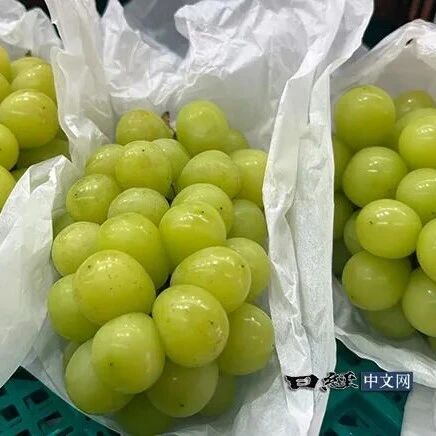
Core Viewpoint - Japanese fresh fruit and vegetable exports, particularly grapes, are experiencing significant declines, with a potential record drop in export value for the year, attributed to increased competition from South Korean and Chinese products and a lack of effective branding strategy to counteract this competition [2][6][8]. Group 1: Export Performance - Japan's fresh fruit and vegetable export value grew only 1% year-on-year from January to October 2025, a sharp decline from a 9% growth in 2024 [2][4]. - The export value of grapes specifically fell by 20% year-on-year, with a 22% decrease in export volume by the end of October [6]. - The overall export value of agricultural and food products reached a record high of 1.4092 trillion yen in 2024, with a 15% year-on-year increase from January to October [2]. Group 2: Competitive Landscape - The market for high-end grapes, such as the Sunshine Rose variety, is facing stiff competition from lower-priced and higher-quality grapes from South Korea and China [4][6]. - The production area for grapes in South Korea and China has been expanding, allowing these countries to compete effectively in markets like Hong Kong and Taiwan, where Japanese grapes previously dominated [8]. - Japanese grapes are struggling to meet the quality and size demands of export markets, exacerbated by domestic climate challenges and inconsistent quality across production regions [8]. Group 3: Historical Context and Challenges - The decline in Japan's grape exports can be traced back to a seedling outflow incident nearly a decade ago, which allowed popular varieties like Sunshine Rose to be cultivated in other countries [6][9]. - The Japanese government has implemented measures to restrict seedling outflow, but protecting intellectual property for already outflowed varieties remains challenging [8][9]. - Experts suggest that Japan needs to improve its agricultural productivity and establish a strong reputation for quality to compete effectively against lower-priced imports [9].