柑橘

Search documents
中蒙最大陆路口岸前两月果蔬出口实现“开门红”
Zhong Guo Xin Wen Wang· 2026-02-27 13:21
Core Insights - The Dalian Port has reported a strong start to the fruit and vegetable exports in the first two months of 2026, with a total of 25,945.8 tons exported, valued at over 65 million RMB [1] Group 1: Export Performance - The Dalian Port, as the largest land port between China and Mongolia, has seen a significant increase in fruit and vegetable exports to Ulaanbaatar, including tomatoes, green peppers, and citrus fruits [1] - The customs clearance process at Dalian Port allows for exports to be completed in the morning, with products reaching Ulaanbaatar's markets by evening [1] Group 2: Market Demand - Mongolian merchants have expressed satisfaction with the quality and size of Chinese fruits and vegetables, indicating strong sales in Ulaanbaatar [1] Group 3: Infrastructure and Logistics - Dalian Port serves as the only entry and exit point for the China-Europe Railway Express "Central Corridor," with currently 75 operational routes [1]
商务预报:2月16日至22日食用农产品价格略有上涨
Shang Wu Bu Wang Zhan· 2026-02-27 07:42
Price Trends in Agricultural Products - The national market price of edible agricultural products increased by 0.5% from February 16 to 22 compared to the previous week [1] - The average wholesale price of 30 types of vegetables rose to 5.60 yuan per kilogram, marking a 1.3% increase, with celery, lettuce, and cabbage seeing increases of 5.7%, 5.0%, and 4.1% respectively [1] - The average wholesale price of 6 types of fruits experienced a slight increase, with citrus, pears, and grapes rising by 1.0%, 1.0%, and 0.7% respectively [1] Price Trends in Aquatic Products - Wholesale prices of aquatic products saw a slight increase, with large hairtail, silver carp, and carp rising by 1.2%, 0.7%, and 0.3% respectively [2] Price Trends in Meat and Grain Products - Wholesale prices of meat showed a slight increase, with pork priced at 18.98 yuan per kilogram, up by 0.5%, while lamb and beef increased by 0.3% and 0.1% respectively [3] - Grain and oil wholesale prices remained stable overall, with soybean oil and rapeseed oil both increasing by 0.1%, while peanut oil and rice remained unchanged, and flour decreased by 0.2% [3] - Poultry product prices remained stable with a slight decrease, as the price of whole chickens remained largely unchanged, while eggs decreased by 0.6% [3]

新春走基层·驻外记者回乡手记丨这座西南小城何以吸引世界目光
Xin Hua Wang· 2026-02-27 02:51
Group 1 - Yibin is transforming its economy from traditional industries like liquor and coal to new engines represented by digital economy and green energy, specifically in the battery industry [6] - The battery industry in Yibin has become a significant sector, with the city hosting major companies like CATL and Kaiyi Auto, contributing to the local economy's upgrade [6] - Yibin is recognized globally for its battery production, with one in ten batteries worldwide produced in the city, highlighting its importance in the global supply chain [6][7] Group 2 - The logistics infrastructure in Yibin has improved significantly, with highways, high-speed rail, and expanded airport routes facilitating the distribution of local agricultural products [4] - The local economy is benefiting from increased visibility and business opportunities, particularly in the new energy vehicle sector, which has seen a surge in demand and investment [6] - The rise of the battery industry in Yibin reflects broader trends in China's economic development, showcasing the integration of inland cities into the global economy [7]


达州渠县柑橘成村民致富“金果果”
Xin Lang Cai Jing· 2026-02-24 19:19
Core Viewpoint - The citrus orchards in Sanban Town, Quxian County, have become popular tourist attractions during the Spring Festival, significantly boosting local income through activities, live streaming sales, and fruit-picking tourism [1]. Group 1: Event Impact - The "Taste Sanban Thousand-Mile Orange Charm" event showcased over 20 varieties of high-quality citrus, enhancing the "Sanban Thousand-Mile Orange" brand [1]. - Interactive games and cultural performances during the event attracted large crowds, transforming the citrus orchards into a vibrant consumer destination [1]. Group 2: Sales Performance - Online sales through live streaming reached over 5000 orders with a total sales volume exceeding 200,000 yuan, with nearly 100,000 viewers participating in the live broadcasts [2]. - The average daily visitor count during the Spring Festival exceeded 120, positively impacting local businesses such as restaurants and specialty shops, creating a synergistic effect in the agricultural sector [2].
在农贸市场邂逅消费活力丨春游记⑥
Sou Hu Cai Jing· 2026-02-23 12:40
Core Viewpoint - The article highlights the vibrant atmosphere of local markets during the Chinese New Year, showcasing the increase in consumer demand and the lively cultural activities that accompany the festive season [3][4]. Group 1: Market Activity - Local markets are bustling with activity, reflecting a strong consumer demand as people prepare for the New Year celebrations [3]. - Fresh supplies of meat, vegetables, and seafood are abundant, indicating a healthy supply chain and consumer interest in traditional festive foods [3]. - The morning hours see particularly high activity in these markets, with various food items being actively traded [3]. Group 2: Cultural Significance - The decorations and performances in local markets enhance the festive atmosphere, with traditional elements like spring couplets and lion dances contributing to the celebratory spirit [3][4]. - The markets serve as a cultural hub, where the essence of the New Year is preserved through local customs and community engagement [4]. - The lively interactions and bargaining in these markets reflect a deep-rooted connection to cultural traditions and the community's collective memory of the New Year [4].

跨越半个地球 中国春节“圈粉”拉美
Xin Lang Cai Jing· 2026-02-22 22:03
Group 1 - The celebration of Chinese New Year is gaining popularity in Latin America, with various cultural events and traditions being embraced by local communities [2][3] - The integration of Chinese cultural practices, such as dragon boat racing and traditional food, has become a part of the local lifestyle in countries like Argentina and Panama [2][3] - The economic impact of the Chinese New Year is significant, with Latin American countries exporting products like cherries, wine, and beef to China during this festive season [4] Group 2 - Chilean fruit exports, particularly cherries, are heavily reliant on the Chinese market, with 87% of cherries exported to China during the peak season [4] - Peru's trade with China has seen substantial growth, with a record export value of $90.08 billion in 2025, driven by increased exports of fruits like avocados and blueberries [4] - The establishment of the new trade route from Peru to Shanghai is enhancing trade opportunities not only for Peru but also for other Latin American countries [5]
郭纯|舌尖上的唐朝:这场公元7世纪的朝贡,深刻改变了中国人的味蕾和餐桌
Xin Lang Cai Jing· 2026-02-22 05:31
Core Viewpoint - The article discusses the historical significance of foreign tribute goods during the Tang Dynasty, particularly focusing on exotic fruits and vegetables that enriched Chinese cuisine and culture [1][6]. Group 1: Tribute Goods - The Tang Dynasty received various tribute goods from its vassal states, including unique items like the "golden peach" from the Kingdom of Kang, which was noted for its rarity and beauty [3][6]. - Other tribute items included a variety of vegetables from the "Mudboluo Kingdom" (modern-day Nepal), such as "Bole vegetables," "vinegar vegetables," and "Hu Qian," which were new to the Chinese palate [6][9]. Group 2: Cultural Impact - The introduction of these foreign foods significantly altered Chinese culinary practices, with items like spinach (Bole vegetables) initially viewed as medicinal rather than culinary [9][10]. - The article highlights how the Tang Dynasty's openness to foreign goods led to the integration of these items into everyday Chinese cuisine, with "Hu cakes" becoming popular and widely consumed [17][20]. Group 3: Agricultural Exchange - The article notes that the Tang Dynasty facilitated agricultural exchanges, allowing for the introduction of new crops and culinary techniques, such as sugar production methods from the "Mogadishu Kingdom" [10][11]. - The transformation of food culture during this period is emphasized, as wheat-based foods began to replace traditional grains, marking a shift towards a "flour-based culture" in China [23].

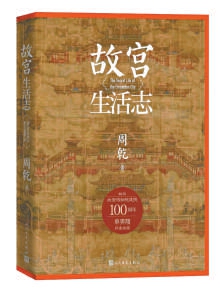
宫廷年夜饭吃些啥
Xin Lang Cai Jing· 2026-02-19 06:34
Group 1 - The royal family traditionally holds family banquets during the New Year, with separate gatherings for male and female members [2] - The Emperor shares a New Year's Eve dinner with female family members and a New Year's banquet with male family members, both held in the Qianqing Palace [2] - The banquets follow strict protocols, with seating arrangements based on rank and a designated table for the Emperor [2][3] Group 2 - The royal New Year's dinner features a lavish spread, including over a hundred dishes ranging from fruits, snacks, cold dishes, to hot dishes [2][4] - Specific dishes served include various types of meat, seafood, and desserts, with detailed descriptions of the food presentation [3][4] - The dining process involves rituals such as the Emperor starting the meal and the serving of dishes in a specific order, emphasizing the ceremonial nature of the event [5]
鲜甜的中国年,从广州这里出发
Xin Lang Cai Jing· 2026-02-15 03:15
Core Insights - The article highlights the vibrant import fruit market in Guangdong, China, which serves as a crucial hub for global fruit distribution, especially during the Spring Festival season [1][2]. Group 1: Market Dynamics - Guangdong's market, referred to as "Jiangnan Hui," handles over 60% of the country's imported fruits, making it a significant player in the national fruit supply chain [1]. - The market operates continuously, reflecting the dynamic nature of fruit trading, with each transaction influencing prices across the country [2]. Group 2: Cultural Significance - The influx of various fruits from around the world symbolizes the essence of the Chinese New Year, bringing together diverse flavors for family reunions [1][2]. - The article emphasizes the role of Guangdong as a melting pot of cultures and commerce, showcasing its historical significance in trade and its modern-day openness to global markets [2].
长征故地 又迎“开心年”
Xin Lang Cai Jing· 2026-02-14 23:01
Core Insights - The article highlights the transformation of Shixiangzi, a village in Sichuan, where the local community has found various paths to prosperity, celebrating the legacy of the Red Army's historical presence during the Long March [2][3] Economic Development - The population of Shixiangzi has grown from 400 to 9,339, with a projected GDP of 15.2 million yuan for 2024 [2] - The local economy has diversified, with the establishment of businesses like "Bridgehead Coffee," which has seen a sales increase of 300% during the festive season, selling up to 140 cups in a single day [2] - The citrus industry has become a significant source of income, with sales exceeding 3.5 million yuan, benefiting from favorable growing conditions and community engagement in agriculture [2] Cultural Heritage - The village hosts a unique "Happy Year" celebration, which has become a tradition, showcasing local dances and stories from the Red Army's history [2] - Local residents, including volunteers like Cai Meng, are actively involved in preserving and sharing the cultural heritage associated with the Red Army's legacy [2] Community Engagement - The article emphasizes the role of local leaders and community members in promoting cultural events and agricultural practices, fostering a sense of unity and shared purpose [2][3] - The involvement of various age groups in activities like the "Jumping Vegetable Dance" reflects a commitment to cultural transmission and community bonding [2]