阳光玫瑰葡萄

Search documents
农业科技赋能消费者“果盘子”品质提升
Zheng Quan Ri Bao· 2026-02-04 16:13
Core Viewpoint - The domestic high-end fruit market, particularly blueberries, is rapidly growing, with local varieties gaining popularity and quality that rivals or surpasses imported options [1][2][3] Group 1: Market Trends - The upcoming Spring Festival has led to a surge in the availability of domestic high-end fruits like blueberries, raspberries, and blackberries, which were previously mainly imported [1] - Domestic blueberries are now being sold at significantly lower prices compared to imports, with a 125g pack of local "giant" blueberries priced at 18.5 yuan, nearly 40% cheaper than similar imported varieties [2] - The market share of domestic high-end fruits has increased significantly, with growing consumer recognition and preference for local products [2] Group 2: Industry Development - Leading companies are leveraging agricultural technology to enhance planting techniques and drive standardization and scale in the industry [2][3] - Shenzhen Noposion Agricultural Science Co., Ltd. has invested over 4 billion yuan in the blueberry industry, establishing over 60 farms and 40 cold chain processing centers across Yunnan province [3] - The company aims to achieve over 2 billion yuan in sales for blueberries in the 2024-2025 season, positioning itself among the top sellers in China [3] Group 3: Policy and Future Outlook - The recent Central Document No. 1 emphasizes the importance of agricultural modernization and the need for technological innovation in the sector [3][4] - The fruit industry is now the third largest planting industry in China, following grains and vegetables, and is considered a vital pillar of the agricultural economy [4] - Companies are encouraged to capitalize on policy benefits and market opportunities while expanding their overseas market presence [4]

「800元一颗的天价菠萝,俺不中了」
36氪· 2026-02-04 13:38
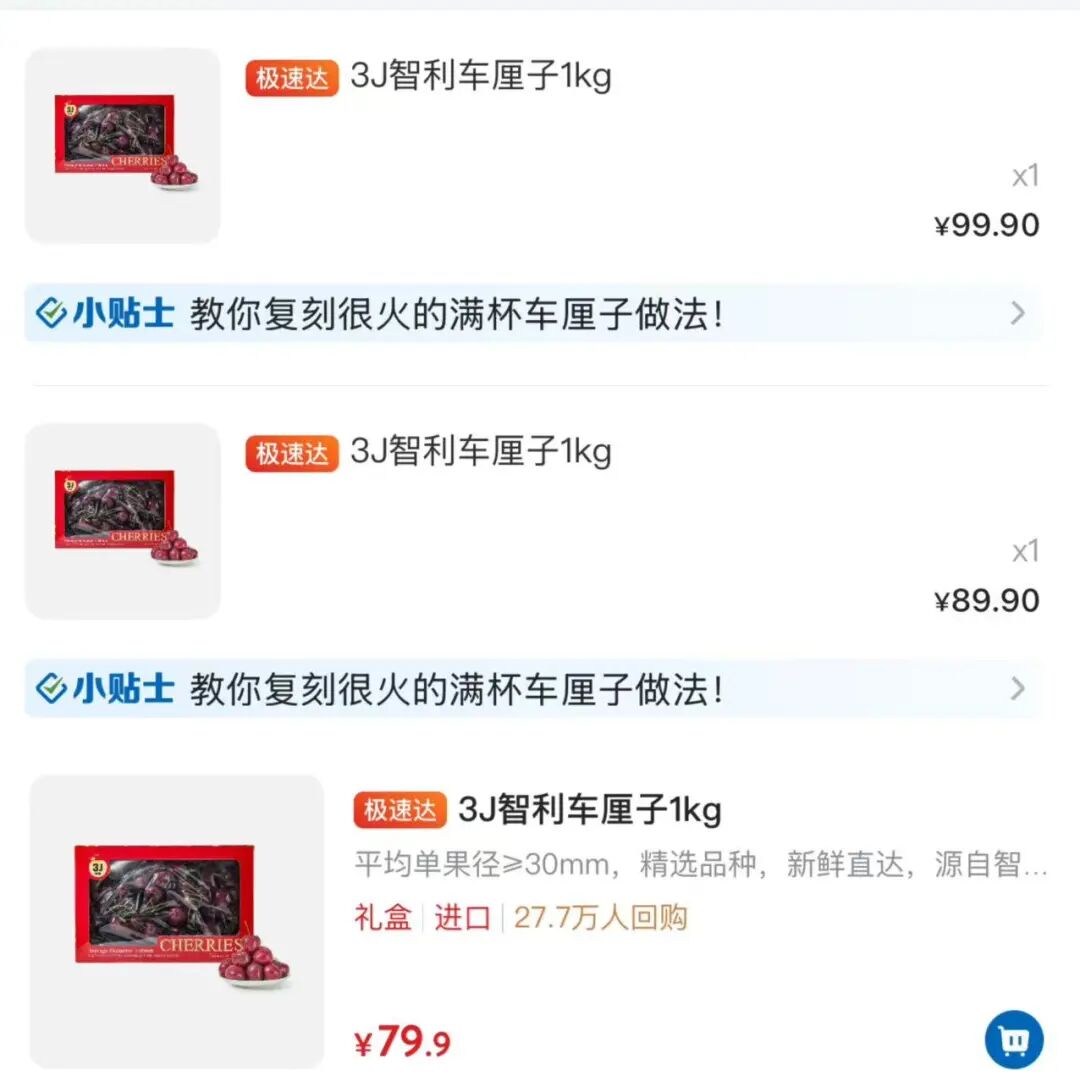
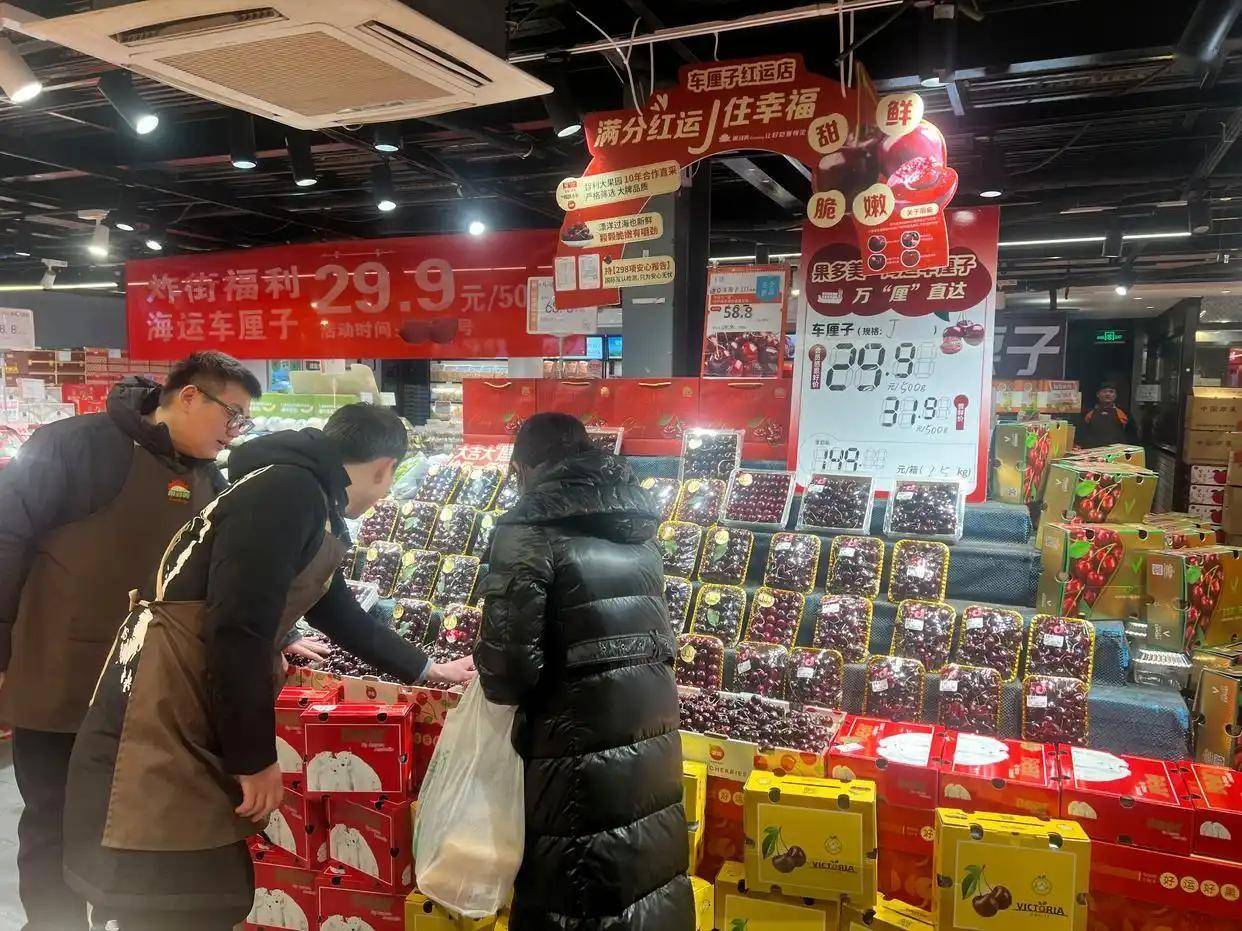
Core Viewpoint - The article discusses the recent trends in the high-priced fruit market, highlighting the rapid price fluctuations and the emergence of new premium fruits like black strawberries and pink pineapples, which have gained significant consumer attention and sales despite their high prices [4][33]. Group 1: Price Trends - The price of Chilean cherries has dropped significantly, from 99.9 yuan/kg to 79.9 yuan/kg within a few weeks, showcasing the volatility in fruit pricing [5][6]. - Black strawberries, a new premium fruit, are priced around 600 yuan/kg, with individual pieces selling for as much as 300 yuan [18][10]. - Pink pineapples have also gained popularity, with prices reaching 800 yuan per piece, and some gift boxes priced at 2458 yuan [22][27]. Group 2: Consumer Behavior - Consumers are increasingly drawn to unique and visually appealing fruits, with the perception that unusual colors and high-end names correlate with higher prices [39][40]. - The article notes that despite high prices, there is still strong demand for these premium fruits, as evidenced by sales data showing high volumes sold [19][30]. Group 3: Market Dynamics - The emergence of high-priced fruits is attributed to their rarity and the marketing strategies employed by sellers, which emphasize their nutritional benefits and exclusivity [48][49]. - The article mentions that the cultivation of black strawberries is limited, with lower yields compared to traditional varieties, contributing to their high market price [54][55]. - Historical examples, such as the price drop of sunshine grapes from over 300 yuan/kg to more affordable prices due to increased supply, illustrate the potential for price normalization in the fruit market [60][66]. Group 4: Future Outlook - There is an expectation that as cultivation techniques improve and supply increases, the prices of currently high-priced fruits like black strawberries may eventually decrease [75][76]. - The article suggests that the fruit market is evolving, with competition now focusing on sensory experiences and social value rather than just taste [69][70].

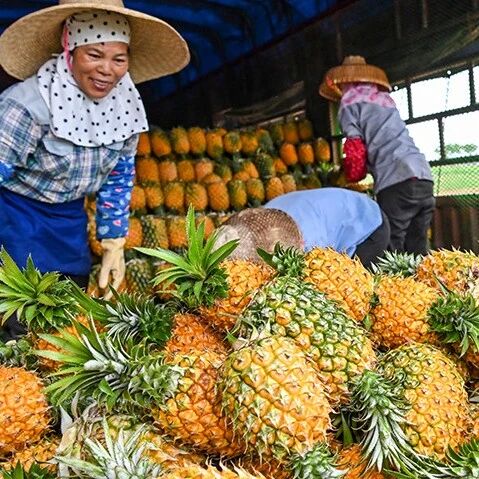
“800元一颗的天价菠萝,俺不中了”
3 6 Ke· 2026-02-03 08:12
Core Viewpoint - The fruit market is experiencing significant price fluctuations, with certain high-end fruits like black strawberries and pink pineapples gaining popularity and commanding exorbitant prices, while other fruits like cherries are seeing sharp price declines [1][4][46]. Price Trends - Cherry prices have dropped from 99.9 yuan/kg to 79.9 yuan/kg within a few weeks, showcasing a rapid decline [1]. - Black strawberries are priced around 600 yuan/kg, with individual pieces costing nearly 300 yuan [11][39]. - Pink pineapples are priced at 800 yuan each, with some gift boxes reaching 2458 yuan, translating to approximately 819 yuan/kg [16][18]. Consumer Behavior - Despite high prices, there is a notable demand for these premium fruits, with black strawberries and pink pineapples selling out quickly on e-commerce platforms [20][22]. - Consumers are increasingly drawn to unique and visually appealing fruits, which are perceived as luxury items or social currency [44][45]. Market Dynamics - The rise of high-priced fruits is attributed to their rarity and the marketing strategies that emphasize their uniqueness and health benefits [35][37]. - The production of black strawberries is limited, with a significantly lower yield compared to traditional varieties, contributing to their high price [39]. - The fruit market is evolving, with competition shifting towards offering unique sensory experiences rather than just taste [44]. Future Outlook - There is potential for prices of high-end fruits to stabilize or decrease as production techniques improve and consumer awareness grows [46][47]. - The fruit industry is likely to continue seeing new entrants and fluctuating prices, reflecting ongoing changes in consumer preferences and market dynamics [53][54].
从黑草莓走红看果业新动向
Zhong Guo Jing Ji Wang· 2026-01-28 08:09
Core Insights - The cultivation of high-quality fruit varieties is a long-term endeavor, with significant returns expected over time. The future direction for strengthening the fruit industry involves ensuring basic consumer needs while developing top domestic fruit varieties through market-oriented research, standardized planting, and social services [1][4]. Group 1: Market Trends - The emergence of black strawberries, priced at over 100 to 300 yuan per pound, has sparked discussions about the new trends in the fruit industry, highlighting the competitive cultivation of fruit varieties [1]. - The concept of "third-generation fruits," which includes wild mountain fruits and newly cultivated premium fruits, is gaining popularity, indicating a shift in consumer preferences towards unique and high-value products [3]. Group 2: Consumer Behavior - Consumers in China have diverse preferences for fruits, and the market must cater to various price points and nutritional needs. This diversity suggests that not all consumers will seek out high-end fruits, as many are satisfied with more affordable options [2]. - The willingness of some consumers to pay a premium for unique fruits creates opportunities for producers, but it is essential that the benefits of high prices also reach the production end to support farmers [2]. Group 3: Industry Challenges - Despite the development of numerous domestic fruit varieties, the industry faces challenges in meeting consumer demand, particularly as imports increase and domestic competition intensifies [3]. - The fruit industry has seen a decline in international competitiveness, with China transitioning from a net exporter to a net importer of fruits [3].
中经评论:从黑草莓走红看果业新动向
Jing Ji Ri Bao· 2026-01-27 00:02
Core Viewpoint - The rise of black strawberries and other third-generation fruits reflects new trends in the fruit industry, highlighting the need for competitive cultivation practices and market adaptability [1][2]. Group 1: Market Trends - Black strawberries have gained popularity with prices reaching over 100 to 300 yuan per pound, leading to discussions about their market positioning as a "new luxury fruit" [1]. - The fruit industry in China is characterized by a diverse range of products, catering to various consumer preferences and price points, which is essential for meeting the needs of a large population [2]. - The market for unique fruits can be lucrative; even a small percentage of consumer interest can lead to significant market opportunities [2]. Group 2: Consumer Behavior - Consumer preferences vary, with some willing to pay a premium for novelty, while others find satisfaction in more affordable options [2]. - The perception of fruit value is influenced by factors such as rarity and production costs, with high prices often reflecting limited supply [1]. Group 3: Industry Development - The concept of "third-generation fruits" includes newly cultivated varieties that are gaining market attention, while traditional fruits remain valuable and economically viable [3]. - The fruit industry has seen a shift towards premium pricing for high-quality products, encouraging producers to innovate and develop new varieties [3]. - Despite advancements in domestic fruit cultivation, the industry faces challenges from increasing imports and declining international competitiveness [3][4]. Group 4: Future Directions - The development of high-quality fruit varieties requires long-term investment and commitment, with successful examples like the Giant and Sunlight Rose grapes demonstrating the potential for market success [4]. - Future growth in the fruit industry will depend on meeting basic consumer needs while also focusing on market-driven research, standardized cultivation, and social services to enhance domestic fruit production [4].
全省第一!杨凌外贸凭实力“出圈”
Sou Hu Cai Jing· 2026-01-19 08:06
Core Insights - In 2025, Yangling Demonstration Zone is projected to achieve a total foreign trade import and export volume of 1.851 billion, marking a year-on-year growth of 38.07%, the highest growth rate in the province [1] - The 32nd Yangling Agricultural High-tech Fair successfully hosted the first full participation of 27 SCO member countries, providing a platform for agricultural technology exchange and economic cooperation [3] - Yangling Guohe Cross-border Trade Co., Ltd. has established partnerships with over 20 countries and regions, promoting the export of high-quality Chinese agricultural products [4] - The establishment of the Agricultural Base Cross-border E-commerce Industrial Park aims to reduce operational costs for enterprises and facilitate international market expansion [3][6] - Yangling Demonstration Zone is continuously cultivating new foreign trade momentum by setting up agricultural product collection bases and providing comprehensive services for agricultural enterprises [6] - The region's agricultural foreign trade is characterized by rapid growth, with an average annual growth rate of over 20% in import and export volume from 2019 to 2025 [9] - Plans for 2026 include further expanding openness, implementing foreign trade support measures, and enhancing the competitive edge of agricultural product trade [9]
让四季果香更“浓” 让冷凉蔬菜更“热” 邮储银行云南省昭通分行精准滴灌高原特色农业产业
Jin Rong Shi Bao· 2026-01-08 03:35
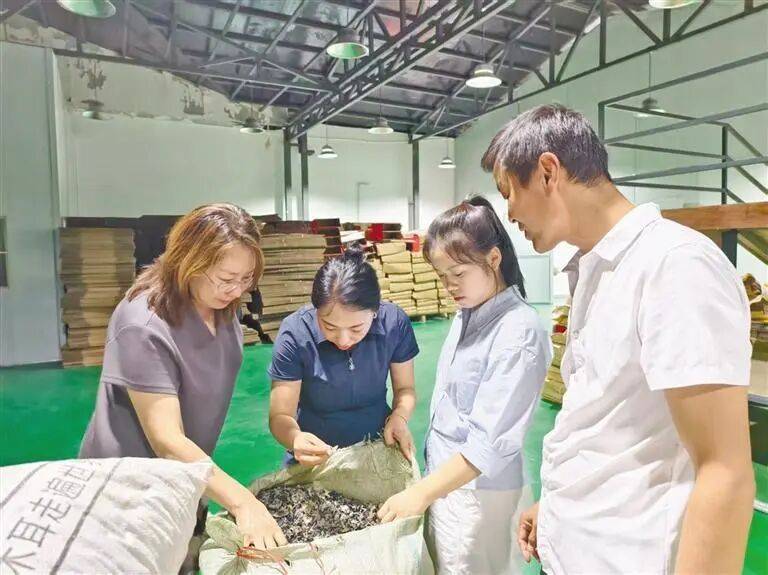
Core Insights - The article highlights the role of Postal Savings Bank in supporting agricultural development in Yunnan Province, particularly in Zhaotong City, through tailored financial services that align with local agricultural characteristics and the rural revitalization strategy [1][2][3][4][5][6] Group 1: Agricultural Development - The diverse climate and geography of the region contribute to a rich agricultural landscape, with low-altitude tropical fruits and high-altitude cool vegetables thriving [1] - In Yongshan County, the area dedicated to specialty fruit cultivation has reached 195,000 mu, with an annual output of approximately 100,000 tons and a production value exceeding 1.1 billion yuan [2] - The bank's "industry loan" products have been instrumental in addressing the financing needs of local farmers, enabling them to expand their operations and improve productivity [2][3] Group 2: Financial Support Mechanisms - Postal Savings Bank has introduced various financial products, such as "loquat loans" and "citrus loans," to support the development of specialty fruit industries [2] - The bank's proactive approach includes on-site visits and personalized financial solutions, which have effectively resolved funding challenges for farmers [2][3] - The bank has streamlined its loan approval process, reducing the time to 24 hours, thus enhancing accessibility for farmers and businesses [5][6] Group 3: Impact on Local Economy - The modernization of agricultural practices, supported by the bank's loans, has led to significant increases in crop yields, with some farmers reporting a 30% increase in production [3] - The transformation of previously idle land into productive agricultural areas has created job opportunities and increased income for local communities [5][6] - As of October 2025, the bank's inclusive finance initiatives have resulted in a balance of 960 million yuan in loans for small and micro enterprises, serving 4,528 clients [6]

突发特讯!车厘子、蓝莓价格“跳水”迎热销,引全民高度关注
Sou Hu Cai Jing· 2025-12-25 00:43
Group 1 - The retail price of cherries has significantly decreased, with J-grade cherries dropping below 30 yuan per pound and high-end 3J cherries falling from 160 yuan to 90 yuan per kilogram, stimulating sales and creating a vibrant market atmosphere [3] - However, wholesalers are facing a "volume increase but profit decrease" dilemma, as the surge in supply leads to rapid price declines, squeezing profit margins [3][5] - The root cause of the price drop is a massive increase in supply, with Chile preparing approximately 655,000 tons of cherries for the current season, over 90% of which is destined for China [5] Group 2 - The trend of blind expansion in fruit planting is causing anxiety among growers, as many fruits like lychees and sugar oranges have seen significant price drops due to oversupply [7] - Some farmers are realizing that merely pursuing higher yields is a dead end, prompting a shift towards optimizing varieties, building brands, and selling out of season in the Yunnan blueberry industry [7] - The price reduction reflects the strengthening of China's fruit market, with domestic blueberries achieving next-day delivery in major cities and exporting to Southeast Asia, indicating a shift in pricing power towards local high-quality fruit [9]
多措并举助企快通关
Liao Ning Ri Bao· 2025-12-22 01:07
Core Insights - The article highlights the efficiency improvements in customs clearance processes at Dalian port, particularly for fresh produce exports to Saudi Arabia, showcasing the implementation of a "green channel" for expedited processing [1] - The introduction of "Internet + Border Inspection" services has simplified administrative procedures for businesses, enhancing the overall customs experience and reducing delays [2] - The expansion of port facilities and services in Liaoning province aims to optimize trade logistics and meet the demands of major projects, strengthening economic ties with global markets [3] Group 1 - A cargo ship carrying 151,000 tons of "Sunshine Rose" grapes successfully completed customs clearance at Dalian port, marking the first export of grape products to Saudi Arabia from the region [1] - Dalian border inspection station has adopted a "real-time inspection and immediate release" model to enhance efficiency, resulting in a 38% year-on-year increase in the number of inbound and outbound vehicles at Liaoning ports, totaling 95,000 [1] - The implementation of the "Tide Before Handling" service for large vessels has significantly reduced port stay times, saving companies over 40 million yuan in operational costs [2] Group 2 - The expansion of port facilities, including new berths at Huludao Suizhong Port and Dalian Hengli, aims to better align with the import and export needs of major projects [3] - Temporary openings of berths at Dandong Dadong Port have been initiated to enhance port accessibility and optimize the overall port layout in Liaoning province [3] - These initiatives are designed to ensure smooth transportation links and strengthen Liaoning's economic connections with the world [3]
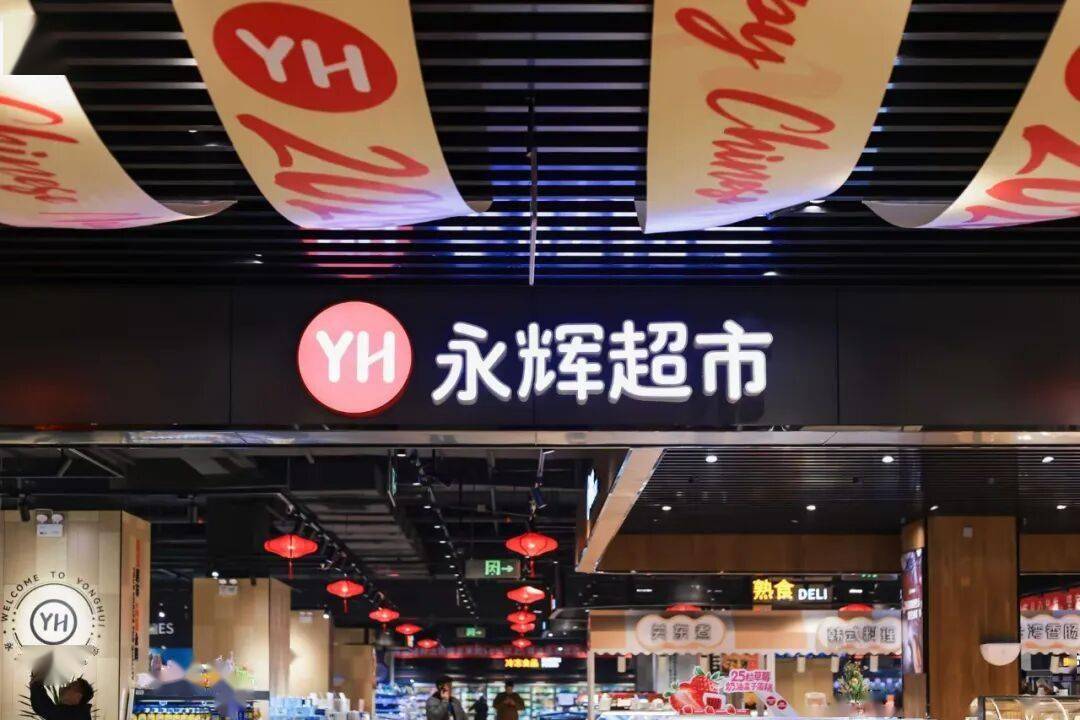
当“文都”桐城遇见“胖永辉”:永辉梧桐国际方圆荟店12月19日焕新开业
Sou Hu Cai Jing· 2025-12-18 10:20
Core Viewpoint - The opening of the first "Pang Dong Lai model" reform store in Tongcheng, Anhui, marks a significant step for Yonghui Supermarket in enhancing its presence in county markets, offering a new quality consumption experience to local residents [2][3]. Group 1: Store Features and Upgrades - The store covers over 2,900 square meters and has undergone a comprehensive upgrade in product structure, environment layout, and service experience [3]. - The product assortment has been significantly optimized, with 4,819 items removed and 4,932 new items added, resulting in a new product structure that aligns with over 80% of Pang Dong Lai's offerings [3]. - The fresh food section has been upgraded to include high-quality seasonal fruits and organic vegetables, ensuring traceable and safe food sources [8]. Group 2: Pricing and Product Quality - The store maintains a "high-quality and affordable" strategy, with prices for essential goods such as cabbage at 0.39 yuan per jin, Akesu apples at 3.99 yuan per jin, and live bass at 13.9 yuan each [9]. - A dedicated "Pang Dong Lai brand area" features nearly 60 popular products, allowing local consumers to access previously hard-to-find items [6]. Group 3: Customer Experience Enhancements - The shopping environment has been optimized for comfort, with wider aisles and lower shelf heights for better visibility and accessibility [15]. - Customer amenities include a rest area with free health measurement services, enhancing the overall shopping experience [18]. Group 4: Employee Welfare and Community Impact - The store has increased its staff from 91 to 145, providing improved employee benefits such as paid annual leave and profit-sharing opportunities [18]. - The opening of the Tongcheng store represents a successful implementation of the "Pang Dong Lai model" in county markets, contributing to local commercial innovation and consumption upgrades [18].