红颜草莓

Search documents
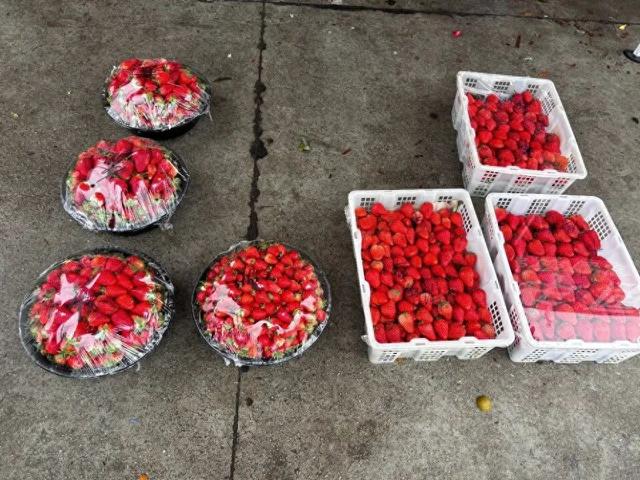
草莓大降价,低至1元/斤!武汉正大量上市,“从没见过这么便宜”
Xin Lang Cai Jing· 2026-02-27 00:49
Core Insights - The price of strawberries in Wuhan has significantly dropped, with some being sold for as low as 1 yuan per jin, primarily due to increased supply and reduced customer traffic caused by recent rainy weather [1][3][6]. Group 1: Price Trends - Local red strawberries, particularly the "Hongyan" variety, are being sold at various price points, with smaller strawberries reaching a floor price of 1 yuan per jin and larger, higher-quality ones priced around 5 yuan per jin [1][3]. - A vendor reported selling strawberries at multiple price levels, including 1 yuan, 2 yuan, 3 yuan, and 5 yuan, with the cheapest option being 10 yuan per box [3][6]. Group 2: Sales Performance - The drop in prices has led to a surge in sales, with one vendor selling 60 to 70 baskets in a morning and receiving a single order worth 2,300 yuan, primarily from wholesale customers [3][4]. - Another vendor anticipates selling around 600 jin of strawberries in a day due to the increased customer interest following the price drop [6]. Group 3: Consumer Response - Consumers, including tourists from other regions, have expressed surprise at the large size and low price of the strawberries, indicating a strong demand for the product [4][6]. - Street vendors are also experiencing high foot traffic, with customers eager to purchase strawberries at competitive prices [4][5]. Group 4: Market Dynamics - Industry insiders suggest that the price fluctuations are closely tied to weather conditions, with expectations that prices may rise again once the weather improves and supply stabilizes [8].

【新春走基层】黑龙江宝清县:产业园里春意浓 乡村振兴硕果丰
Zhong Guo Fa Zhan Wang· 2026-02-24 08:32
Core Insights - The agricultural industrial park in Baoqing Town, built with over 5.22 million yuan of government investment, utilizes advanced greenhouse technology to cultivate strawberries and persimmons during winter, enhancing local agricultural productivity [1][2] - The park is expected to generate an annual revenue of 1.25 million yuan, benefiting local villages and over 900 impoverished households, while also providing numerous job opportunities for local residents [2] Summary by Sections Agricultural Production - The industrial park covers an area of 70,000 square meters and includes 6 warm greenhouses and 2 cold greenhouses, officially operational since October 2025 [1] - Expected yields include 5,000 jin (2,500 kg) of strawberries per warm greenhouse at a pre-sale price of 50 yuan per jin, and 10,000 jin (5,000 kg) of persimmons per warm greenhouse at a pre-sale price of 20 yuan per jin [1] Economic Impact - The park will increase the annual income of the collective in Baoqing Town by over 1.05 million yuan, and contribute an additional 75,000 yuan to neighboring villages [2] - It is projected to provide a total of 120,000 yuan in annual income for over 900 impoverished households, supporting local infrastructure and public welfare initiatives [2] Employment and Skill Development - The agricultural park prioritizes hiring local villagers and impoverished households for construction, management, and sales roles, facilitating "employment at the doorstep" [2] - Local residents are receiving training in advanced agricultural techniques from professional technicians, laying the groundwork for future independent agricultural development [2]
为了打败车厘子,草莓拼了
3 6 Ke· 2026-02-13 01:53
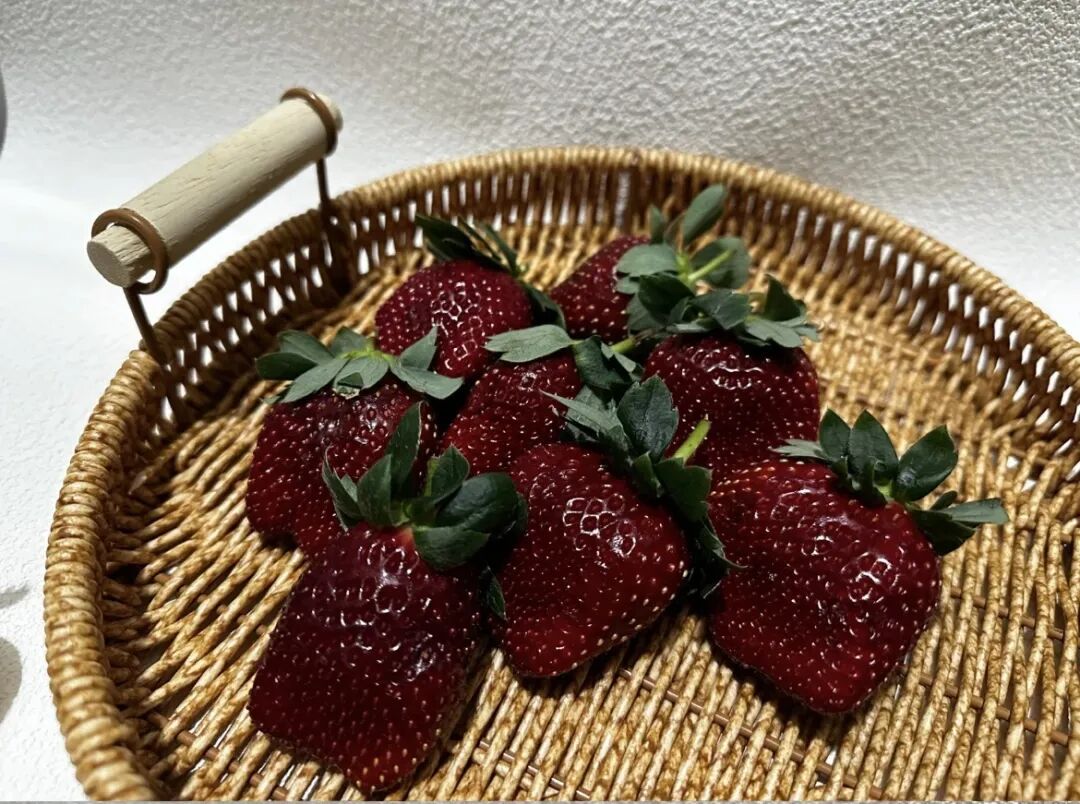
Core Viewpoint - The traditional top fruit for Chinese New Year, cherries, may be replaced by strawberries this year, particularly the black strawberry variety, which has gained significant popularity and high prices [2][3][5]. Group 1: Market Trends - Strawberries, especially the "Hongyan" variety, have topped sales charts in major retail platforms like Hema and Sam's Club during the New Year season [2]. - The price of black strawberries has surged, with some reaching 300 yuan per jin (approximately 500 grams) on e-commerce platforms, indicating a strong demand [3][11]. - The hashtag 黑草莓 (black strawberry) has garnered over 24.1 million views on social media platform Xiaohongshu, reflecting its rising popularity [4]. Group 2: Product Characteristics - Black strawberries, known for their deep red to purple-black skin due to high anthocyanin content, are a new addition to the market, with limited planting areas leading to higher prices [7]. - Compared to regular strawberries, black strawberries have a richer flavor, lower acidity, and higher average sugar content, making them more appealing to consumers [13]. - The unique appearance of black and other colored strawberries caters to social media trends, enhancing their attractiveness for gifting during the festive season [23]. Group 3: Competitive Landscape - Traditionally, cherries have dominated the winter fruit market, but their increasing availability and lower prices are shifting consumer preferences [14][15]. - The production of cherries is expected to rise significantly, with Chilean cherry production projected to reach 655,000 tons by the 2025/26 season, leading to price reductions [14]. - Despite the challenges faced by cherries, their consistent quality and nutritional value continue to attract consumers, although strawberries are emerging as a strong alternative [20][22].
69.8元6盒高山巨无霸蓝莓!京东七鲜北京荟聚店开启“过节模式”
Zhong Jin Zai Xian· 2026-02-06 09:04
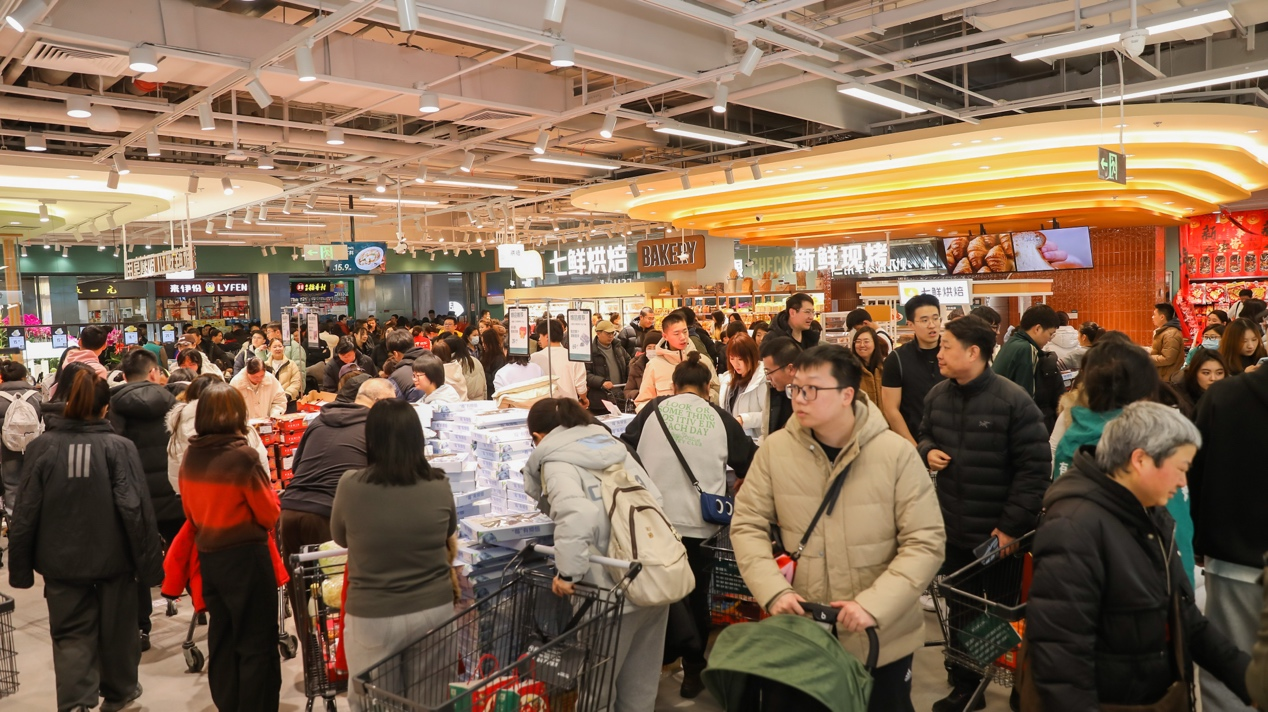
Core Insights - JD Fresh Supermarket has opened new stores in Beijing and Shanghai, generating significant consumer interest with nearly 150,000 visitors in the first three days at the Beijing Huiju store [1] - The store offers a variety of affordable products for the upcoming Spring Festival, including fresh produce, traditional New Year goods, and private label gift boxes, catering to the needs of local consumers [1] Product Highlights - The Beijing Huiju store features high-value fresh products, such as large blueberries priced at 69.8 yuan per box, strawberries at 59.9 yuan per kilogram, and Chilean cherries at 149 yuan per box [3] - Premium seafood options include Tasmanian salmon at 88 yuan per pound, large lobsters priced at 39.9 yuan per pound, and Angus shoulder blade rolls at 49.9 yuan per kilogram [5] - The store's gift box offerings include a dual-pack of Jingxianfang No. 6 liquor for 299 yuan, and various wines priced at 59 yuan per bottle, making high-quality beverages more accessible [7] Health and Wellness Products - The supermarket emphasizes health-oriented products, such as organic camellia oil gift boxes priced at 159 yuan, and a selection of nuts including almonds, cashews, and pistachios [9] Valentine's Day Promotions - In anticipation of Valentine's Day, the store has prepared a range of romantic gifts, including popular chocolate brands and creative gift items, enhancing the shopping experience for couples [11] Online and Offline Integration - The Beijing Huiju store offers convenient online delivery services through the JD app or the Seven Fresh mini-program, allowing customers to enjoy a seamless shopping experience with delivery in as fast as 30 minutes [13]

丹东特产组团进京办展
Liao Ning Ri Bao· 2026-02-05 01:18
Group 1 - The "2026 Beijing Supply - Dandong Strawberry Festival" showcased nearly 200 local specialty products from Dandong, including fresh fruits like strawberries and blueberries, as well as processed foods and traditional cultural products [1] - The festival featured interactive food experience zones, such as strawberry candied fruit and creative strawberry dumplings, enhancing engagement with the public [1] - Dandong enterprises reported high demand, with one company selling over 1 million yuan worth of products online during the event [1] Group 2 - The festival introduced an "online China" section for the Beijing-Dandong online New Year goods festival, facilitating a full circulation model of online ordering and offline pickup [2] - Several Dandong companies established preliminary cooperation intentions with Beijing supermarkets and community procurement platforms during the event [2] - A long-term supply agreement was initiated between Dandong suppliers and Beijing's "People's Vegetable Basket" program, aiming for sustainable collaboration beyond short-term sales [2]
永辉超市启动年货节
Bei Jing Shang Bao· 2026-02-04 16:39
Core Viewpoint - Yonghui Supermarket has launched the "New Yonghui New Year Flavor" 2026 New Year goods festival, focusing on a diverse range of products to meet consumer demands during the upcoming Lunar New Year [1] Group 1: Product Offerings - In the fruit segment, Yonghui features Chilean cherries, Hongyan strawberries, and domestic blueberries, employing a phased supply strategy for cherries to match varying consumer needs [1] - The supermarket has refined its strawberry offerings by operating multiple varieties such as Hongyan, Zhangji, and Xiangye, planning different harvest times and specifications [1] - For family reunion dining, Yonghui offers a variety of meat products including Chaozhou fresh-cut beef, imported fatty beef/lamb rolls, and fresh-cut lamb series, along with several combination platters [1] Group 2: Enhancing Customer Experience - To enhance store traffic and experiential value, Yonghui emphasizes freshly prepared and ready-to-eat food options, creating an interactive atmosphere [1] - The supermarket has introduced several home banquet dishes, including braised abalone pork, abalone fortune hand, and abalone chicken pot, catering to customers seeking restaurant-quality meals at home [1] Group 3: Festive Atmosphere - Yonghui has planned for nut gift boxes and festive decorations to create a family holiday atmosphere, offering customized nut gift packages and bulk packaging to meet sharing and gifting needs [1] - The "Yonghui Happy Market" area features a full range of New Year decorations, including couplets, lanterns, and creative ornaments, incorporating popular IPs and new designs [1]

不拘传统 常逛常新
Xin Lang Cai Jing· 2026-02-03 10:29
Core Insights - The article highlights the transformation of the Taihu Market into a vibrant space that integrates traditional culture with modern technology, enhancing the urban experience while preserving its historical essence [1][5]. Group 1: Market Transformation - The Taihu Market has undergone significant changes, evolving from a simple agricultural gathering to a diverse space that combines folk customs, technology, and daily life [1][3]. - The market features over 700 stalls, making it a well-known cultural hub in the Beijing-Tianjin-Hebei region and a key traditional market in Beijing [3][4]. Group 2: Cultural Integration - The market hosts various performances, including traditional shadow puppetry and acrobatics, which attract audiences of all ages, showcasing the charm of traditional culture [4][5]. - The integration of technology, such as interactive robots, enhances the traditional performances, appealing to younger visitors and creating a unique experience [4][5]. Group 3: Seasonal Festivities - As the Chinese New Year approaches, the market is filled with festive decorations and traditional foods, creating a vibrant atmosphere that embodies the spirit of the holiday [6][7]. - Various stalls offer a wide range of seasonal products, including nuts, dried fruits, and decorative items, contributing to the festive ambiance [6][7]. Group 4: Culinary Offerings - The market features a variety of traditional Beijing snacks and local delicacies, providing visitors with an authentic taste of the region [7][9]. - The bustling environment, with vendors actively engaging customers, creates a lively and inviting atmosphere for food lovers [7][9]. Group 5: Accessibility and Services - The market operates on specific days of the lunar calendar, with additional events planned for the New Year, ensuring a continuous flow of visitors [8][17]. - Convenient transportation options are available, including ample parking and public transit access, making it easy for visitors to reach the market [8][18].
感受年味 南京“惠农市集”首场周末汇开市
Nan Jing Ri Bao· 2026-02-02 08:52
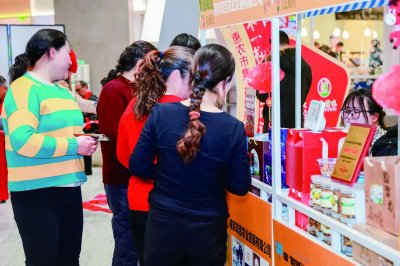
Core Insights - The "Huinong Market" in Nanjing has successfully launched its first weekend event, attracting numerous citizens to experience the joy of shopping for local agricultural products [3][4] Group 1: Event Overview - The "Huinong Market" weekend event took place at the Starlight Stage on the 7th floor of the Hexi Golden Eagle World, featuring a vibrant atmosphere with local farmers selling fresh products [3] - The market showcased various regional public brand products and geographical indication agricultural products, including specialties like Longchi crucian carp, Baima blackberries, and Lishui strawberries [3][4] Group 2: Community Engagement - The event incorporated traditional customs and intangible cultural heritage elements, offering free activities such as writing Spring Festival couplets and characters, enhancing the festive atmosphere [4] - A live streaming team collaborated with exhibitors to promote Nanjing's quality agricultural products online, expanding their reach beyond the physical market [4] Group 3: Policy and Future Plans - The "Huinong Market" serves as a platform for promoting agricultural policies and has announced fixed locations for future events, including several community and cultural sites [5] - Since November 29, 2025, Nanjing has hosted 52 agricultural product exhibitions, attracting 500,000 citizens, with plans to hold 100 more events this year [5] - The initiative aims to achieve a win-win situation for farmers and citizens by ensuring regular market activities every weekend [5]
京东七鲜新店开业:价格全面对标山姆,茅台直降近百元
Xin Lang Cai Jing· 2026-02-01 02:33
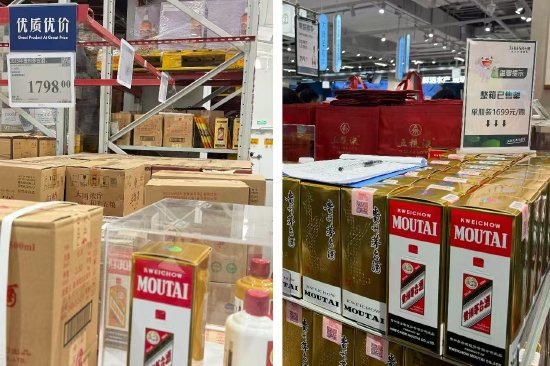
Core Insights - JD's Seven Fresh store in Beijing officially opened, directly competing with Sam's Club in terms of pricing and product quality [1][5] Pricing Strategy - In the bakery section, Seven Fresh offers products like the flower edge egg tart at 2.5 yuan, which is less than half the price of the same item at Sam's Club [1][5] - The price of 53-degree Feitian Moutai at Seven Fresh is 1699 yuan per bottle, compared to 1798 yuan at Sam's Club, showing a price difference of 100 yuan [1][5] - For popular fruits, Seven Fresh's price for Hongyan strawberries is 49.9 yuan per kg, while Sam's Club charges 169.9 yuan for 1.5 kg [1][5] Product Quality and Variety - Seven Fresh maintains strict quality control, providing superior products compared to Sam's Club, which has faced controversies regarding product quality [2][6] - In the rice, flour, and oil category, Seven Fresh offers the same price as Sam's Club for Hu Jihua peanut oil but with a larger capacity of 6.18 liters compared to Sam's 5.68 liters [2][6] - Seven Fresh's pricing strategy includes lower prices or "to-hand prices" for branded products like Fenjiu and Heineken, making them more competitive than Sam's Club [2][6]
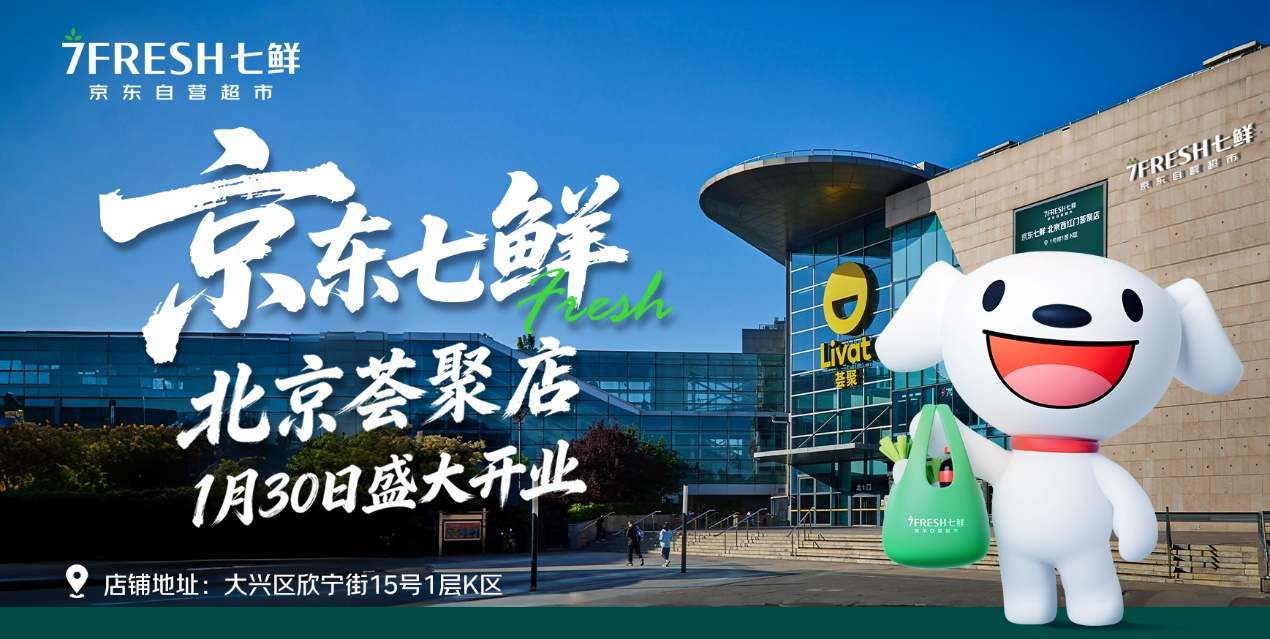
就在本周五!京东七鲜北京上海双店齐开,春节前一大波品质年货来袭!
Jin Rong Jie· 2026-01-28 08:54
Core Viewpoint - JD's Seven Fresh Supermarket is set to open two new stores in Beijing and Shanghai on January 30, offering a variety of fresh products and promotional deals to attract local consumers [1][15]. Group 1: Store Openings and Promotions - The new stores will feature special products and promotions, including significant discounts and buy-one-get-one-free offers, aimed at enhancing the shopping experience for families in Beijing and Shanghai [1][10]. - The online delivery service for the West Hongmen store has already begun, allowing residents to order products ahead of the official opening [3]. Group 2: Featured Products - The West Hongmen store will offer unique items such as live king crabs priced at 799 yuan each, fresh salmon at 79 yuan per pound, and large blueberries at 69.8 yuan per box [5]. - The store will introduce a range of "24-hour fresh" products, including vegetables and eggs that are delivered within 24 hours from the farm to the shelf, ensuring maximum freshness [8]. Group 3: Local Specialties and Events - The Shanghai store will focus on local flavors, featuring a section for seasonal vegetables from Chongming Island and popular local products like Australian beef and Norwegian salmon [10]. - Various opening activities will be held, including over 30 tasting stations, allowing customers to sample global delicacies while shopping [10][14]. Group 4: Additional Offerings - The stores will also provide a selection of freshly baked goods, including a reduced-sugar strawberry box and other pastries at promotional prices [12][14]. - A wide range of products across multiple categories will be available under the "buy one, get one free" promotion, catering to diverse household needs [14].