出口管制合规

Search documents
法评 | 赵鹏丽:2025年经济制裁与贸易管制合规回顾与展望
Sou Hu Cai Jing· 2025-12-26 11:22
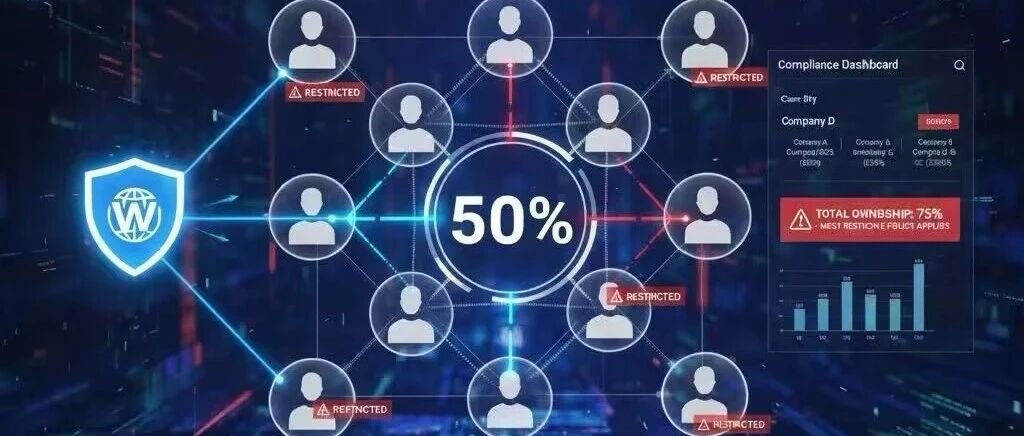
Core Viewpoint - The global geopolitical landscape is increasingly complex, with ongoing international conflicts, intensified strategic competition among major powers, and a surge in sanctions and export control measures, significantly raising compliance thresholds for cross-border transactions and complicating corporate compliance management [1][2]. Group 1: Overview of Global Sanctions and Trade Control Policies - The number of global sanctions and sanctioned entities is at a historically high level, indicating a trend towards institutionalization of international sanctions activities [1]. - The article outlines the core policy dynamics in the field of global economic sanctions and trade controls for 2025, focusing on major economies like the US, EU, and China [2]. Group 2: US Economic Sanctions and Export Control Policies - In 2025, the US continues to tighten economic sanctions and export controls, enhancing oversight of sensitive technologies and strategic industries while allowing for some flexibility in implementation timelines to ease short-term compliance burdens [3]. - A new "Interim Final Rule" was introduced, requiring higher standards of due diligence for the export of advanced computing integrated circuits, expanding the scope of controlled items [4]. - The introduction of the "50% ownership rule" in export controls signifies a shift from a targeted approach to a more comprehensive one, impacting multinational companies with complex ownership structures [5][6]. - The integration of economic sanctions and export controls is becoming more pronounced, with both areas increasingly serving similar strategic objectives [7]. Group 3: EU Economic Sanctions and Trade Control Policies - The EU has intensified sanctions against Russia, expanding the scope to include third-party entities that assist in evading sanctions, reflecting a more systemic approach to sanctions [8][9]. - The EU's export control policies are increasingly aligned with international multilateral frameworks, emphasizing compliance with international obligations and enhancing cooperation among member states [10][11]. - Recent updates to the EU's dual-use item control list include new technologies and materials, indicating a proactive stance in regulating sensitive technologies [12]. Group 4: UK Economic Sanctions and Trade Control Policies - The UK has strengthened its sanctions against Russia, particularly in traditional energy and emerging technology sectors, while enhancing oversight of evasion behaviors [13][14]. - The UK has revised its Export Control Order to align more closely with international export control mechanisms, reflecting a commitment to maintaining consistency with major partners [16]. Group 5: China's Economic Sanctions and Trade Control Policies - China has introduced significant policies in economic sanctions and export controls, transitioning from a defensive posture to a more proactive and strategic approach [17]. - The implementation of the "Counter-Sanctions Implementation Regulations" marks a key step in operationalizing China's counter-sanctions law [18][19]. - China has actively utilized unreliable entity lists and export control lists, indicating a more frequent and systematic use of these tools in response to foreign sanctions [21]. - Recent announcements regarding export controls on critical materials and technologies reflect a substantial upgrade in China's export control framework [22][23]. Group 6: Future Outlook on Compliance with Economic Sanctions and Export Controls - The compliance environment for businesses is expected to become more complex and multifaceted, with rising costs associated with adapting to frequently changing regulations [25]. - Companies will need to integrate compliance into their internal controls and develop robust governance frameworks to navigate the evolving landscape of international sanctions and export controls [28][29]. - The demand for legal services related to cross-border disputes and compliance strategies is anticipated to increase as businesses face heightened risks from sanctions and export controls [26][27].


如何使用World-Check应对BIS 50%新规:企业合规必读指南
Refinitiv路孚特· 2025-10-17 06:03
Core Viewpoint - The BIS's "50% Rule" significantly alters export control compliance by expanding the scope to include foreign affiliates that are 50% or more owned by listed entities, creating new challenges for corporate compliance teams [1][2][15]. Group 1: Key Changes in Regulation - The new rule shifts from a "list management" approach to a "shareholding penetration" standard, meaning any foreign entity with 50% or more ownership by listed entities will face the same restrictions, regardless of whether the entity itself is listed [2][3]. - The rule introduces a "strict liability" framework, where companies may be held accountable for unauthorized transactions with restricted entities, even if they were unaware of the relationship [3][4]. Group 2: Compliance Challenges - Companies must now conduct thorough due diligence to identify if a transaction partner is controlled by a listed entity, as the compliance burden has increased significantly [3][5]. - The "Red Flag 29" provision mandates that once a company is aware of a listed entity as a shareholder, it has an active obligation to ascertain the ownership percentage, or else it must apply for a license [3][6]. Group 3: Tools and Solutions - World-Check has updated its database to comply with the 50% ownership standard, ensuring that all subsidiaries and affiliates owned over 50% by listed entities are accurately recorded [5][8]. - The system offers automated ownership penetration analysis to quickly identify affected entities, reducing manual screening costs and time [8][10]. - It integrates multiple lists (Entity List, MEU List, and OFAC SDN lists) to streamline compliance checks, allowing companies to identify potential risks without switching between different databases [7][10]. Group 4: Practical Applications - The system can visualize ownership structures, helping compliance teams understand complex relationships between listed entities and target companies [10][11]. - A case study illustrates how a company with multiple listed shareholders can be automatically classified as restricted under the new rule, highlighting the importance of comprehensive screening [13]. Group 5: Conclusion - The BIS's 50% rule fundamentally changes the compliance landscape, necessitating advanced tools like World-Check to meet regulatory requirements and manage risks effectively [15].