利差缩窄

Search documents
利差缩窄对商业银行资产托管业务的影响及应对建议
Xin Lang Cai Jing· 2025-11-25 23:40
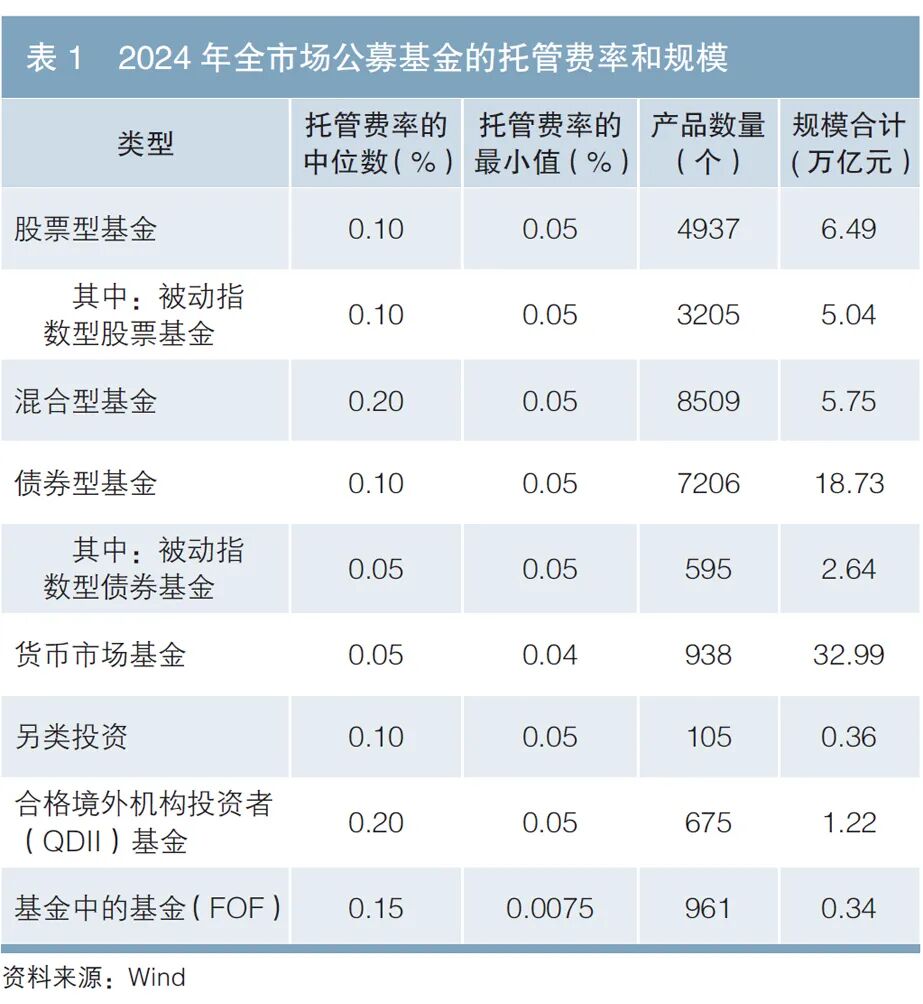
Core Insights - The asset custody business in China is experiencing significant growth, but faces challenges due to narrowing interest margins and increasing competition, leading to compressed custody fees and heightened operational risk management difficulties [1][2][10] - Internationally, asset custody institutions in Europe and the U.S. are adapting to low interest rate environments through innovative practices, suggesting that Chinese institutions should focus on cost control, business structure optimization, and technological empowerment to transition from basic service providers to financial ecosystem enablers [1][16][23] Industry Overview - The asset custody business in China has expanded rapidly since the introduction of regulatory frameworks in 1997, with an average annual growth rate of 31.73% from 2011 to 2020, making it one of the fastest-growing markets globally [3][4] - By the end of 2024, the total custody scale of asset management products in China's banking sector reached 182.20 trillion yuan, a year-on-year increase of 12.64% [4] Market Dynamics - The asset custody market is characterized by intense competition, with large commercial banks holding significant market shares. As of 2024, the top five custody banks accounted for 44.22% of the total custody scale, while the top ten accounted for 75.85% [6][7] - Smaller banks are struggling to compete directly with larger institutions and are focusing on differentiated services to carve out niche markets [7][8] Regulatory Environment - Recent regulatory policies have emphasized risk management and compliance, providing a clearer framework for the development of the asset custody industry [5][8] - The demand for asset custody services is driven by the growth of household wealth and the diversification of asset allocation, necessitating high standards of safety and transparency [5] Impact of Narrowing Interest Margins - The narrowing of interest margins has led to a structural impact on the asset custody business, primarily through the compression of custody fees and increased operational risk management challenges [10][12] - The traditional revenue model based on "price for volume" is under pressure, forcing custody institutions to lower fees to maintain competitiveness [10][12] Operational Challenges - The narrowing interest margins have increased the complexity of operational risk management, requiring custody institutions to enhance their capabilities in liquidity management and compliance [13][14] - The rise in market volatility and regulatory scrutiny has made it essential for custody institutions to adopt advanced risk management practices [13][14] Competitive Landscape - The competitive landscape is increasingly favoring larger institutions that can leverage economies of scale and technological advancements, while smaller institutions face challenges in maintaining profitability [14][15] - The trend towards consolidation and the need for technological investment are reshaping the market, with larger players dominating high-value services [14][15] Recommendations for Adaptation - To adapt to the challenges posed by narrowing interest margins, asset custody institutions should focus on restructuring their revenue models and enhancing operational efficiencies through technology [23][24] - Institutions are encouraged to develop a "custody+" ecosystem that integrates various financial services to meet the evolving needs of asset management [24][26]