
加油站作弊

Search documents
违法获利2000多万元,罚款才1300元!这种处罚能震慑谁?
Mei Ri Shang Bao· 2026-01-09 10:48
Core Viewpoint - The article highlights the rampant issue of fuel station fraud in Ordos City, where illegal practices such as "oil cheating and tax evasion" harm both consumers and national interests [1][3]. Group 1: Case Studies of Fraud - On August 19, 2025, the Ordos Market Supervision Administration imposed administrative penalties on the Hongli gas station, confiscating six defective fuel dispensers and 14 fuel nozzles, along with illegal gains of 20,679,001 yuan and a fine of 1,300 yuan [1]. - The same authority penalized three other gas stations under the same legal entity, confiscating a total of 16 fuel dispensers and 44 nozzles, with illegal gains ranging from over 2 million yuan to 460,000 yuan [1]. - The fines imposed, particularly the uniform amount of 1,300 yuan, raise concerns about their effectiveness in deterring such fraudulent activities [1]. Group 2: Regulatory Framework and Penalties - The local market supervision department justified the fines based on the Measurement Law, which allows for fines of up to 2,000 yuan for using unqualified measuring instruments or falsifying data [3]. - Other laws, such as the Consumer Rights Protection Law and the Administrative Penalty Law, could also apply in cases where consumer rights are violated, as demonstrated by a case in Nanjing where a seller was fined 32,000 yuan for overcharging based on incorrect weight [3]. - Tax evasion by gas stations is subject to severe penalties under the Tax Collection Administration Law, which can include fines of up to five times the unpaid tax amount and potential criminal charges for significant evasion [5]. Group 3: Public Sentiment and Recommendations - The public is increasingly frustrated with fuel station fraud, and the minimal fines, such as 1,300 yuan, are seen as insufficient to deter offenders [5]. - There is a call for stricter enforcement and harsher penalties to prevent fraud and protect consumer rights and national revenue [5].

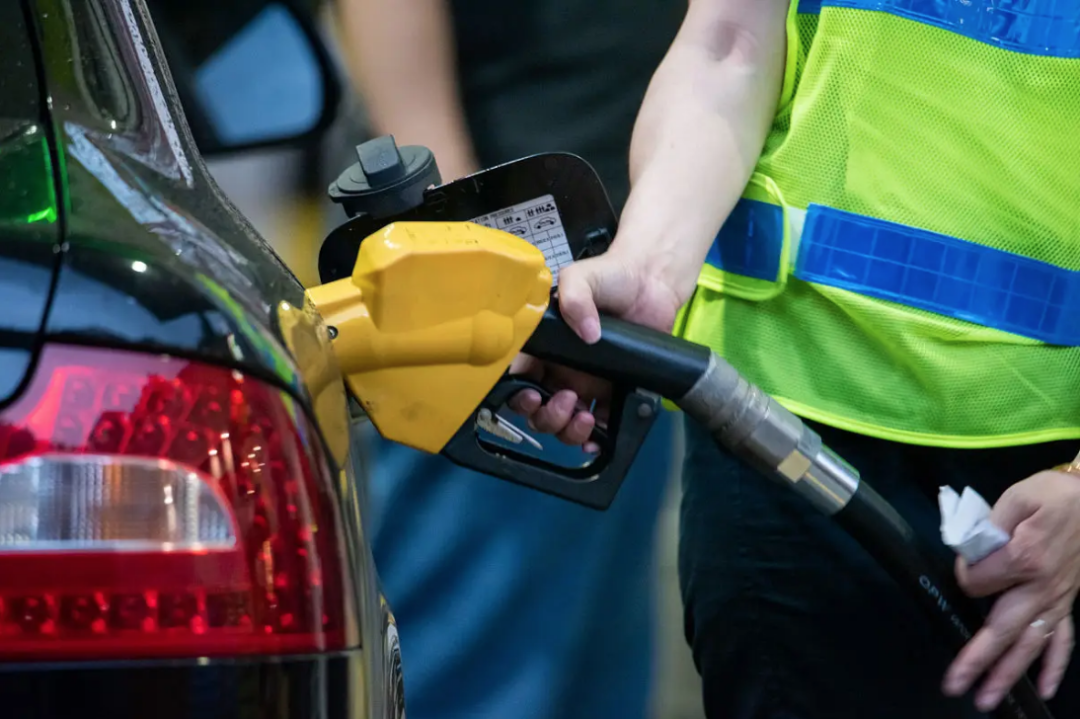
监管亮证的瞬间系统就恢复正常了
Xin Lang Cai Jing· 2026-01-08 00:25
Core Viewpoint - The recent surge in fuel station cheating has raised public concern, prompting investigations into how these illegal activities harm consumers and national interests, as well as the need for effective regulatory measures to ensure fair trading practices [1] Group 1: Cheating Methods and Cases - In Ordos City, Inner Mongolia, four fuel stations were severely punished for measurement fraud, with one station fined 1,300 yuan and having illegal gains of approximately 20.68 million yuan confiscated [2] - The fraudulent activities involved the use of a management system that allowed real-time data manipulation during fuel dispensing, leading to overcharging customers and tax evasion [2][3] - The cheating methods have evolved, with software enabling remote control of fuel dispensers, making it difficult for regulatory authorities to detect fraud without specialized equipment [4][5] Group 2: Regulatory Challenges and Responses - The market supervision department faces challenges in prosecuting these cases, as many are classified as administrative violations rather than criminal offenses, complicating enforcement [2][3] - A specialized technical team has been established to develop anti-cheating systems, successfully identifying 21 types of cheating software and 129 types of fraudulent computer motherboards used in fuel stations [6][7] - The introduction of an intelligent management platform aims to enhance real-time monitoring and evidence collection, significantly improving regulatory effectiveness [7] Group 3: Industry Dynamics and Future Outlook - The presence of "backpackers," who install cheating software, indicates a deeper issue involving collusion between fuel station operators and equipment manufacturers [8][9] - Continuous upgrades in both regulatory methods and cheating techniques suggest an ongoing battle between authorities and fraudsters, highlighting the need for persistent innovation in monitoring technologies [9][10] - Experts emphasize the importance of addressing maintenance loopholes and ensuring that repair personnel are properly vetted to prevent future cheating incidents [9][10]
“罚款1300元” 岂能震慑加油站作弊
Mei Ri Shang Bao· 2026-01-07 22:15
Core Viewpoint - The issue of gas station fraud has raised widespread social concern, with illegal activities harming both consumers and national interests [1] Group 1: Case Examples - On August 19, 2025, the Ordos Market Supervision Administration imposed administrative penalties on the Hongli gas station, confiscating six defective fuel dispensers and 14 fuel nozzles, along with illegal gains of 20,679,001 yuan and a fine of 1,300 yuan [1] - The same authority penalized three other gas stations under the same legal entity in Dalat Qi, confiscating 16 fuel dispensers and 44 fuel nozzles, with illegal gains exceeding 20 million yuan for one station and over 4.6 million yuan for another [1] - A similar case in Nanjing involved a consumer complaint about a gas station selling durians with incorrect weight, leading to a fine of 32,000 yuan and confiscation of the involved electronic scale [3] Group 2: Legal Framework - The penalties imposed by local authorities are based on the Measurement Law, which allows fines of up to 2,000 yuan for using unqualified measuring instruments or falsifying data [2] - The Consumer Rights Protection Law and the Administrative Penalty Law provide additional legal grounds for penalizing gas stations that infringe on consumer rights [3] - The Tax Collection and Administration Law stipulates that tax evasion can lead to fines ranging from 50% to five times the unpaid tax amount, with potential criminal charges for significant evasion [3] Group 3: Public Sentiment and Recommendations - The public is deeply frustrated with gas station fraud, and the current penalty of 1,300 yuan is insufficient to deter illegal activities [4] - There is a call for stricter penalties to prevent offenders from feeling they can escape consequences [4]

多计数少给油少缴税:加油站作弊“黑幕”大起底
Xin Hua Wang· 2026-01-07 00:38
Core Viewpoint - The recent rise in fuel station cheating has garnered widespread attention, highlighting the methods used to "cheat fuel and evade taxes," the impact on consumers and national interests, and the need for effective regulatory measures to ensure fair trading practices [1]. Group 1: Cheating Methods and Consequences - In Ordos City, Inner Mongolia, four fuel stations were severely punished for measurement cheating, with penalties including the confiscation of 16 fuel dispensers and over 20 million yuan in illegal gains [3]. - The cheating involved the installation of a management system that allowed real-time data manipulation during fuel dispensing, resulting in inflated fuel quantities and reduced tax payments [3]. - The macroeconomic impact of such cheating is significant, with estimates suggesting that a medium-sized fuel station could cause around 10 million yuan in economic losses annually due to tax evasion and consumer fraud [9]. Group 2: Regulatory Challenges - Regulatory bodies face difficulties in prosecuting these cases due to the low amounts involved in tax evasion and the challenges in gathering sufficient evidence against numerous transactions [4][5]. - The cheating methods have evolved, with software-based solutions becoming more common, making it harder for regulators to detect fraud without specialized equipment [7][8]. - A specialized technical team has been established to combat these issues, developing a database of cheating software and implementing a comprehensive management platform for fuel stations [10][11]. Group 3: Industry Response and Future Measures - The introduction of a new management platform has shown effectiveness in real-time monitoring and evidence collection, leading to a significant increase in tax revenue in regions where it has been implemented [14]. - Experts suggest that to fully eradicate cheating, there must be a focus on dismantling the networks behind these practices, including manufacturers and installers of cheating software [15]. - Continuous innovation in regulatory technology is necessary to stay ahead of evolving cheating methods, with ongoing development of advanced monitoring systems [15].
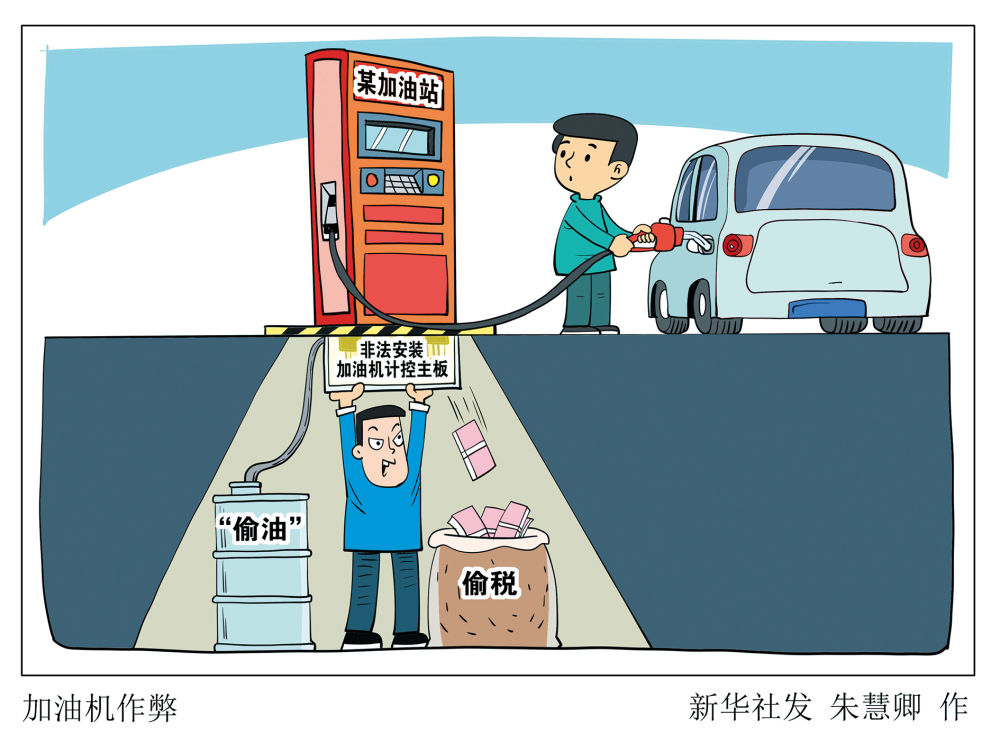
新华每日电讯起底加油站作弊黑幕:如何“骗油偷税”?根源在哪?
Xin Lang Cai Jing· 2026-01-06 23:38
Core Viewpoint - The recent surge in fuel station cheating has raised public concern, highlighting the methods used to "cheat fuel and evade taxes," the underlying causes, and the need for measures to ensure fair trading practices [1] Group 1: Cheating Methods and Incidents - In Ordos City, Inner Mongolia, four fuel stations were severely punished for measurement cheating, with penalties including the confiscation of 16 fuel dispensers and illegal gains totaling over 20 million yuan [2] - The cheating involved the installation of a management system that allowed real-time data manipulation during fuel dispensing, resulting in overcharging customers and tax evasion [2][4] - The cheating methods have evolved, with software enabling remote control of fuel dispensers, making it difficult for regulatory personnel to detect discrepancies without specialized equipment [5][7] Group 2: Regulatory Challenges - Regulatory authorities face significant challenges in prosecuting these cases due to the low amounts involved in tax evasion, which often do not meet the threshold for criminal charges [3][4] - The complexity of tracing individual consumer complaints and gathering sufficient evidence further complicates enforcement efforts [3][4] - Despite strict regulations, the prevalence of cheating remains high, with over 900 fuel stations identified as problematic across various regions [4][8] Group 3: Technological Solutions and Innovations - A specialized technical team in Inner Mongolia has developed a database to identify and combat various cheating software used in fuel stations, enhancing detection capabilities [8] - The introduction of an intelligent management platform aims to collect data, provide alerts, and secure evidence against cheating practices, with successful implementation in multiple regions [8][9] - Continuous upgrades to detection methods are necessary to keep pace with the evolving cheating techniques employed by fuel stations [13][15] Group 4: Legal and Structural Recommendations - Experts suggest that to effectively combat fuel station cheating, there must be a comprehensive approach that includes stricter penalties for all parties involved, including manufacturers and software providers [14] - Increasing the financial consequences of cheating and promoting public reporting mechanisms are essential for fostering a culture of compliance and accountability [14] - Establishing a mechanism for evaluating the integrity of fuel stations based on service quality could help ensure fair trading practices [14]