
智能监管

Search documents
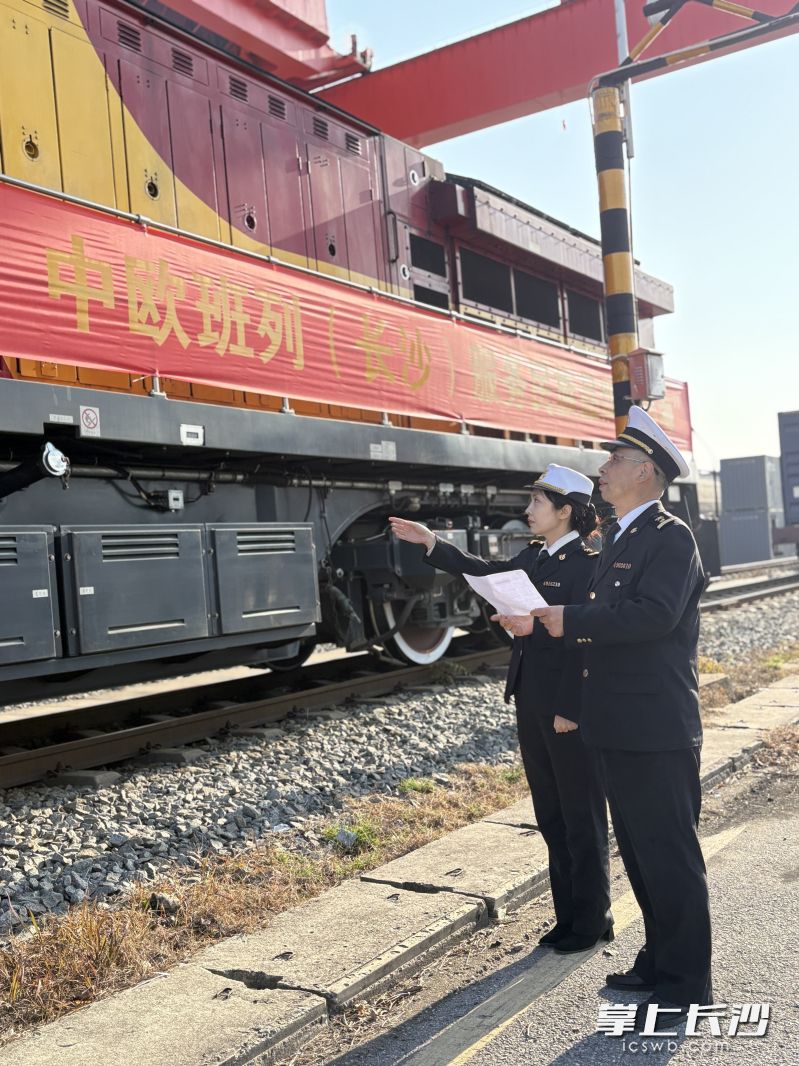
中欧班列(长沙)1月开行109列,同比增长101.9%
Xin Lang Cai Jing· 2026-02-12 12:20
Core Viewpoint - The China-Europe Railway Express (Changsha) is experiencing significant growth in cargo volume, with a strong increase in exports from various provinces, indicating a robust logistics network and support from customs authorities [3][4]. Group 1: Growth and Performance - In January 2026, the Starsha Customs supervised 109 China-Europe Railway Express (Changsha) trains, marking a year-on-year increase of 101.9% in import and export operations [3]. - In 2025, the China-Europe Railway Express (Changsha) achieved a total of 1,037 train operations, surpassing the 1,000 mark for the fifth consecutive year and maintaining its position among the top tier of national train operations [4]. - The cumulative total of the China-Europe Railway Express (Changsha) has exceeded 6,500 trains, with 12 regular "premium routes" covering nearly 30 countries and 100 cities across Eurasia [4]. Group 2: Operational Efficiency - The customs authorities have enhanced intelligent supervision and service quality, implementing the H986 large container intelligent inspection system to significantly improve inspection efficiency [4]. - The "pre-inspection before loading" regulatory model has reduced the inspection time for export consolidated cargo from 4 hours to 30 minutes, leading to an average reduction of 15% in overall logistics costs [4]. - A 24/7 customs clearance mechanism has been established, along with policies to reduce domestic freight costs for return trips, ensuring that policy benefits reach market entities effectively [5]. Group 3: Support for Local Economy - The customs department is actively supporting the construction of the second phase of the Hunan Central South Consolidation Center, promoting the upgrade of open platforms [5]. - The application of the "railway fast pass" and "port-area linkage" models has simplified customs declaration processes, shortening overall logistics time by 1 to 2 days [5].

“两客一危”智能监管护航我省春运安全
Xin Lang Cai Jing· 2026-02-07 17:44
Group 1 - The core viewpoint of the news is the implementation of an intelligent monitoring platform for key operational vehicles in Qinghai Province, which aims to enhance safety during the Spring Festival transportation period [1] - The intelligent monitoring platform has monitored a total of 3,959 vehicles and sent 34,494 safety voice alerts since the beginning of the Spring Festival [1] - The system can capture driver facial expressions and actions to analyze 13 types of risky behaviors, including speeding and fatigue driving, generating alerts for self-correction and sending warnings to management platforms [1] Group 2 - A dynamic management system for "precise coding" has been established to evaluate and update the operational status of key vehicles, with 191 companies currently assigned safety codes [2] - The implementation of "red and yellow code" monitoring allows for targeted interventions and closed-loop rectifications, shifting from passive responses to proactive prevention [2] - The regulatory efficiency and risk prevention levels have been significantly improved through this transition from general inspections to precise guidance [2]
质量引领 质效共升
Zhong Guo Zhi Liang Xin Wen Wang· 2026-01-14 07:01
Core Viewpoint - The article highlights the achievements of the Shaoling District in Luoyang, Henan Province, in promoting high-quality development through a quality-driven strategy, showcasing significant improvements in various industries and quality standards [1][2][4]. Group 1: Industry Performance - The food industry in Shaoling District has an output value exceeding 8 billion yuan, while the pet economy surpasses 1.5 billion yuan, and the equipment manufacturing industry approaches 4 billion yuan [1]. - The district aims for a three-year industrial scale to exceed 80 billion yuan, with a standard coverage rate of 98% and a 30% increase in the number of well-known brands [2]. - The agricultural product safety inspection pass rate is reported at 99.2%, with 107 production entities included in the national agricultural product quality safety traceability platform [2]. Group 2: Quality Infrastructure and Support - Shaoling District has established a testing and inspection system covering over 1,200 parameters, supporting 156 enterprises and resolving 238 quality issues, saving over 5 million yuan in production costs [3]. - The district has implemented "smart supervision" in 2,150 catering units, increasing the detection rate of violations by 80% compared to traditional methods [3]. - The establishment of 35 smart cold storage facilities and 42 industrial enterprises with "smart workshops" enhances real-time product quality monitoring and traceability [3]. Group 3: Brand Development and Community Engagement - The district has developed a multi-tiered brand matrix, including one provincial quality award-winning enterprise and 19 municipal quality award-winning enterprises [4]. - Local specialty products like Baizhuang sweet potatoes have achieved an annual output value of over 12 million yuan, contributing to the brand growth [4]. - Community engagement is evident with 86 promotional activities conducted, involving 50,000 participants, and a high complaint resolution rate of 99.5% [4].

监管亮证的瞬间系统就恢复正常了
Xin Lang Cai Jing· 2026-01-08 00:25
Core Viewpoint - The recent surge in fuel station cheating has raised public concern, prompting investigations into how these illegal activities harm consumers and national interests, as well as the need for effective regulatory measures to ensure fair trading practices [1] Group 1: Cheating Methods and Cases - In Ordos City, Inner Mongolia, four fuel stations were severely punished for measurement fraud, with one station fined 1,300 yuan and having illegal gains of approximately 20.68 million yuan confiscated [2] - The fraudulent activities involved the use of a management system that allowed real-time data manipulation during fuel dispensing, leading to overcharging customers and tax evasion [2][3] - The cheating methods have evolved, with software enabling remote control of fuel dispensers, making it difficult for regulatory authorities to detect fraud without specialized equipment [4][5] Group 2: Regulatory Challenges and Responses - The market supervision department faces challenges in prosecuting these cases, as many are classified as administrative violations rather than criminal offenses, complicating enforcement [2][3] - A specialized technical team has been established to develop anti-cheating systems, successfully identifying 21 types of cheating software and 129 types of fraudulent computer motherboards used in fuel stations [6][7] - The introduction of an intelligent management platform aims to enhance real-time monitoring and evidence collection, significantly improving regulatory effectiveness [7] Group 3: Industry Dynamics and Future Outlook - The presence of "backpackers," who install cheating software, indicates a deeper issue involving collusion between fuel station operators and equipment manufacturers [8][9] - Continuous upgrades in both regulatory methods and cheating techniques suggest an ongoing battle between authorities and fraudsters, highlighting the need for persistent innovation in monitoring technologies [9][10] - Experts emphasize the importance of addressing maintenance loopholes and ensuring that repair personnel are properly vetted to prevent future cheating incidents [9][10]
多计数少给油少缴税:加油站作弊“黑幕”大起底
Xin Hua Wang· 2026-01-07 00:38
Core Viewpoint - The recent rise in fuel station cheating has garnered widespread attention, highlighting the methods used to "cheat fuel and evade taxes," the impact on consumers and national interests, and the need for effective regulatory measures to ensure fair trading practices [1]. Group 1: Cheating Methods and Consequences - In Ordos City, Inner Mongolia, four fuel stations were severely punished for measurement cheating, with penalties including the confiscation of 16 fuel dispensers and over 20 million yuan in illegal gains [3]. - The cheating involved the installation of a management system that allowed real-time data manipulation during fuel dispensing, resulting in inflated fuel quantities and reduced tax payments [3]. - The macroeconomic impact of such cheating is significant, with estimates suggesting that a medium-sized fuel station could cause around 10 million yuan in economic losses annually due to tax evasion and consumer fraud [9]. Group 2: Regulatory Challenges - Regulatory bodies face difficulties in prosecuting these cases due to the low amounts involved in tax evasion and the challenges in gathering sufficient evidence against numerous transactions [4][5]. - The cheating methods have evolved, with software-based solutions becoming more common, making it harder for regulators to detect fraud without specialized equipment [7][8]. - A specialized technical team has been established to combat these issues, developing a database of cheating software and implementing a comprehensive management platform for fuel stations [10][11]. Group 3: Industry Response and Future Measures - The introduction of a new management platform has shown effectiveness in real-time monitoring and evidence collection, leading to a significant increase in tax revenue in regions where it has been implemented [14]. - Experts suggest that to fully eradicate cheating, there must be a focus on dismantling the networks behind these practices, including manufacturers and installers of cheating software [15]. - Continuous innovation in regulatory technology is necessary to stay ahead of evolving cheating methods, with ongoing development of advanced monitoring systems [15].
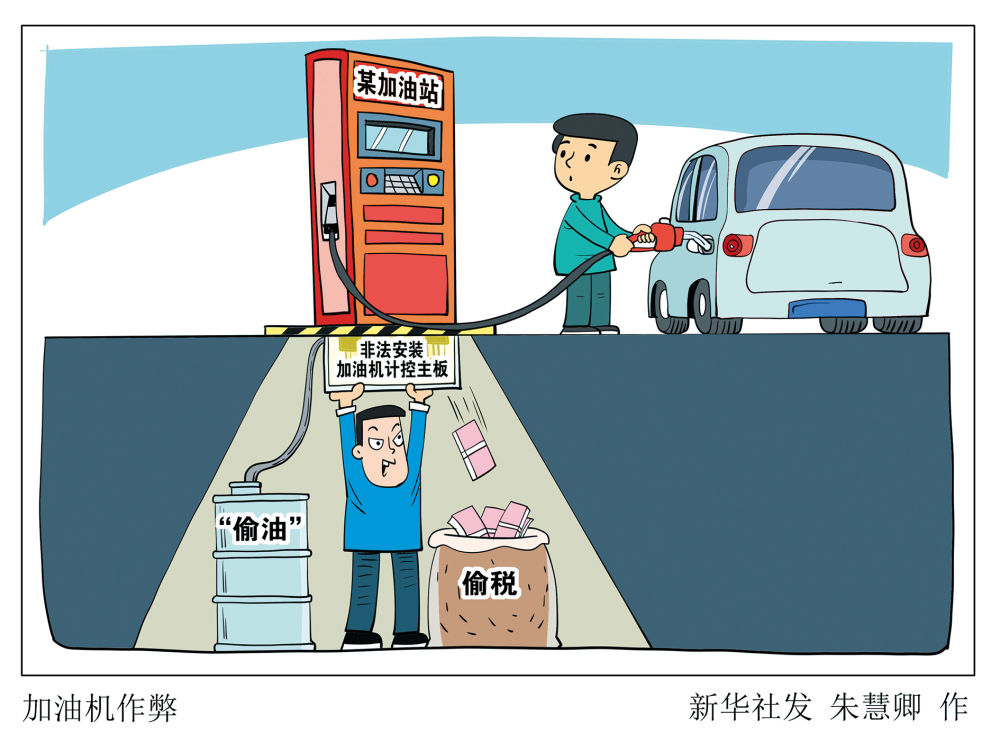
新华每日电讯起底加油站作弊黑幕:如何“骗油偷税”?根源在哪?
Xin Lang Cai Jing· 2026-01-06 23:38
Core Viewpoint - The recent surge in fuel station cheating has raised public concern, highlighting the methods used to "cheat fuel and evade taxes," the underlying causes, and the need for measures to ensure fair trading practices [1] Group 1: Cheating Methods and Incidents - In Ordos City, Inner Mongolia, four fuel stations were severely punished for measurement cheating, with penalties including the confiscation of 16 fuel dispensers and illegal gains totaling over 20 million yuan [2] - The cheating involved the installation of a management system that allowed real-time data manipulation during fuel dispensing, resulting in overcharging customers and tax evasion [2][4] - The cheating methods have evolved, with software enabling remote control of fuel dispensers, making it difficult for regulatory personnel to detect discrepancies without specialized equipment [5][7] Group 2: Regulatory Challenges - Regulatory authorities face significant challenges in prosecuting these cases due to the low amounts involved in tax evasion, which often do not meet the threshold for criminal charges [3][4] - The complexity of tracing individual consumer complaints and gathering sufficient evidence further complicates enforcement efforts [3][4] - Despite strict regulations, the prevalence of cheating remains high, with over 900 fuel stations identified as problematic across various regions [4][8] Group 3: Technological Solutions and Innovations - A specialized technical team in Inner Mongolia has developed a database to identify and combat various cheating software used in fuel stations, enhancing detection capabilities [8] - The introduction of an intelligent management platform aims to collect data, provide alerts, and secure evidence against cheating practices, with successful implementation in multiple regions [8][9] - Continuous upgrades to detection methods are necessary to keep pace with the evolving cheating techniques employed by fuel stations [13][15] Group 4: Legal and Structural Recommendations - Experts suggest that to effectively combat fuel station cheating, there must be a comprehensive approach that includes stricter penalties for all parties involved, including manufacturers and software providers [14] - Increasing the financial consequences of cheating and promoting public reporting mechanisms are essential for fostering a culture of compliance and accountability [14] - Establishing a mechanism for evaluating the integrity of fuel stations based on service quality could help ensure fair trading practices [14]
“船舶智能点验系统” 破解“黑色五小时”难题
Xin Lang Cai Jing· 2026-01-06 22:38
Core Insights - The article discusses the increasing risk of ship collisions due to rising maritime traffic, particularly during the vulnerable hours between 11 PM and 4 AM, referred to as the "black five hours" [1] - The Ministry of Transport's Beihai Maritime Safety Center has developed and piloted the "Vessel Intelligent Inspection System" to enhance safety supervision through technological innovation [2] Group 1: Collision Risks and Challenges - The minimum encounter distance between merchant ships and fishing vessels is less than 0.5 nautical miles, with minimum encounter times under 20 minutes, leading to urgent encounter situations [1] - Traditional manual inspection methods used by maritime management agencies are becoming less effective due to increased vessel traffic, low automation levels, and difficulties in evidence collection, especially during nighttime and adverse weather conditions [1] Group 2: Technological Solutions - The "Vessel Intelligent Inspection System" was created to address the challenges of traditional inspection methods, enabling 24/7 unmanned precise inspections, improving inspection efficiency by 50%, and reducing regulatory response times to minutes [2] - In Weihai, the system can achieve 100% automatic inspections of vessels entering the electronic fence area within one minute, effectively guiding merchant and fishing vessels to follow recommended routes and reducing collision probabilities [2] - The system is currently being trialed in maritime departments in Qingdao, Weihai, and Lianyungang, with plans to gradually expand its pilot scope to benefit more maritime areas [2]
智能无人机助力三峡库区海事监管
Xin Hua She· 2025-12-28 02:56
Core Insights - The introduction of a new six-rotor intelligent patrol drone enhances maritime supervision in the Three Gorges Reservoir area, featuring advanced capabilities for efficient monitoring [2] Group 1: Drone Capabilities - The drone has a maximum flight altitude of 400 meters and a round-trip distance exceeding 30 kilometers, with a flight duration of over 45 minutes [2] - It includes features such as personalized route customization, real-time hovering for image capture, remote one-click patrol, and intelligent warning alerts [2] Group 2: Impact on Maritime Safety - The deployment of this drone technology is expected to inject new technological momentum into the safety supervision of shipping in the Yangtze River within the reservoir area [2]
数智联盟打造全球数字资产确权与数字人民币跨境结算重要基础设施
Sou Hu Cai Jing· 2025-12-03 00:27
Core Viewpoint - The establishment of the Digital Intelligence Alliance marks a strategic response to the accelerating global digital economy and the restructuring of the international financial system, positioning itself as a key player in building digital financial infrastructure for the future [1][14]. Group 1: Global Trends in Digital Economy - The global financial technology competition has entered a new phase, with digital currencies becoming a crucial focus for international finance [1]. - Asset tokenization is emerging as a new standard in the financial industry, ensuring data credibility, transparency, and immutability [2]. - Intelligent regulation is evolving as a key direction for global regulatory systems, emphasizing risk warning, cross-border compliance, and data traceability [3]. - These trends are collectively driving a reconstruction window for global digital financial infrastructure [4]. Group 2: Core Positioning of the Digital Intelligence Alliance - The Digital Intelligence Alliance aims to be a participant and builder of global digital asset infrastructure, focusing on four main areas: asset rights confirmation, payment settlement, on-chain governance, and inclusive finance [6][7]. - Key initiatives include the establishment of a unified, trustworthy, and verifiable digital asset custody platform, which will cover asset ownership registration, digital certificate generation, data storage, and cross-border asset recognition [8]. - The alliance will promote a traceable and auditable governance system for digital assets, achieving full data transparency, automated compliance checks, intelligent risk monitoring, and verifiable transaction paths [9]. - The construction of a cross-border payment and settlement system for the digital yuan will expand its application in international trade and supply chain finance [10][11]. - The alliance will assist in the digital upgrade of international trade and supply chain finance, focusing on the digitization of trade certificates and the on-chain confirmation of orders and receivables [12][13]. Group 3: Building International Digital Financial Standards - The Digital Intelligence Alliance will transition from a single platform to a participant in international digital financial standards, focusing on the standardization of international digital asset management rules and the formulation of cross-border usage norms for the digital yuan [6][7]. - Collaboration mechanisms with overseas nodes and international organizations will be established to support the internationalization of the renminbi [13]. Group 4: Contribution to Global Financial Order - The official launch of the Digital Intelligence Alliance represents a significant step in upgrading China's digital financial system and is a product of the new phase of the global digital economy [14]. - By constructing an open, compliant, and sustainable digital financial infrastructure, the alliance aims to provide long-term value for national strategies, international trade, and public users [14].


智能监管筑牢信息化项目建设廉洁防线
Zhong Yang Ji Wei Guo Jia Jian Wei Wang Zhan· 2025-09-24 01:29
Core Viewpoint - The 20th Central Commission for Discipline Inspection emphasizes the use of big data and information technology to enhance anti-corruption efforts and improve project management in the housing and urban-rural development sector [1] Group 1: Digital Transformation in Project Management - The digital transformation in various industries has led to increased investment in information technology projects, which are characterized by high technical complexity, strong professional barriers, and significant capital intensity [1] - The Ministry of Housing and Urban-Rural Development's Information Center is focusing on supervising and preventing integrity risks in information technology projects by developing a management platform that promotes online management of project data [1][2] Group 2: Digitalization of Key Processes - The project management platform incorporates digital modules for cost management, project approval, bidding agency selection, contract signing, and progress evaluation to ensure compliance and efficiency [2] - A digital cost management module allows for the upload of budget standards and cost reports, facilitating preemptive budget assessments [2] - The platform mandates joint approval from relevant departments for key project stages, ensuring procedural compliance and rationality in project demands [2] Group 3: Preemptive Monitoring and Risk Management - The platform integrates pre-warning rules for key risk areas, enabling dynamic monitoring and real-time alerts to strengthen supervision during project execution [3][4] - Cost pre-warning mechanisms analyze budget increases and flag potential inflation of costs, while procurement methods are monitored to identify any irregularities [3] - Contract change monitoring is implemented to detect unusual behaviors such as frequent supplementary agreements or budget increases without written justification [4] Group 4: Multi-Dimensional Supervision - The project management platform establishes various databases to enhance oversight of financial flows, personnel movements, and project progress [5] - Financial flow supervision focuses on discrepancies between contract stipulations and actual payments, generating alerts for abnormal transactions [5] - Personnel flow supervision identifies high-risk relationships between parties involved in projects, triggering alerts for compliance checks [5]