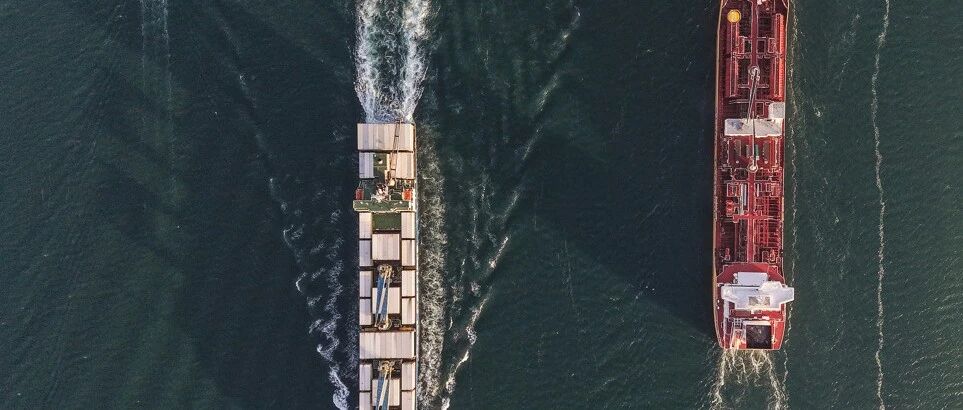
化肥供应中断

Search documents
霍尔木兹海峡,“卡住”近百万吨化肥
财联社· 2026-03-13 12:45
Group 1 - The article highlights the significant disruption in the global fertilizer supply chain due to approximately 980,000 tons of fertilizer-laden ships being stranded in the Persian Gulf, raising concerns about supply and demand dynamics [1] - As of the latest data, there are 21 bulk carriers in the region, carrying various fertilizers including 463,000 tons of urea, 303,000 tons of sulfur, and 105,000 tons of phosphate [2] - The Middle East is a major exporter of chemical fertilizers, producing 22 to 30 million tons of sulfur and 30 to 38 million tons of urea annually, with over half of the sulfur and more than 30% of urea exported through the Strait of Hormuz [2] Group 2 - The German Chemical Industry Association (VCI) has reported early signs of supply chain disruptions in the chemical sector due to the Middle East conflict, with concerns spreading to ammonia, phosphate fertilizers, helium, and sulfur [3] - Capital markets are reacting to these supply disruptions, with companies like Mosaic and CF Industries seeing significant stock price increases, with CF Industries leading the S&P 500 index to new highs [3] Group 3 - The rising fertilizer prices are directly linked to food inflation, prompting political scrutiny in the U.S., particularly from Senator Josh Hawley, who questioned CF Industries about price increases exceeding the level of supply disruption [4] - Following the outbreak of the Iran conflict, urea prices surged by 32% in just 12 days, from approximately $516 per ton to $683 per ton, coinciding with the spring planting season [5] - As of March 9, the North American fertilizer price index has risen to over $810 per ton, surpassing the previous high of $776.85 set in August 2025 [5]