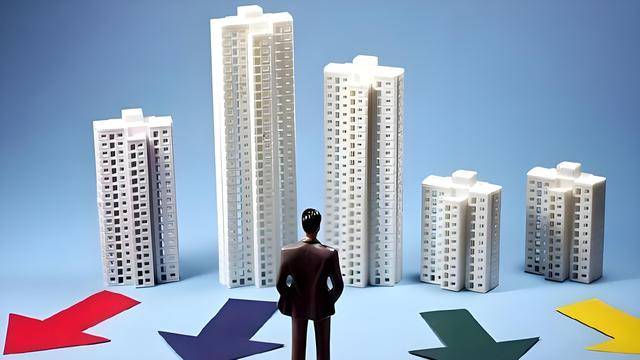
北京楼市香港化

Search documents
恐慌式炒房终结?北京楼市变天,三大命门曝光,香港老路走不通了
Sou Hu Cai Jing· 2025-11-29 21:31
Core Viewpoint - The comparison between Beijing and Hong Kong's real estate markets is superficial, as they fundamentally operate under different systems and conditions [3][9][26] Group 1: Similarities - In both Beijing and Hong Kong, prime location properties are highly valued and serve as status symbols and wealth preservation tools [5][7] - Properties in central areas of both cities command exorbitant prices, with Hong Kong's luxury apartments priced at around 450,000 HKD per square meter and Beijing's top school district homes at approximately 300,000 RMB per square meter [5][9] Group 2: Fundamental Differences - The land availability is drastically different; Hong Kong has limited land for development, with fewer than 10,000 new residential units added annually, while Beijing has significantly more land and development potential [11][13] - Policy frameworks diverge, with Hong Kong's market being largely driven by capital and having minimal government intervention, whereas Beijing enforces strict regulations to ensure housing is primarily for living, not speculation [14][16] - Housing security measures in Beijing are more comprehensive, with a clear goal to provide various types of affordable housing, contrasting with Hong Kong's inadequate public housing supply [18][20] Group 3: Recent Developments - Beijing's recent land supply plans focus on developing suburban areas, indicating a strategy to alleviate pressure on central districts and improve living conditions in new urban areas [20][22] - The quality and location of affordable housing projects in Beijing are improving, with many being situated near transportation and employment hubs, reflecting a targeted approach to housing policy [22][24] - The overall strategy in Beijing emphasizes a balanced and healthy real estate market, ensuring that all income levels can find suitable housing, which is distinct from Hong Kong's market dynamics [24][26]