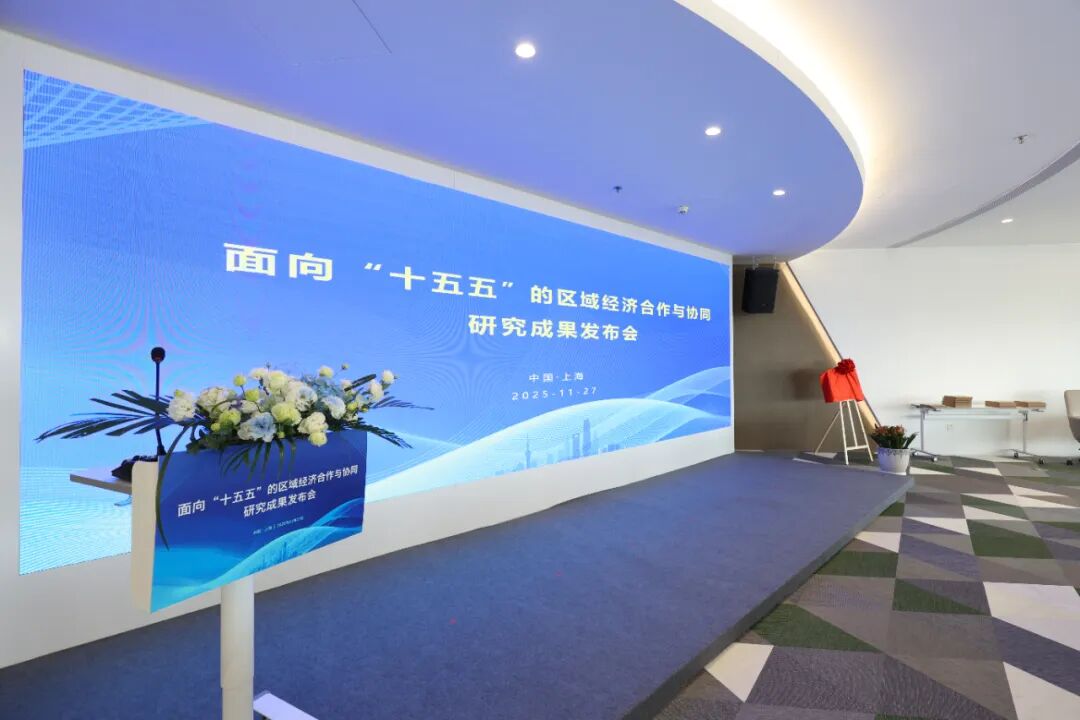
区域经济合作与协同

Search documents
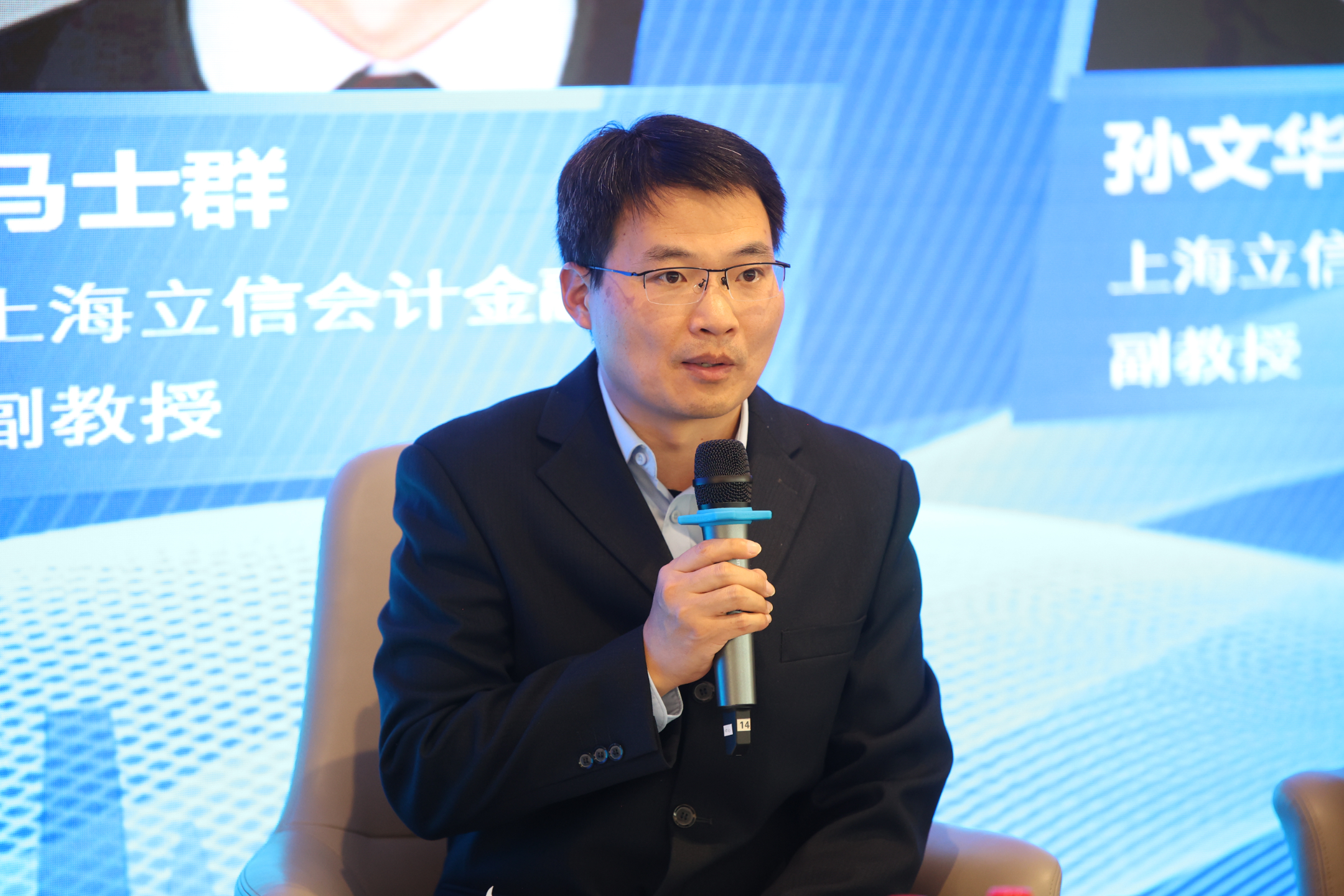
马士群:长三角区域科创合作迈入“价值共创”
Guo Ji Jin Rong Bao· 2025-12-01 05:30
Core Insights - The research indicates that the collaboration in the Yangtze River Delta has progressed from a basic stage of "resource sharing" to an advanced stage of "value co-creation," showcasing new characteristics and trends in technological innovation [1] Group 1: Spatial Restructuring - The technological innovation landscape has shifted from a "single point" approach to a "point-line-surface corridor" system layout, establishing a three-dimensional regional innovation network [3] - Key innovation hubs include Shanghai Zhangjiang Science City, Hangzhou Future Technology City, and Hefei Comprehensive National Science Center, supported by the G60 Innovation Corridor and high-speed rail network [4] Group 2: Power Upgrade - The driving force for innovation has evolved from "administrative push" to a dual mechanism of "market + institutional" support, essential for sustainable development [4] - The G60 Innovation Corridor's technology contract transaction volume accounts for 8.5% of the national total, with the sixth technology achievement auction exceeding 12 billion yuan, indicating a strong market-driven collaborative effect [4] Group 3: Deepening Cooperation - The collaboration has transitioned from "one-way transfer" to "value co-creation," with a new division of labor emerging in industries like quantum technology, involving precise roles across different regions [4] - Policies facilitating talent recognition and shared research facilities have broken down barriers to resource flow, enhancing cooperation [4] Group 4: Challenges and Recommendations - Despite notable achievements, challenges remain, including a lack of disruptive breakthroughs, uneven resource distribution, and low efficiency in converting research outcomes into productive forces [5] - Recommendations include focusing on cultivating landmark achievements, optimizing resource distribution, and streamlining the outcome conversion chain to foster new industrial clusters [5] - The core of collaboration in the Yangtze River Delta lies in market orientation, encouraging cities to leverage their strengths for deep cooperation and value co-creation [5]

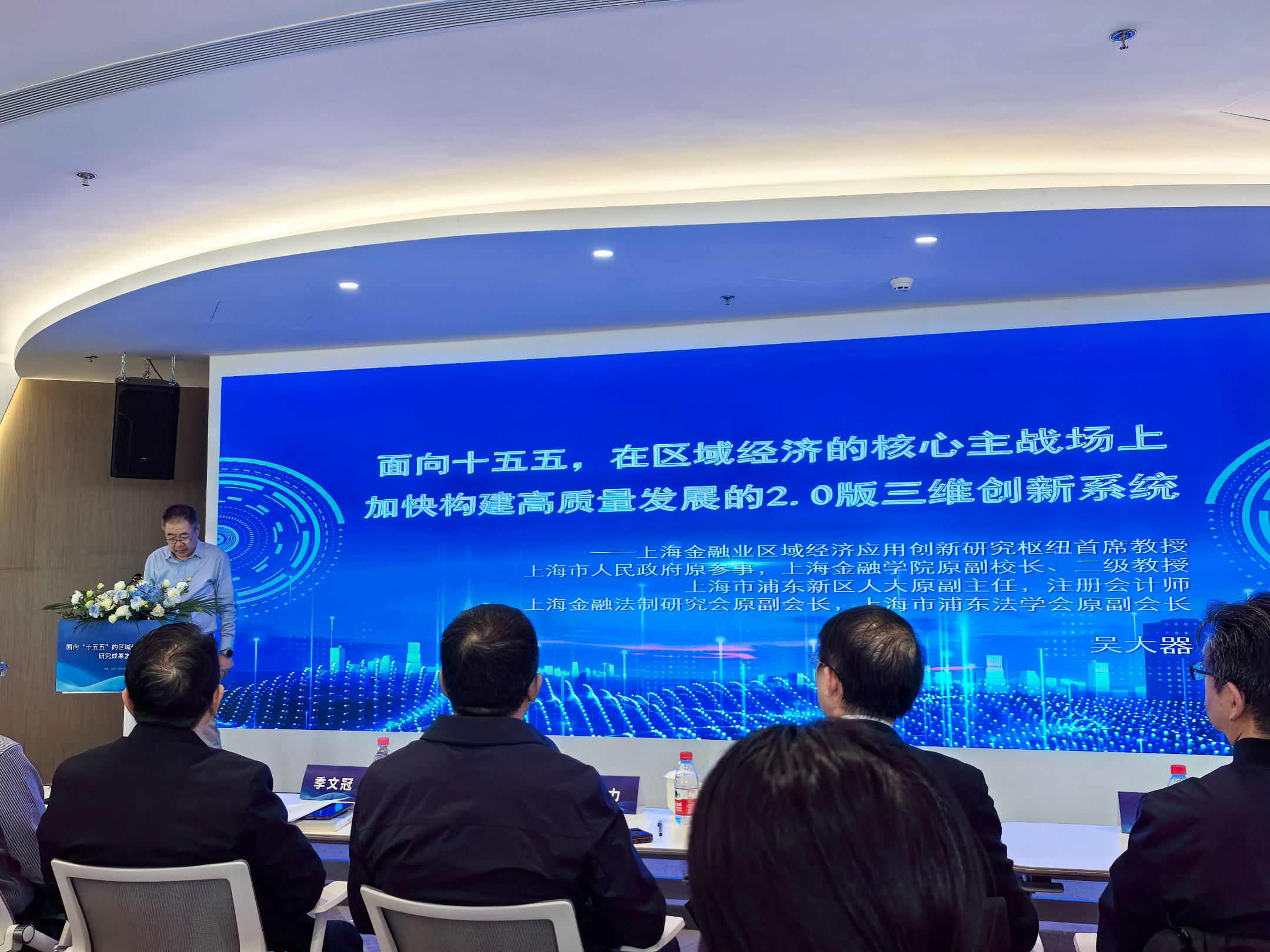
吴大器:加速推进长三角区域经济高质量发展2.0版创新系统构建
Guo Ji Jin Rong Bao· 2025-12-01 05:29
Core Insights - The event held in Shanghai focused on the release of research results regarding regional economic cooperation and collaboration, specifically targeting the "14th Five-Year Plan" and the development of a high-quality economic model for the Yangtze River Delta region [1] Group 1: Research Development and Achievements - From 2018 to 2020, the team led by Wu Daqi developed a model for high-quality regional economic development, focusing on industrial cluster growth, financial service support, and economic application research, resulting in the establishment of a 1.0 version integrated economic security system for the Yangtze River Delta [3] - The research shifted from 2020 to 2024 towards how finance can better serve economic development, culminating in the publication of a book that explores the integration of finance with regional economic development [3][4] Group 2: Key Research Findings - The team identified five key viewpoints regarding regional economic cooperation: 1. Regional economy is the "core midfield" of China's high-quality economic development 2. The importance of regional economic cooperation must be elevated in the context of Chinese-style modernization 3. The construction of a mid-level regional economic model is crucial for the "14th Five-Year Plan" 4. The need to highlight the integration effects within regional economies 5. Accelerating similar regional economic collaboration is essential for government initiatives during the "14th Five-Year Plan" [5] Group 3: 2.0 Version System Framework - The 2.0 version system research has produced initial results, creating a framework that includes an institutional guarantee system, a technology-leading system, and a financial empowerment system, aligning with the demands of Chinese-style modernization and the development trends of the Yangtze River Delta [5] - The institutional guarantee system emphasizes the characteristics of hierarchy, market orientation, and government collaboration, covering nine key areas such as unified market access and exit systems, regional credit cooperation, and talent market construction [6] - The technology-leading system proposes three main viewpoints, focusing on the role of technological innovation in driving regional economic development and supporting the national strategy for technological advancement [6] Group 4: Financial Empowerment System - The financial empowerment system aligns with the central government's financial work meeting spirit, focusing on serving new productive forces and advanced manufacturing [7] - The system outlines five mechanisms for resource optimization, including fund allocation and risk control, and emphasizes the role of finance in promoting industrial upgrades and technological innovation [7] - The financial empowerment system is positioned as a vital channel for cooperation and collaboration within the Yangtze River Delta, aiming to lead regional and national economic high-quality development [7]
面向“十五五”,政产学研媒共话区域经济高质量发展
Guo Ji Jin Rong Bao· 2025-11-28 02:34
Core Viewpoint - The recent conference on regional economic cooperation and collaboration focuses on the "14th Five-Year Plan" and aims to provide intellectual support and practical references for high-quality regional economic development through the release of mid-term research results and application system construction [1][3]. Group 1: Research Outcomes and Their Importance - The research outcomes presented are foundational for regional economic and cooperative development under the "14th Five-Year Plan," emphasizing their forward-looking nature and practical value [3]. - The series of research results showcases the collaboration among government, industry, academia, research, and media, highlighting their theoretical and practical significance in regional economic cooperation [5]. - The research includes three main outcomes: a model for high-quality development in the Yangtze River Delta, exploration of Shanghai's international financial center construction, and reflections on regional economic cooperation and collaboration [9]. Group 2: Systems and Frameworks - The proposed system consists of three integrated components: institutional guarantee system, innovation-driven system, and financial empowerment system, each addressing different aspects of regional economic development [11]. - The institutional guarantee system outlines the economic connotations and construction processes of the Yangtze River Delta, emphasizing the importance of market and government collaboration [11]. - The innovation-driven system focuses on the role of technological innovation in leading regional economic development, aligning with the strategy of becoming a strong technological nation [11]. Group 3: Expert Review and Recommendations - The expert review team found the research comprehensive, data-rich, and methodologically sound, providing forward-looking and actionable development strategies for regional economic cooperation [12]. - Recommendations include establishing a coherent introduction to the three subsystems, enhancing the institutional guarantee system, and optimizing the financial empowerment system to improve Shanghai's role in regional economic development [14]. Group 4: Collaborative Platforms and Initiatives - The "Yangtze River Delta Regional Economic Research Workshop" was established to promote in-depth research and facilitate collaboration among government, industry, academia, and media [16]. - The workshop aims to create a strong application research team composed of various stakeholders to support regional economic cooperation and collaboration [16]. - The first roundtable meeting of the workshop discussed the importance of cross-regional collaboration and the need for unified institutional rules to facilitate regional market integration [18][19].