G60科创走廊

Search documents
城记 | 从错位竞争到协同创新突围,上海如何下好产业发展“一盘棋”
Xin Lang Cai Jing· 2025-12-28 18:23
Core Insights - Shanghai's 14th Five-Year Plan has led to the emergence of distinct regional industrial brands, such as "Mosu Space" in Xuhui and "G60 Sci-tech Corridor" in Songjiang, establishing a foundation for differentiated competition and avoiding internal conflicts [1][2] - The city aims to enhance its core competitiveness and urban capabilities during the 15th Five-Year Plan by promoting regional coordination and integrating innovation, industry, finance, and talent chains [1][10] Group 1: Regional Industrial Development - Various districts have introduced new industrial labels during the 14th Five-Year Plan, indicating a focus on innovation and technology, with examples including "Shanghai Silicon Alley" in Changning and "Central Sci-tech Innovation Zone" in Huangpu [2][3] - Some districts have deepened and expanded their existing industrial layouts, such as Pudong's emphasis on being a "leading area" and Songjiang's elevation of the G60 Sci-tech Corridor to a national strategic platform [2][3] Group 2: Innovation and Collaboration - The trend of innovation is increasingly concentrated in urban centers, with characteristics such as lightweight transformation and high-frequency interactions among scientists, entrepreneurs, and investors [3] - The integration of urban renewal and innovation is exemplified by Xuhui's simultaneous efforts in urban redevelopment and the establishment of major strategic industrial clusters [3][6] Group 3: Technology Transfer and Talent Development - Districts have established partnerships with universities and research institutions, creating new mechanisms for market-oriented collaboration and enhancing the technology transfer chain from laboratories to markets [7][9] - Talent attraction initiatives, such as "Chunshen Talent Plan" in Minhang and various district-level industrial funds, are being implemented to support startups and reduce living costs for entrepreneurs [9] Group 4: Strategic Positioning for Future Growth - The concept of "first-move advantage" is emphasized as Shanghai prepares for the 15th Five-Year Plan, with districts acting as strategic pieces on a chessboard to foster collaboration and competitive positioning in key industries like semiconductors and AI [10][11] - The differentiated positioning and collaborative experiences developed during the 14th Five-Year Plan are expected to provide a foundation for avoiding homogenization in the upcoming planning period [10]


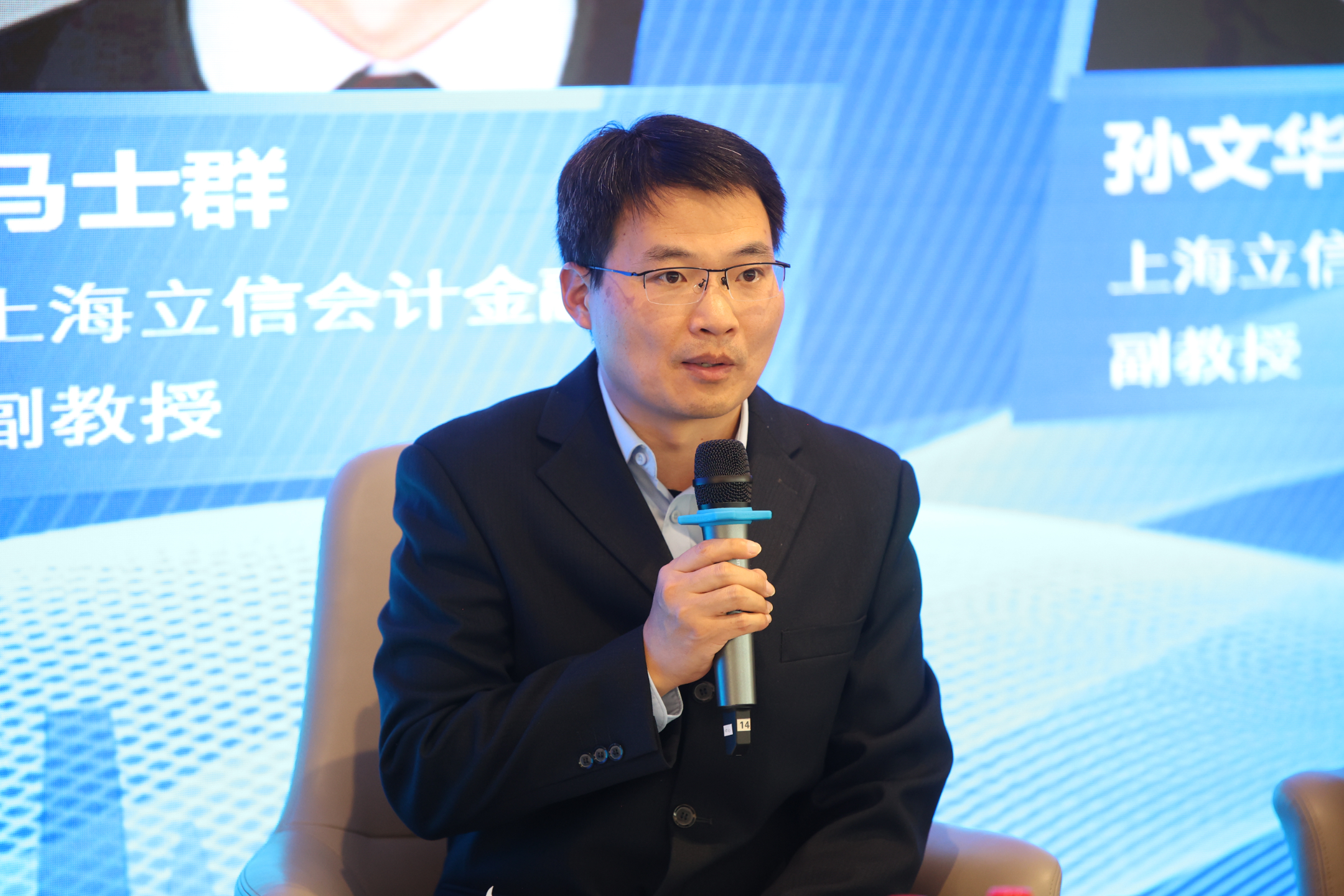
马士群:长三角区域科创合作迈入“价值共创”
Guo Ji Jin Rong Bao· 2025-12-01 05:30
Core Insights - The research indicates that the collaboration in the Yangtze River Delta has progressed from a basic stage of "resource sharing" to an advanced stage of "value co-creation," showcasing new characteristics and trends in technological innovation [1] Group 1: Spatial Restructuring - The technological innovation landscape has shifted from a "single point" approach to a "point-line-surface corridor" system layout, establishing a three-dimensional regional innovation network [3] - Key innovation hubs include Shanghai Zhangjiang Science City, Hangzhou Future Technology City, and Hefei Comprehensive National Science Center, supported by the G60 Innovation Corridor and high-speed rail network [4] Group 2: Power Upgrade - The driving force for innovation has evolved from "administrative push" to a dual mechanism of "market + institutional" support, essential for sustainable development [4] - The G60 Innovation Corridor's technology contract transaction volume accounts for 8.5% of the national total, with the sixth technology achievement auction exceeding 12 billion yuan, indicating a strong market-driven collaborative effect [4] Group 3: Deepening Cooperation - The collaboration has transitioned from "one-way transfer" to "value co-creation," with a new division of labor emerging in industries like quantum technology, involving precise roles across different regions [4] - Policies facilitating talent recognition and shared research facilities have broken down barriers to resource flow, enhancing cooperation [4] Group 4: Challenges and Recommendations - Despite notable achievements, challenges remain, including a lack of disruptive breakthroughs, uneven resource distribution, and low efficiency in converting research outcomes into productive forces [5] - Recommendations include focusing on cultivating landmark achievements, optimizing resource distribution, and streamlining the outcome conversion chain to foster new industrial clusters [5] - The core of collaboration in the Yangtze River Delta lies in market orientation, encouraging cities to leverage their strengths for deep cooperation and value co-creation [5]