
G60科创云

Search documents
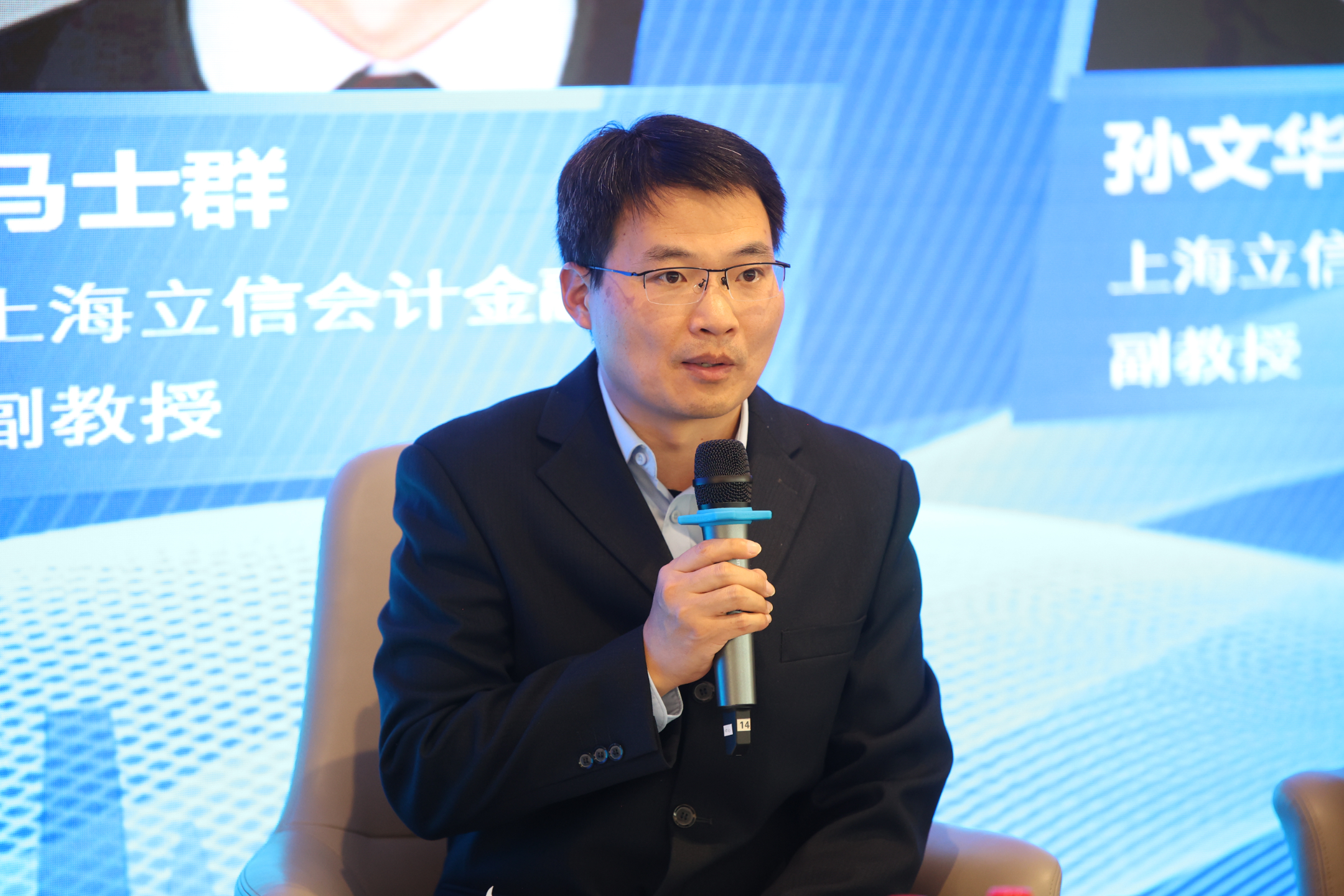
马士群:长三角区域科创合作迈入“价值共创”
Guo Ji Jin Rong Bao· 2025-12-01 05:30
Core Insights - The research indicates that the collaboration in the Yangtze River Delta has progressed from a basic stage of "resource sharing" to an advanced stage of "value co-creation," showcasing new characteristics and trends in technological innovation [1] Group 1: Spatial Restructuring - The technological innovation landscape has shifted from a "single point" approach to a "point-line-surface corridor" system layout, establishing a three-dimensional regional innovation network [3] - Key innovation hubs include Shanghai Zhangjiang Science City, Hangzhou Future Technology City, and Hefei Comprehensive National Science Center, supported by the G60 Innovation Corridor and high-speed rail network [4] Group 2: Power Upgrade - The driving force for innovation has evolved from "administrative push" to a dual mechanism of "market + institutional" support, essential for sustainable development [4] - The G60 Innovation Corridor's technology contract transaction volume accounts for 8.5% of the national total, with the sixth technology achievement auction exceeding 12 billion yuan, indicating a strong market-driven collaborative effect [4] Group 3: Deepening Cooperation - The collaboration has transitioned from "one-way transfer" to "value co-creation," with a new division of labor emerging in industries like quantum technology, involving precise roles across different regions [4] - Policies facilitating talent recognition and shared research facilities have broken down barriers to resource flow, enhancing cooperation [4] Group 4: Challenges and Recommendations - Despite notable achievements, challenges remain, including a lack of disruptive breakthroughs, uneven resource distribution, and low efficiency in converting research outcomes into productive forces [5] - Recommendations include focusing on cultivating landmark achievements, optimizing resource distribution, and streamlining the outcome conversion chain to foster new industrial clusters [5] - The core of collaboration in the Yangtze River Delta lies in market orientation, encouraging cities to leverage their strengths for deep cooperation and value co-creation [5]

全国政协常委周汉民:长三角G60科创走廊科技创新模式为区域协同提供了经验与借鉴
Zheng Quan Shi Bao Wang· 2025-08-19 05:20
Core Insights - The G60 Science and Technology Innovation Corridor serves as a model for regional collaborative development, positively impacting economic growth and providing valuable experiences for national and global technological innovation [1][2] Group 1: Institutional Innovation - The G60 Corridor breaks down administrative barriers and enhances resource sharing through innovative institutional mechanisms, such as the "central-local linkage, provincial and municipal support, and regional collaboration" model [2] - The establishment of a cross-regional knowledge property protection center exemplifies the innovative mechanisms that facilitate national collaborative development [2] Group 2: Economic Empowerment - The G60 Corridor enhances industrial competitiveness and innovation capabilities, focusing on strategic industries like aerospace, quantum communication, and artificial intelligence [3] - The region has accumulated 1,262 key laboratories and 36,500 high-tech enterprises, with companies listed on the Sci-Tech Innovation Board accounting for 20% of the national total, indicating a shift from "follower innovation" to "leading innovation" [3] Group 3: Social Contribution - The Corridor fosters a shared innovation ecosystem through talent mobility and public service sharing, establishing a talent integration development alliance [3] - The "1 + 365" technology achievement auction mechanism supports small and medium-sized enterprises with an annual transaction volume exceeding 30 billion [3] Group 4: Strategic Significance - The G60 Corridor acts as a core engine for the Yangtze River Delta integration, contributing 6.67% of the national GDP and 12.5% of the national import and export volume [4] - It provides a replicable collaborative path for national regional coordination development strategies [4] Group 5: Theoretical Practice - The G60 Corridor validates innovation ecosystem theories and explores the collaborative paradigm of "effective market + proactive government" [4] - It demonstrates the feasibility of "open innovation" theories at a regional scale through a comprehensive ecosystem from basic research to industrial collaboration [4] Group 6: Ecological Restructuring - The Corridor establishes a new paradigm of "innovation community" through efficient resource allocation and dynamic coupling of innovation and industrial chains [5] - It promotes the "on-demand flow" of technology, capital, and talent through cross-regional collaboration [5] Group 7: Industrial Upgrade - The G60 Corridor strengthens supply chain resilience and accelerates the transformation of old and new driving forces in strategic industries [6] - Traditional manufacturing is being digitally empowered to achieve comprehensive transformation [6] Group 8: Institutional Experimentation - The Corridor pioneers the "cross-regional technology innovation voucher" system, allowing enterprises to purchase technology services across cities [6] - It innovates governance models to avoid inefficiencies associated with administrative dominance [6] Group 9: Global Governance - The G60 Corridor promotes the internationalization of the innovation corridor model and enhances participation in global rule-making [6] - It has been referenced by regions in Southeast Asia and Africa, showcasing its global influence [6] Future Outlook - The G60 Corridor aims to upgrade to a "global innovation network hub," facilitating China's transition from a "world factory" to a "global innovation highland" [7] - Continued research and promotion of this model are recommended to unlock its potential for other regions [7]