
医保政策改革

Search documents
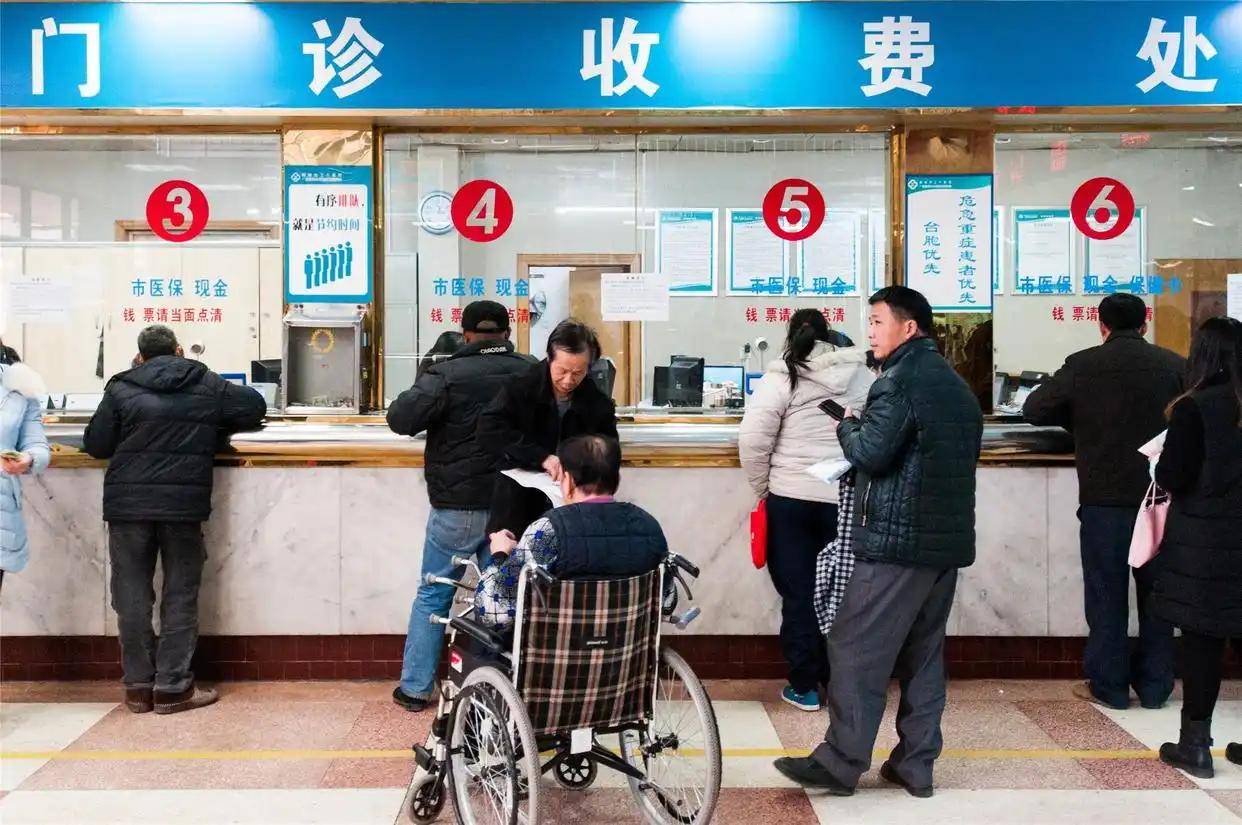
医保报销有了“新变化”?这“6项”费用或将踢出报销名单,事关参保人的利益
Sou Hu Cai Jing· 2025-12-09 02:36
Core Viewpoint - The article discusses the limitations of medical insurance (医保) coverage, highlighting six categories of expenses that are explicitly excluded from reimbursement under the 2025 medical insurance policy. It emphasizes the importance of understanding these exclusions to manage personal healthcare expenses effectively [1][9]. Summary by Categories Excluded Expenses - The first category of excluded expenses is those related to work injuries, which should be covered by work injury insurance rather than basic medical insurance [3]. - The second category includes expenses for which a third party is responsible, such as medical costs resulting from an assault or car accident, which should be covered by the responsible party's insurance [3]. - The third category encompasses public health expenses, including vaccinations and disease prevention measures, which are funded by the government and not reimbursed by medical insurance [4]. - The fourth category consists of expenses incurred from medical treatment abroad, including in Hong Kong, Macau, and Taiwan, which are not reimbursed under any circumstances [4]. - The fifth category includes wellness, fitness, and health check-up expenses, which are considered preventive rather than treatment-related and thus not covered by medical insurance [4]. - The sixth category is a broad clause allowing for the exclusion of other expenses deemed non-reimbursable by the national medical insurance authority [6]. Changes in Policy - Starting in 2025, a new incentive mechanism called "zero reimbursement incentive" will be introduced, rewarding individuals who do not use their medical insurance for a year with an increase in the maximum payment limit for major illness insurance, with a minimum increase of 1,000 yuan per year [6]. - Continuous enrollment incentives will also be implemented, allowing individuals who maintain continuous enrollment for four years to increase their major illness insurance limit for each subsequent year of continuous enrollment [6]. - A waiting period for reinstating medical insurance benefits has been established, requiring individuals who have been uninsured for over four years to wait a total of six months before their benefits are restored [7]. - The scope of personal medical insurance accounts will be expanded in 2025, allowing funds to be used for family members' medical expenses, enhancing the efficiency of insurance fund usage [7]. - New reimbursement policies for specific chronic and special diseases have been introduced, with some diseases having reimbursement rates as high as 95% and the removal of threshold fees for certain childbirth-related expenses [7]. Overall Implications - The 2025 medical insurance reform aims to balance basic coverage with waste prevention while expanding and optimizing coverage in certain areas [9]. - It is crucial for individuals to understand the boundaries of medical insurance coverage, as it does not cover all medical-related expenses, particularly preventive and wellness costs [9]. - For comprehensive protection, combining medical insurance with commercial health insurance is recommended to cover gaps in the medical insurance system [9].

华人健康:公司上半年整体客流增长较为明显、客单同环比均略有下降
Zheng Quan Ri Bao Wang· 2025-09-01 09:52
Core Viewpoint - The company reported a noticeable growth in overall customer traffic in the first half of the year, although the average transaction value showed a slight decline compared to previous periods [1] Group 1: Reasons for Customer Traffic Growth and Decline - Healthcare policy reforms have led to a reduction in individual account funds and changes in outpatient coordination policies, causing a shift of customer traffic back to hospitals and community clinics [1] - The emergence of new retail channels, particularly O2O platforms, has diverted traffic from traditional pharmacies due to competitive pricing and convenient delivery services [1] - Intense market competition has resulted in the number of pharmacies exceeding 700,000 nationwide, reducing the average number of customers served per store to around 2,000, thereby increasing operational pressure on individual stores [1] - Changes in consumer behavior indicate a trend towards more rational purchasing decisions, with increased price sensitivity and a focus on high cost-performance products and services [1]
上交所直击年报三大问题 大东方回复监管问询函
Zheng Quan Shi Bao Wang· 2025-06-03 13:20
Group 1 - Company responded to the Shanghai Stock Exchange's inquiry regarding long-term equity investments, other receivables, and low gross margin in its healthcare business [1] - Company listed five investment targets in various sectors including property rights, new materials, and real estate development, asserting no need for impairment provisions [1] - Other receivables for the years 2022 to 2024 were reported as 0.6 billion, 0.09 billion, and 1.11 billion respectively, with a significant portion related to loans to Zhejiang Junxu Real Estate Development Company [1][2] Group 2 - The company reported a significant decline in profitability in 2024, with healthcare business revenue of 2.838 billion, a year-on-year increase of 8.16%, and a gross margin of 7.55% [2] - The gross margin for the healthcare segment has been affected by various factors, including the introduction of new disciplines and changes in medical insurance policies [3] - The average gross margin for the company's hospitals has decreased over the past three years, primarily due to the impact of medical insurance reforms and drug procurement policies [3] Group 3 - The company noted that the gross margin for its pediatric growth and development services has gradually increased but remains low, primarily due to high costs associated with growth hormone treatments [3] - The market for long-acting growth hormones is expected to expand as public awareness of children's height management increases [4] - Currently, only 5% of patients express a willingness to undergo treatment, indicating significant growth potential in the market [4]

HCA Healthcare (HCA) 2025 Conference Transcript
2025-05-13 17:20
Summary of HCA Healthcare (HCA) 2025 Conference Call Company Overview - **Company**: HCA Healthcare (HCA) - **Industry**: Healthcare Services - **Event**: 2025 Conference Call on May 13, 2025 Key Points Financial Performance - **Q1 Performance**: Strong quarter with good volume growth and improved margins, attributed to operational leveraging and effective cost management [5][9] - **Net Revenue Growth**: Net revenue per unit increased by 3%, indicating solid top-line growth [9] - **EBITDA Growth**: EBITDA grew by 11% year-over-year, with a close to 9% growth when accounting for state supplemental payment impacts [33][34] Guidance and Sustainability - **Guidance Reaffirmation**: The company reaffirmed its guidance for the year, indicating a cautious approach due to the uncertain macro environment [6][8] - **Volume Growth Guidance**: Volume growth is projected at 3% to 4%, which is higher than the previous long-term target of 2% to 3% [26][32] Regulatory and Policy Environment - **Reconciliation Bill**: The draft bill is seen as largely maintaining current state supplemental payments, which is viewed positively, although it may limit future enhancement opportunities [11][12][13] - **Enhanced Premium Tax Credits (EPTCs)**: The company is advocating for the extension of EPTCs, which are crucial for coverage and cost of living for working families [15][16] Operational Insights - **Labor Trends**: The labor environment is stable, with improvements in retention rates returning to pre-pandemic levels. The company has invested in workforce development through partnerships with nursing schools [37][38][41] - **Professional Fees**: Professional fees are growing faster than inflation, with a reported 11% increase year-over-year. The company is working to stabilize these costs [42][43] Market Dynamics - **Ambulatory Surgery Centers (ASCs)**: The ASC business is experiencing mid-single-digit net revenue growth, although there have been slight volume declines in lower acuity cases [59][60] - **Non-Hospital Assets**: The company has expanded to 2,750 sites of care, with outpatient revenue growth outpacing inpatient revenue growth [61][62] Capital Allocation and Financial Strategy - **Leverage Ratio**: The leverage ratio stands at 3.1, within the targeted range of 2.75 to 3.75, indicating a strong balance sheet [65] - **Capital Investments**: The company plans to maintain a balanced approach to capital allocation, including investments in facilities, dividends, mergers and acquisitions, and share repurchases [65][68] Future Considerations - **Impact of Federal Health Policy Changes**: The company is preparing for potential adverse impacts from federal health policy changes and tariffs, with flexibility in capital allocation plans [67][68] Additional Insights - **Market Demand**: There are no current indications of deferred care or pull-forward utilization due to economic concerns, suggesting stable demand in the first quarter [28] - **Contracting with Payers**: The company is over 90% contracted for 2025 and 75% for 2026, indicating strong relationships with payers despite ongoing negotiations [50][51][55] This summary encapsulates the key insights and data points from the HCA Healthcare conference call, providing a comprehensive overview of the company's current performance, strategic outlook, and market dynamics.
