
医疗援藏

Search documents
陕西对口帮扶的西藏阿里地区人民医院获评“三甲”
Shan Xi Ri Bao· 2025-12-14 00:48
Core Points - The Ali District People's Hospital has officially been recognized as a tertiary first-class comprehensive hospital by the Tibet Autonomous Region Health Commission, marking a significant milestone in healthcare development in the region [1][2] - Since the launch of the "team-based" medical aid program in 2015, Shaanxi Province has dispatched 11 batches of medical experts, providing high-quality medical resources and advanced techniques to the region [1] - Over the past decade, Shaanxi Province has invested more than 230 million yuan in aid, leading to the construction of key facilities such as the emergency building and infectious disease area at the Ali District People's Hospital [1] - The hospital now offers effective treatment for 760 types of major and medium diseases locally, meeting the healthcare needs of local residents [1] Summary by Category Investment and Support - Shaanxi Province has invested over 230 million yuan in healthcare aid to the Ali region, enhancing medical infrastructure and services [1] - The support includes the establishment of key facilities and the upgrading of various departments within the Ali District People's Hospital [1] Medical Development - The successful establishment of the tertiary first-class hospital signifies an elevation in the hospital's overall capabilities and its potential to enhance regional healthcare services [2] - The hospital aims to improve the overall medical service capacity in the Ali region, ensuring that the benefits of the tertiary hospital status extend to local communities [2] Healthcare Accessibility - The Ali District People's Hospital now provides treatment for 760 types of diseases, allowing local residents to access quality medical care without leaving the region [1]
高原之上,看见无尽希望
Ren Min Ri Bao· 2025-09-22 09:07
Group 1: Healthcare Development - The story highlights the significant impact of medical assistance in Tibet, particularly through the efforts of aid doctors who have improved local healthcare capabilities, allowing patients to receive timely treatment without needing to transfer to higher-level hospitals [1] - The presence of the highest-level hospital in Tibet, Naqu People's Hospital, has facilitated the transfer of medical skills and knowledge, enhancing the overall healthcare system in the region [1] - Local doctors are increasingly confident in their abilities to perform surgeries independently, contributing to the overall improvement of medical technology and public health in Tibet [1] Group 2: Renewable Energy Initiatives - The construction of the Omatin Gega Wind Farm in Naqu has significantly reduced power outages, showcasing the potential of renewable energy in high-altitude regions [2] - Young professionals, such as Chen Yang, are actively contributing to the maintenance and operation of wind energy facilities, symbolizing the integration of youth into the renewable energy sector [2] - The commitment of young engineers and workers in various fields, including meteorology and railway engineering, is essential for the sustainable development of Tibet [2] Group 3: Educational Advancements - The focus on education in remote areas is evident, with schools equipped with modern technology like electronic whiteboards, enabling students to connect with the outside world [3] - The transformation of education from merely having access to quality education is crucial for the future of children in Tibet, fostering aspirations and opportunities [3] - Various educational initiatives, including vocational and higher education, are being implemented to support local industries and ensure a skilled workforce for future development [3]
脊梁挺起生命高度——援藏医生的八千里高原守护
Hang Zhou Ri Bao· 2025-09-11 02:15
Core Points - The article highlights the transformative impact of medical aid in the Tibetan region, particularly through the "Head Up, Chest Out" initiative led by Jiang Yuan, which aims to improve the health and quality of life for local residents [2][5][6] Group 1: Medical Aid Initiatives - Jiang Yuan and his team have established a medical assistance program that includes setting up a trauma center and providing on-site medical services to remote pastoral communities [2][5] - The "Head Up, Chest Out" program specifically addresses common issues like bone and joint diseases, which significantly affect the mobility and livelihood of local herders [2][3] - The initiative has resulted in measurable improvements, with patients experiencing an average height increase of 17.7 centimeters after treatment [5] Group 2: Infrastructure Development - The construction of a new hospital facility in Naqu is a critical development, equipped with advanced medical technology such as spiral CT and endoscopic surgical equipment, allowing for timely and accurate diagnoses [6][7] - Jiang Yuan has also coordinated funding and technical support to establish the region's first skills training center and modern surgical facilities, enhancing local healthcare capabilities [6][7] Group 3: Long-term Goals and Sustainability - The ultimate goal of the medical aid program is to create a self-sustaining healthcare system in Naqu, ensuring that high-quality medical services remain available even after the aid teams depart [6][7] - Jiang Yuan emphasizes the importance of instilling a culture of excellence and service within the local medical community, ensuring that healthcare continues to thrive in the region [7]

医疗人才“组团式”援藏 让优质医疗资源持续惠及更多群众
Yang Guang Wang· 2025-08-21 06:05
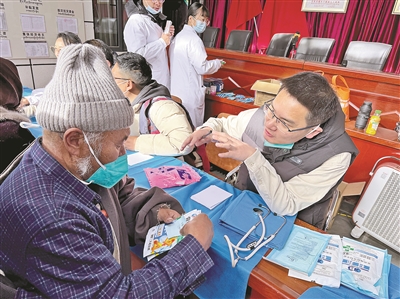
Core Insights - The article highlights the ongoing medical assistance efforts in Tibet, focusing on the "team-based" medical aid model initiated in 2015, which has improved healthcare access and quality in the region [1][2]. Group 1: Medical Assistance Initiatives - The "team-based" medical aid model has transitioned from a fragmented approach to a systematic and long-term mechanism, involving provincial and hospital partnerships [1]. - Medical professionals from major cities like Beijing and Shanghai are providing advanced medical techniques and training to local healthcare workers in Tibet [1][4]. - A total of 21,653 individuals have been screened for high-altitude diseases over three years, with more than 340 patients receiving free treatment [3]. Group 2: Patient Care and Success Stories - A patient named Tuden, who suffered from severe vision issues for 40 years, successfully underwent cataract surgery performed by a Beijing doctor, showcasing the impact of the medical aid [1]. - The implementation of a new screening and treatment strategy for high-altitude diseases has led to timely surgeries being conducted locally, reducing the need for patients to travel long distances [2][3]. Group 3: Training and Capacity Building - Medical experts from Shanghai are actively training local doctors in advanced medical procedures, enhancing their skills and confidence in performing complex surgeries [6]. - Over the past decade, 506 local talents have been trained through a mentorship program, with 231 experts returning to serve in local hospitals, thereby strengthening the healthcare system in Tibet [6].
大手术县里做 疑难病远程看(辉煌60载 魅力新西藏)
Ren Min Ri Bao· 2025-07-26 21:52
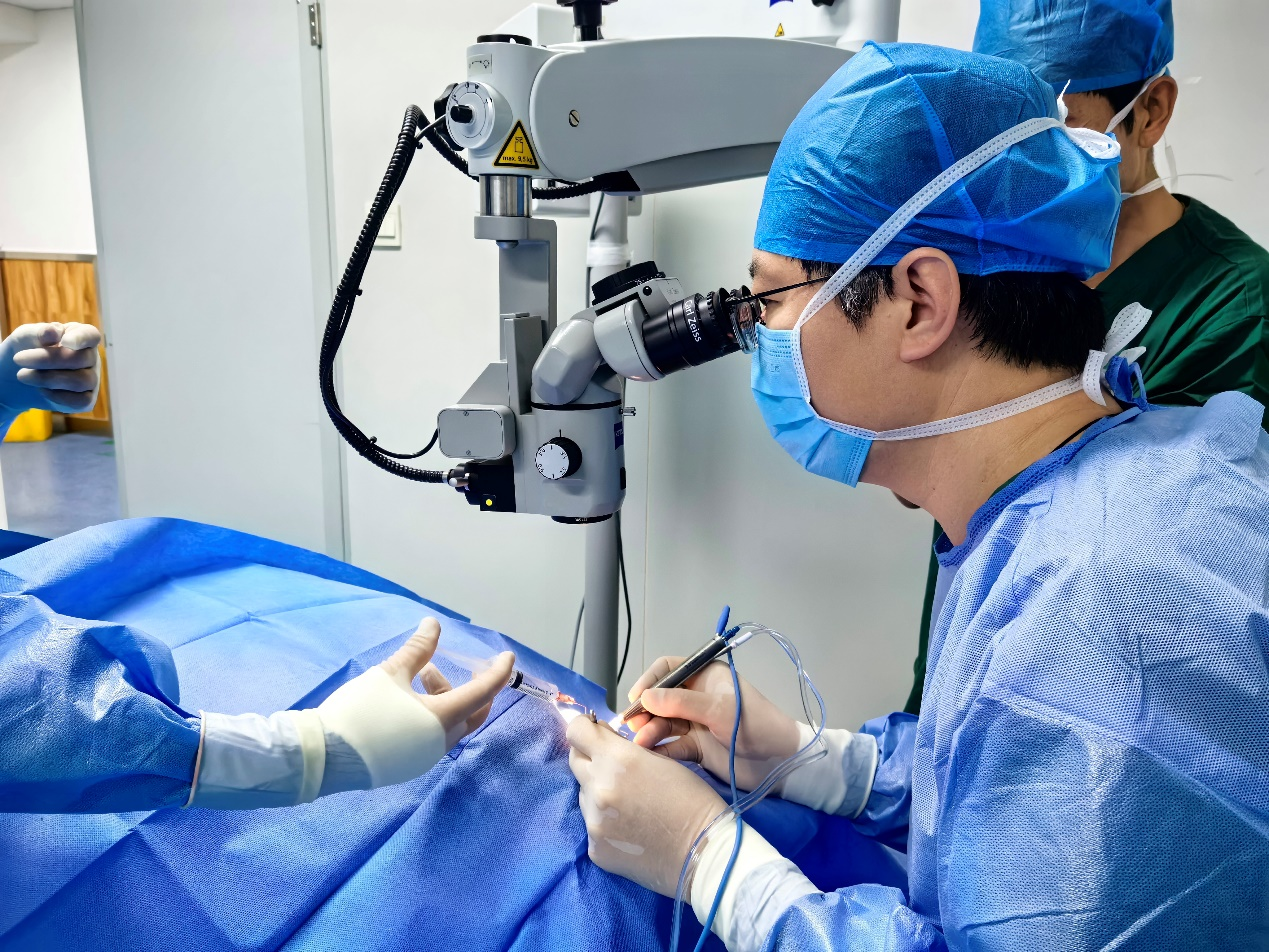
Core Viewpoint - The article highlights the significant improvements in medical services in Luolong County, Tibet, due to the efforts of medical teams and local healthcare professionals, enabling patients to receive comprehensive treatment locally without the need for transfer to distant hospitals [1][2][3]. Group 1: Medical Advancements - The successful emergency treatment of a critically injured patient by a visiting doctor demonstrates the enhanced medical capabilities in Luolong County, which previously struggled with trauma cases due to geographical limitations [1]. - Over the past three years, Luolong County People's Hospital has successfully performed 725 surgeries for a local disease known as "big bone disease," increasing patient trust in local medical services [2]. - The establishment of a dedicated treatment center for "big bone disease" allows patients to receive full treatment from diagnosis to recovery without leaving the county [2]. Group 2: Local Healthcare Development - The ongoing presence of medical experts from Fujian Province is crucial for building local medical teams and ensuring the effective implementation of advanced medical techniques [2]. - Local doctors are gaining confidence and skills through hands-on experience and mentorship from visiting experts, exemplified by a local doctor taking the lead in surgeries [2]. - The introduction of advanced medical equipment and standardized management practices at Luolong County People's Hospital has improved treatment efficiency and patient safety [3]. Group 3: Future Prospects - The hospital plans to enhance its management and service quality further by implementing refined operational protocols and maintaining a clean and efficient medical environment [3]. - The establishment of remote consultation mechanisms with renowned hospitals allows local patients to access specialized medical services without traveling long distances [3].