半导体市场结构性分化

Search documents
沪硅产业预计2025年净亏损扩大至超12.8亿元
Ju Chao Zi Xun· 2026-01-15 01:32
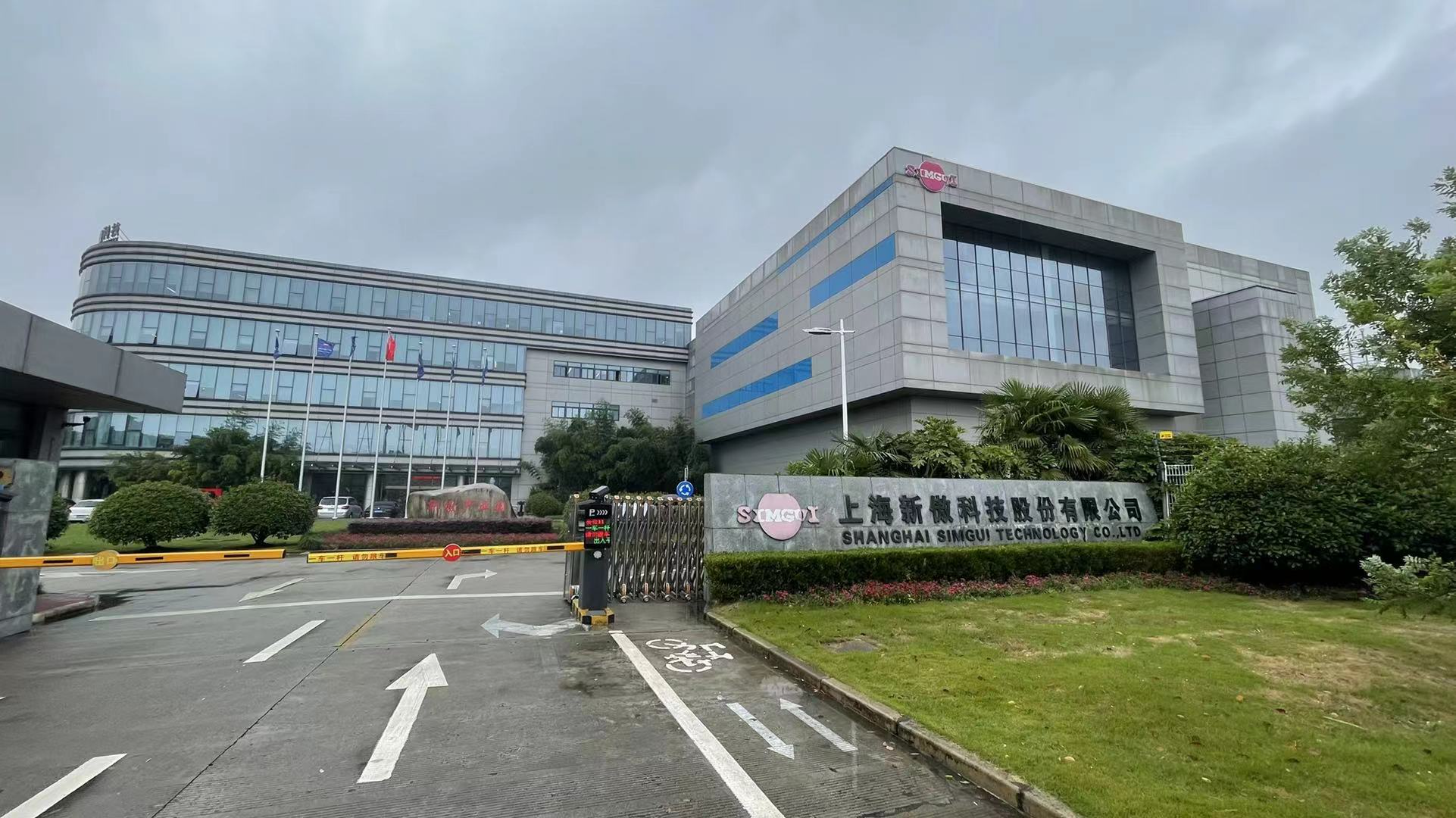
Core Viewpoint - The company, Hu Silicon Industry, anticipates a significant net loss for the year 2025, marking its second consecutive year of losses, attributed to structural differentiation in the global semiconductor market [1][3]. Financial Performance - The estimated net loss for 2025 is projected to be between -15.3 billion and -12.8 billion yuan, an increase of approximately -3.1 billion to -5.6 billion yuan compared to the same period in 2024 [1][3]. - The net profit excluding non-recurring gains and losses is also expected to show a loss of around -18 billion to -15 billion yuan, indicating a further increase in losses year-on-year [3]. Market Dynamics - The global semiconductor market is expected to grow by 22.5% year-on-year, driven by strong demand in AI applications and data centers, while traditional sectors like consumer electronics remain weak [3]. - The global semiconductor wafer shipment area is projected to grow by only 5.4% in 2025, with 300mm wafers benefiting from high demand, while 200mm and smaller wafers are expected to decline by about 3% [3][4]. Company-Specific Challenges - The company's sales of 300mm semiconductor wafers are expected to grow by over 25% in 2025, but revenue growth is limited to about 15% due to competitive pricing pressures [4]. - The 200mm and smaller wafer segments, particularly SOI wafers, face significant challenges, with revenue levels remaining flat and margins being eroded due to market conditions [4]. - The performance of two key subsidiaries, Okmetic Oy and Shanghai Xin'ao Technology Co., Ltd., has not met expectations due to weak end-market demand, raising concerns about potential impairment of goodwill [4]. Strategic Initiatives - The company is in a critical phase of capacity expansion and upgrading, with new projects still ramping up and not yet translating into profitability [4][5]. - High levels of investment in strategic R&D areas, including high-spec products and domestic supply chain localization, are expected to support long-term sustainable development despite short-term profitability pressures [5].