
半导体本土制造

Search documents
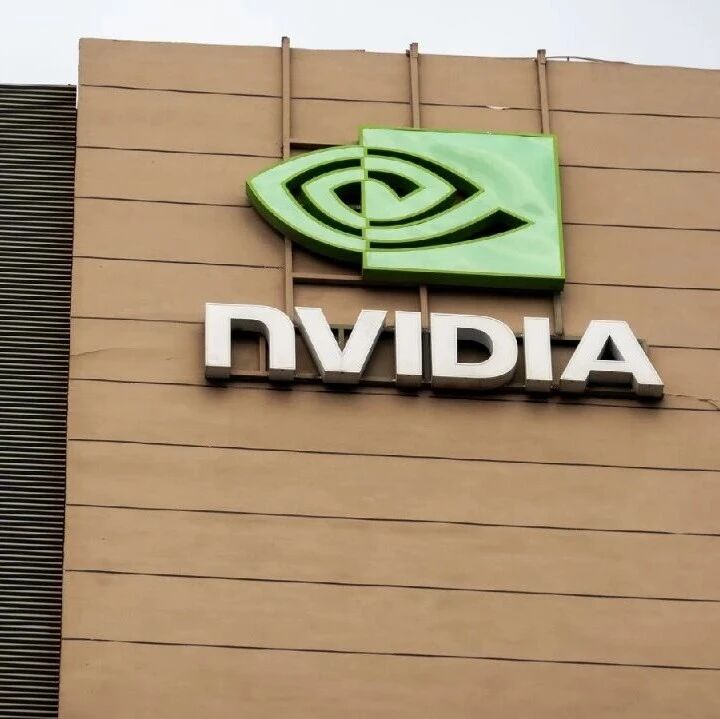
美国对部分进口半导体加征25%关税,涉及英伟达H200
第一财经· 2026-01-15 04:16
Core Viewpoint - The U.S. government has announced a 25% import tariff on certain semiconductor products, including NVIDIA's AI chip H200 and AMD's MI325X, while some products that support the U.S. technology supply chain are exempted [3]. Group 1: U.S. Tariff Announcement - The U.S. will impose a 25% tariff on a small portion of imported semiconductors and related equipment starting January 15 [3]. - Exemptions apply to products that aid in building the U.S. technology supply chain, such as those used in data centers or by U.S. startups [3]. Group 2: Domestic Semiconductor Manufacturing - The U.S. has been pushing for domestic semiconductor manufacturing due to insufficient local production capacity to meet growing demand [3]. - The U.S. consumes about 25% of the world's semiconductors but only produces around 10% domestically [3]. Group 3: NVIDIA and TSMC Collaboration - NVIDIA, despite being a leading AI chip company, still relies on overseas supply chains, particularly TSMC, which has been a partner for over 25 years [4]. - NVIDIA's CEO announced the launch of the new Rubin chip architecture, which significantly improves performance due to a 60% increase in transistor count [4]. Group 4: TSMC's Expansion Plans - TSMC is expanding its manufacturing capabilities in Arizona, USA, and is also investing in a second wafer fab in Japan while continuing investments in Taiwan [5]. - The first U.S.-made NVIDIA Blackwell chip was produced at TSMC's Arizona facility, but there is no confirmation yet for the production of the new Rubin architecture chips in the U.S. [5]. Group 5: Market Reactions - Following the tariff announcement, NVIDIA's stock fell by 1.44%, while AMD's stock rose by 1.19%, and TSMC's stock decreased by 1.24% [6].


美国对部分进口半导体加征25%关税,涉及英伟达H200
Di Yi Cai Jing· 2026-01-15 03:49
Core Viewpoint - The U.S. government is imposing a 25% import tariff on certain semiconductor products, including NVIDIA's AI chips, while simultaneously pushing for domestic semiconductor manufacturing to meet growing industry demands [1][4]. Group 1: Tariff and Import Regulations - Starting January 15, the U.S. will impose a 25% import tariff on select semiconductor products, including NVIDIA's H200 AI chip and AMD's MI325X [1]. - Some products that support the U.S. technology supply chain will be exempt from these tariffs, such as those used in U.S. data centers or by U.S. startups [1]. Group 2: Domestic Manufacturing Efforts - The U.S. consumes about 25% of the world's semiconductors but only produces around 10% domestically, indicating a significant gap in manufacturing capacity [1]. - The White House has acknowledged the insufficient domestic semiconductor manufacturing capabilities to meet the increasing commercial demand [1]. Group 3: NVIDIA and TSMC Collaboration - NVIDIA's CEO Jensen Huang highlighted the long-standing partnership with TSMC, which has lasted over 25 years, emphasizing the importance of solid manufacturing for chip production [2]. - TSMC is actively producing NVIDIA's new Rubin architecture chips, which have a 60% increase in transistor count compared to the previous Blackwell architecture [2]. - TSMC is expanding its manufacturing capabilities in the U.S., particularly in Arizona, while also investing in facilities in Japan and Taiwan [2][3]. Group 4: Market Reactions - On January 14, NVIDIA's stock fell by 1.44%, while AMD's stock rose by 1.19%, and TSMC's stock decreased by 1.24% [4].
美股异动 | 传特朗普新政剑指半导体进口依赖 格芯(GFS.US)涨近10% 英特尔(INTC.US)涨近4%
智通财经网· 2025-09-26 13:51
Core Viewpoint - The Trump administration is considering a new plan to significantly reduce the United States' reliance on overseas semiconductor manufacturing, aiming to stimulate domestic production and reshape the global supply chain [1] Company Performance - GlobalFoundries (GFS.US) opened nearly 10% higher at $35.84 - Intel (INTC.US) rose nearly 4%, continuing a 45% increase for the month - Texas Instruments (TXN.US) increased over 2%, reaching $185.50 [1] Policy Implications - The proposed policy aims to require semiconductor companies to match the quantity of semiconductors produced in the U.S. with the quantity imported from overseas suppliers - Companies failing to maintain a "1:1" ratio will face tariffs [1] Investment in Domestic Manufacturing - Intel, Micron Technology, GlobalFoundries, TSMC (TSM.US), and Samsung Electronics have invested billions of dollars in building semiconductor factories in the U.S. [1]

