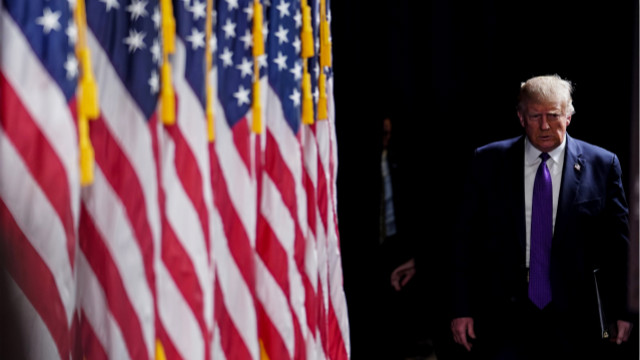
半球防御

Search documents
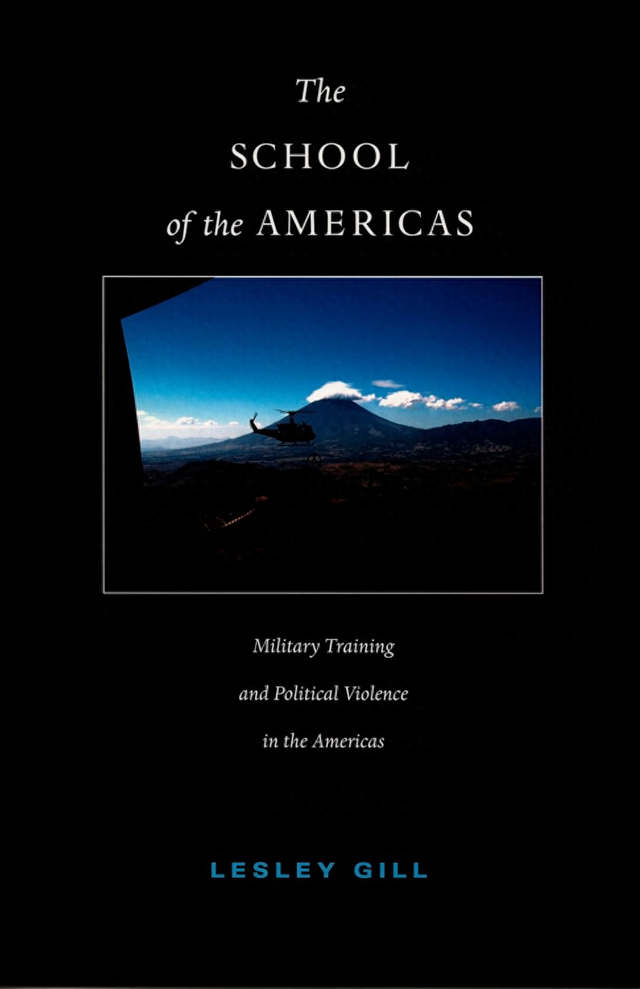
鹰爪与教鞭——美洲学校与美国在拉美的军事规训体系
Xin Lang Cai Jing· 2026-01-17 02:20
Core Viewpoint - The history of U.S. military interventions abroad spans over two centuries, often justified under various pretexts, but fundamentally aimed at consolidating U.S. global hegemony, particularly evident during the Cold War [1][6]. Group 1: Historical Context - The U.S. has engaged in hundreds of military actions since its founding, with motives ranging from protecting citizens to maintaining regional stability, but often with deeper intentions of interfering in domestic politics of other nations [1]. - The School of the Americas (SOA) has been a significant tool for indirect intervention, training over 60,000 military personnel primarily from Latin America, focusing on counter-insurgency tactics and ideological education [6][12]. Group 2: Impact of the School of the Americas - The SOA has been associated with numerous human rights violations, with many graduates involved in acts of torture, murder, and political repression in their home countries [8][14]. - The training provided at the SOA has been criticized for fostering a culture of impunity among Latin American military forces, reinforcing their belief in superiority over their fellow citizens [14][15]. Group 3: Evolution and Rebranding - In response to public pressure and changing geopolitical contexts, the SOA was renamed the Western Hemisphere Institute for Security Cooperation (WHINSEC) in 2001, attempting to improve its image while continuing its controversial training programs [11][18]. - Despite changes in name and curriculum, the SOA has maintained its role as a "protector of empire," continuing to instill military skills alongside ideological indoctrination [12][19]. Group 4: Cultural and Ideological Influence - The SOA has played a crucial role in shaping the worldview of Latin American military officers, promoting a binary understanding of good and evil through the lens of American consumerism and the "American Dream" [13][14]. - The institution has been instrumental in creating a transnational alliance of anti-communist forces in Latin America, effectively integrating military personnel from various countries into a U.S.-led framework [16][19].

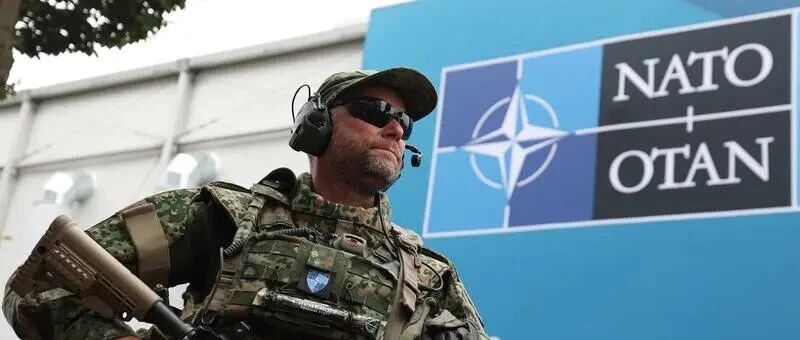
丹麦首相警告:美国若吞并格陵兰岛,等于北约终结
第一财经· 2026-01-06 15:29
Core Viewpoint - The article discusses the strong response from Danish Prime Minister Frederiksen regarding Trump's comments on Greenland, emphasizing that any military action against Greenland would equate to the end of NATO as a military alliance [3][7]. Group 1: Political Reactions - Danish Prime Minister Frederiksen stated that if the U.S. were to annex Greenland, it would signify the termination of NATO, highlighting the importance of collective security within the alliance [3][7]. - Support for Denmark's stance came from various European leaders, including Norway's Foreign Minister Eide, who echoed that NATO's principles would be undermined if the U.S. attacked Greenland [7]. - Greenland's Prime Minister, Jens Frederik Nielsen, condemned the U.S. rhetoric as unacceptable and called for an end to pressure regarding the island's status [8]. Group 2: U.S. Strategy and Intentions - Trump reiterated the U.S. need for control over Greenland, citing national security concerns and the island's strategic location and resources [6][10]. - The concept of "hemispheric defense" has been emphasized by the Trump administration, shifting defense focus from global to domestic and hemispheric priorities, aligning with the "America First" agenda [10]. - The U.S. has been vocal about its interest in Greenland for over a year, indicating a persistent and serious approach rather than a fleeting interest [11]. Group 3: Economic and Geopolitical Implications - The melting Arctic ice due to climate change is making the North Sea routes commercially viable, increasing the strategic importance of Greenland [11]. - Greenland is believed to have rich mineral resources that are becoming accessible due to climate change, further heightening U.S. interest in the territory [11].
特朗普觊觎格陵兰岛令欧洲“又惑又惧”,盟友直面“站队”难题
Jin Shi Shu Ju· 2026-01-06 12:29
Core Viewpoint - European leaders are increasingly concerned about President Trump's insistence on acquiring Greenland from Denmark, which has heightened confusion and alertness regarding the U.S.'s geopolitical stance, including its actions in Venezuela and ambiguous position on the Ukraine conflict [1] Group 1: Reactions from European Leaders - Swedish Prime Minister Ulf Kristersson stated that only Denmark and Greenland have the right to decide on matters concerning them [2] - UK Prime Minister Keir Starmer expressed solidarity with Denmark, emphasizing that the future belongs solely to Greenland and Denmark [2] - European officials noted that Trump's aggressive actions regarding Maduro indicate a disregard for international law, making his comments about Greenland serious [2] Group 2: Military and Strategic Implications - Denmark has a historical defense agreement with the U.S. that allows for military presence in Greenland, but U.S. troop levels have significantly decreased from over 10,000 during the Cold War to fewer than 200 currently [3] - NATO and EU officials coordinated a supportive message for Denmark, indicating a unified European response to Trump's escalating rhetoric [4] - Any U.S. military action to seize Greenland could lead to direct conflict between allies, questioning the fundamental defense agreements within NATO [4] Group 3: U.S. Military Presence and Investments - Denmark announced a $4.2 billion investment in military units and infrastructure in Greenland, including a new Arctic command headquarters and various military assets [5] - U.S. advisors have framed Greenland's importance within the context of "hemispheric defense," similar to Venezuela, but the EU Commission rejected this comparison, highlighting Greenland's status as a NATO ally [6]
丹麦首相警告:美国若吞并格陵兰岛,等于北约终结
Di Yi Cai Jing· 2026-01-06 11:13
Core Viewpoint - Danish Prime Minister Frederiksen stated that if the U.S. were to annex Greenland, it would signify the end of NATO as a military alliance [1][3]. Group 1: Political Statements and Reactions - Frederiksen emphasized that an attack by the U.S. on another NATO country would halt everything, including NATO itself and the security system established since World War II [1]. - Norwegian Foreign Minister Eide supported Frederiksen's statement, asserting that if the U.S. attacked Greenland, the concept of NATO would cease to exist [3]. - European leaders, including the UK’s Starmer, expressed solidarity with Denmark, defending its sovereignty over Greenland [3]. Group 2: U.S. Position and Strategy - Trump reiterated the need for U.S. control over Greenland, citing national security concerns and criticizing Denmark's capability to ensure Greenland's security [3]. - The Trump administration has been reinforcing a new strategic framework centered on "hemispheric defense," which includes the assertion of U.S. interests in Greenland [4][5]. - The U.S. has been accused of pursuing a "public referendum" or even a purchase of Greenland, which has been met with strong rejection from Denmark [6]. Group 3: Economic and Geopolitical Implications - Greenland is geographically part of North America, which aligns with the U.S. defense strategy shift towards focusing on domestic and hemispheric security [5]. - Denmark has committed over $4 billion to enhance Greenland's security, including investments in vessels, aircraft, drones, and monitoring systems [5]. - The melting Arctic ice is making Greenland's resources more accessible, which could lead to increased U.S. interest in the region [5].