南北对冲

Search documents
第一批反季来中国的老外,最爱哈尔滨与三亚
3 6 Ke· 2026-01-14 02:17
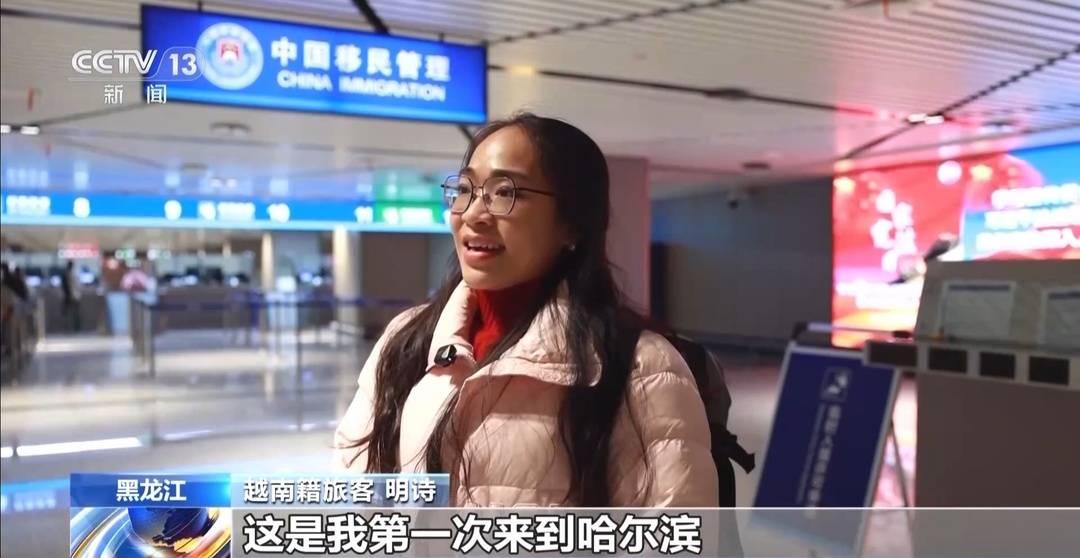
Core Insights - The influx of Russian tourists to Sanya has significantly increased, surpassing visitors from other countries, leading to a shift in local hospitality practices and language training for staff [1][2] - Sanya has become a preferred destination for Russian travelers due to its favorable climate and cultural familiarity, while Harbin attracts Southeast Asian tourists seeking unique winter experiences [4][10] - The changing demographics of tourists are prompting local businesses to adapt their services and offerings to meet new consumer preferences [25][26] Group 1: Russian Tourists in Sanya - Russian tourists now dominate the visitor demographic in Sanya, with hotel staff learning Russian to cater to this market [1] - The demand for Russian-speaking tour guides has surged, with wages reaching 500 yuan per day, comparable to Japanese guides [1] - The number of Russian tourists booking trips to China has increased by 3.5 times since the introduction of visa-free entry, with Sanya accounting for 88% of bookings [2][3] Group 2: Changes in Tourist Behavior - Russian visitors are not just looking for leisure; they are interested in cultural experiences, leading to a rise in demand for local cultural activities and wellness services [20][21] - The average stay for Russian tourists has lengthened, with many opting for longer-term accommodations that allow for a more local lifestyle [19] - Approximately 35% to 40% of Russian families are traveling with children, increasing the demand for family-friendly activities in Sanya [20] Group 3: Southeast Asian Tourists in Harbin - Southeast Asian tourists are increasingly visiting Harbin, with a 57% year-on-year increase in bookings for winter tourism products [3] - Direct flights from Southeast Asia to Harbin have made travel more accessible, allowing tourists to experience winter activities without lengthy layovers [12] - Harbin is enhancing its service offerings to cater to the needs of Southeast Asian visitors, including providing warm amenities and language support [23][24] Group 4: Economic and Service Adaptations - The growth in Russian and Southeast Asian tourism is prompting local businesses to adjust their service protocols to better meet the needs of these new demographics [25][27] - The integration of local payment systems and services has improved the overall experience for Russian tourists, with 80% of transactions now conducted in local currency [9] - The hospitality industry is witnessing a shift from traditional Western markets to neighboring countries, highlighting the importance of regional tourism dynamics [16][26]