南向资金套利

Search documents
“炒小、炒新、炒妖”……南向游资套利路径隐现→
Di Yi Cai Jing Zi Xun· 2025-11-24 13:22
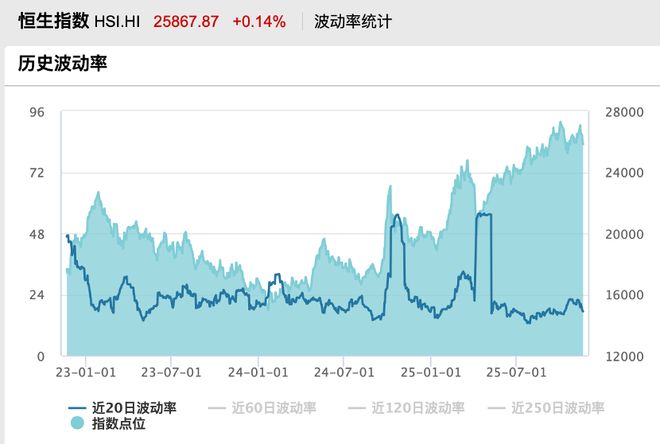
Group 1: Core Insights - The cumulative net buying scale of southbound funds has surpassed 50 billion HKD, indicating an increasing pricing power in the Hong Kong stock market [2][3] - Southbound funds accounted for 23.6% of the total trading volume in the Hong Kong stock market by the third quarter of 2025, with total holdings exceeding 6.3 trillion HKD, marking a significant increase of over 90% year-on-year [3] Group 2: Market Dynamics - The influx of mainland funds has become a crucial driver of liquidity in the Hong Kong stock market, with net inflows for the year exceeding 1.37 trillion HKD as of November 24, 2025 [3] - The trading style of individual investors in mainland China, characterized by short holding periods and high sensitivity to market sentiment, raises concerns about potential impacts on the Hong Kong market [6] Group 3: Investment Strategies - Mainland speculators have developed a systematic approach to capital operations, utilizing the Hong Kong Stock Connect mechanism for cross-market arbitrage, forming a complete operational chain [9][10] - The example of Yaojie Ankang-B (02617.HK) illustrates this strategy, where the stock price surged over 136% before being included in the Stock Connect, followed by extreme volatility [10][14] Group 4: Market Characteristics - New stocks entering the Hong Kong market, particularly in the pharmaceutical sector, often exhibit small float sizes and high volatility, making them attractive targets for speculative trading [14] - The correlation between the Hang Seng Index and the CSI 300 has strengthened, indicating increased market interdependence and rising volatility in the Hong Kong market [8]


南向游资套利路径隐现:“炒小、炒新、炒妖”,借纳入港股通安全撤退
Di Yi Cai Jing Zi Xun· 2025-11-24 11:29
Group 1 - The core viewpoint of the articles highlights the increasing influence of southbound funds in the Hong Kong stock market, with cumulative net purchases surpassing 5 trillion HKD, indicating a significant rise in pricing power [1][2] - Southbound funds accounted for 23.6% of the total trading volume in the Hong Kong stock market by the third quarter of 2025, with total holdings exceeding 6.3 trillion HKD, reflecting a year-on-year growth of over 90% [2] - The influx of mainland capital has become a crucial driver of liquidity in the Hong Kong market, with the net purchase amount for the year exceeding 1.37 trillion HKD as of November 24, 2025 [2] Group 2 - There are emerging risks associated with the evolving market structure, particularly the systematic capital operations by mainland speculators using the Hong Kong Stock Connect mechanism for cross-market arbitrage [1][8] - A complete operational chain has been established by mainland speculators, characterized by selecting targets, aggressive price increases, facilitating inclusion in the Stock Connect, and ultimately offloading shares to passive funds [8][12] - The stock of Yaojie Ankang-B (02617.HK) serves as a case study, showing a price increase of over 136% before being included in the Stock Connect, followed by extreme volatility, including a single-day drop of 53.73% [1][13] Group 3 - The investment style of southbound funds is primarily focused on fundamentals, contrasting with the short-term trading behavior typical of individual investors in the A-share market [4][7] - Institutional investors dominate the southbound fund structure, with insurance funds holding over 1.4 trillion HKD and public funds holding approximately 1.01 trillion HKD in the third quarter of 2025 [5][6] - The recent trend shows that newly included stocks in the Stock Connect, particularly in the pharmaceutical sector, are often small-cap stocks with high volatility, making them susceptible to speculative trading [13]