博物馆文化

Search documents
博物馆里年味浓
Xin Lang Cai Jing· 2026-02-20 00:09
Core Viewpoint - Museums have become a popular destination during the Spring Festival, reflecting the cultural significance of the holiday and enhancing cultural confidence in China [1][3]. Group 1: Cultural Significance - Museums play a crucial role in preserving and transmitting human civilization, especially during the Spring Festival, which is a significant traditional holiday in China [1]. - The thematic exhibitions in museums help visitors understand the cultural origins and traditions associated with the Spring Festival, enriching the holiday experience [1]. Group 2: Thematic Exhibitions - Various museums have launched unique thematic exhibitions for the Spring Festival, particularly focusing on the Year of the Horse, with notable exhibitions in Beijing [1]. - Examples include the "Leap Horse and Whip - New Year Cultural Exhibition" at the National Museum of China and the "New Year - Year of the Horse Theme Exhibition" at the China Arts and Crafts Museum [1]. Group 3: Technological Innovation - Continuous technological innovation in museums transforms traditional exhibits into interactive experiences, bringing artifacts to life and engaging visitors [2]. - The Capital Museum's exhibition on temple fair culture utilizes immersive presentations to provide a "zero-distance" experience of traditional customs [2]. - The use of 3D technology at the Mianzhuzhen New Year Painting Museum animates historical scenes related to the Spring Festival, enhancing visitor interaction [2]. Group 4: Visitor Experience Enhancements - Museums are implementing various convenience measures to accommodate the high visitor demand during the Spring Festival, including extended hours and night tours [2]. - For instance, the Shenyang Museum has introduced a night tour event with special activities to enhance the visitor experience [2]. - Museums are also improving their guided services by increasing the frequency of tours and providing self-service audio guides to better meet visitor needs [2]. Group 5: Cultural Engagement - The bustling activity in museums during the Spring Festival reflects a growing closeness to traditional culture and a desire for a better life among the public [3]. - Museums are actively fulfilling their mission to meet the cultural needs of the community, ensuring that the rich traditions of the Chinese Spring Festival remain vibrant and relevant [3].
走进博物馆,读懂一座城(文化中国行)
Ren Min Ri Bao· 2025-06-02 22:02
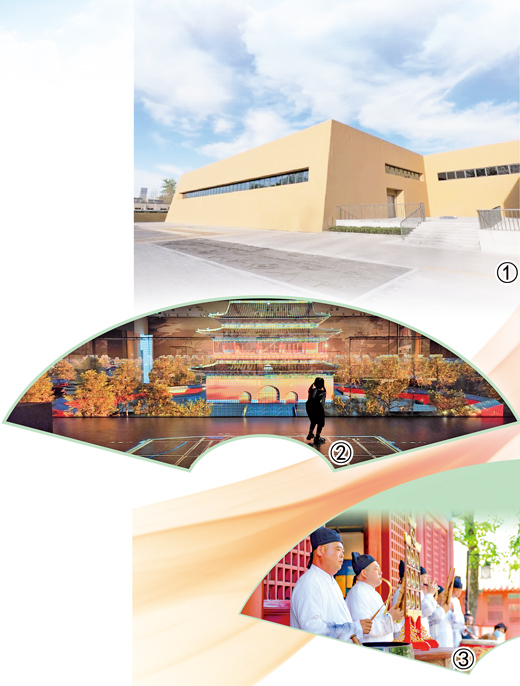
Core Viewpoint - The first Beijing Museum Season, running from May 18 to October 8, features 51 exhibitions and cultural activities, attracting approximately 100 million visitors in 2024 to nearly 300 registered museums in Beijing, showcasing the city's rich history and cultural heritage [2][4]. Group 1: Digital Technology in Museums - The "Beijing History Exhibition" at the Capital Museum utilizes digital technology to create an immersive experience, allowing visitors to explore the evolution of Beijing's geography and urban layout through visual storytelling [4][5]. - A large 3D model and multimedia projections illustrate the historical changes in Beijing's cityscape, enhancing the understanding of its historical context [4][5]. Group 2: Archaeological Discoveries - The newly opened Beijing Dabaotai Archaeological Museum features exhibitions on the Western Han Dynasty, showcasing significant archaeological finds, including the largest and best-preserved Han tomb in the Beijing area [6][7]. - The museum's highlight is the "Yellow Wood Piling" burial system, which provides insights into the burial practices of the Western Han royalty, enhancing the understanding of historical burial customs [7]. Group 3: Traditional Music and Cultural Heritage - The Beijing Cultural Exchange Museum hosts performances of Jing music, a traditional form of music with over 500 years of history, aiming to increase public engagement and appreciation for ancient music [9][10]. - The museum has developed interactive exhibits and regular performances to attract audiences, with attendance reaching over 3,000 on peak days [10]. Group 4: Talent Development in Cultural Heritage - The "Youth Talent Training Program" initiated by the Beijing Cultural Heritage Bureau aims to cultivate young professionals in museum and archaeological fields, having trained 257 individuals over three years [11][12]. - The program includes various courses on the protection and transmission of Beijing's historical culture, led by experts from prestigious institutions [11].

文化中国行丨3000多岁的对“象”、奇幻的昆虫世界……这些博物馆能玩又能学
Yang Shi Xin Wen· 2025-05-17 05:41
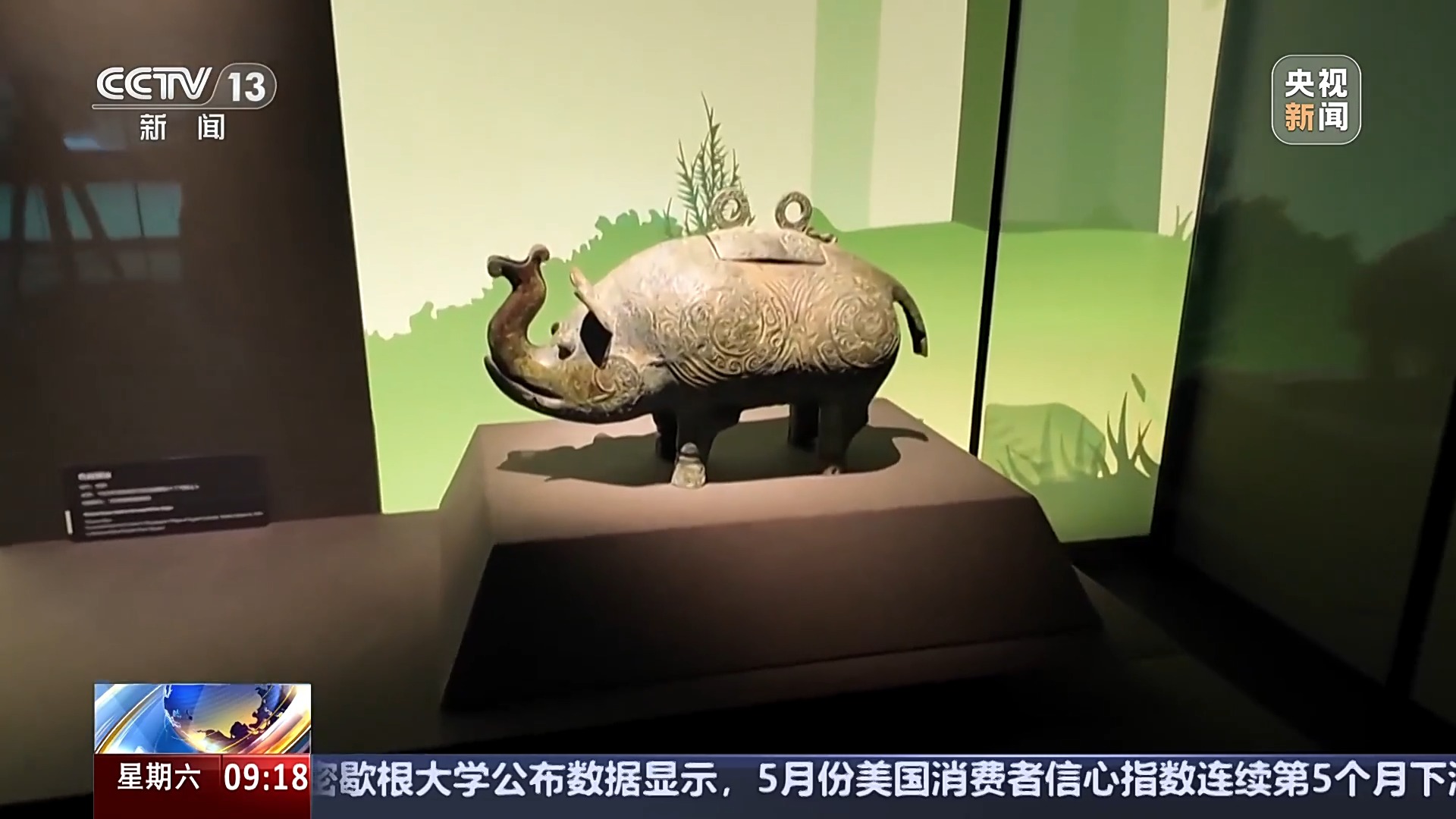
Group 1 - The article highlights the significance of the Baoji Bronze Museum, which houses over 480,000 artifacts, primarily focusing on Shang and Zhou dynasty bronze items, including the earliest written record of "China" found on the He Zun [1][5] - The museum features a unique 3,000-year-old elephant-shaped bronze vessel, known as Xiang Zun, which serves as a wine container and reflects the cultural and climatic history of the Guanzhong region [2][6][10] - The design of the Xiang Zun is noted for its scientific and practical features, such as a level alignment of the trunk and back, preventing spillage, and a spout for pouring, showcasing advanced understanding of physics [8][10] Group 2 - The Baoji Bronze Museum is renowned for its collection of animal-shaped bronze artifacts, which provide insights into the natural world as perceived by the people of the Zhou dynasty, contributing to the understanding of Chinese civilization [10] - The museum's exhibits include various animal-themed bronzes, such as the bronze mother and child tiger and unique three-legged bronze birds, emphasizing the diversity of ancient Chinese craftsmanship [10] - The article emphasizes the cultural significance of the Xiang Zun, as the elephant symbolizes auspiciousness in Chinese tradition, reflecting ancient people's aspirations for a good life [6][10]