印钞技术

Search documents
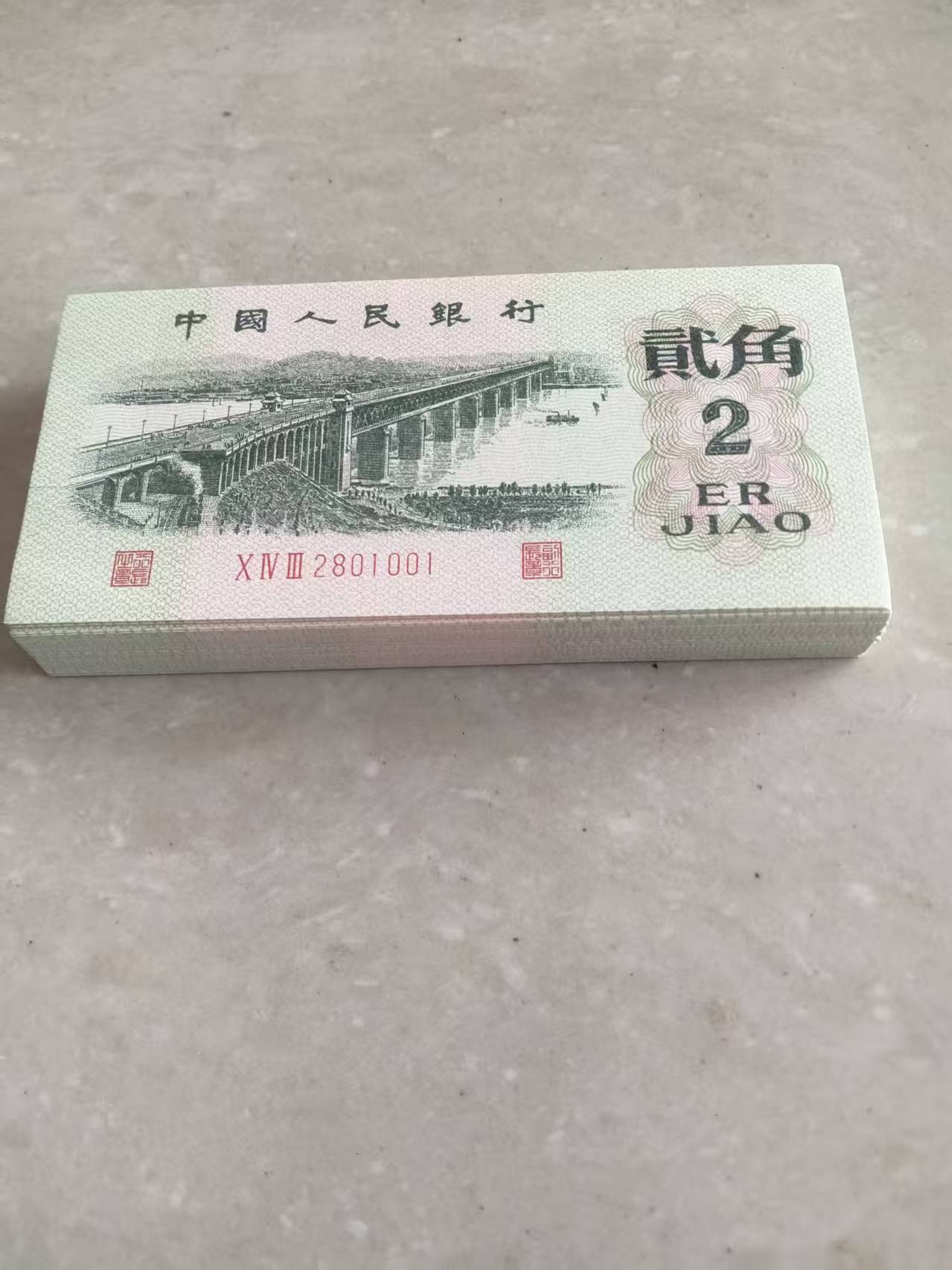
第三套人民币贰角纸币
Sou Hu Cai Jing· 2025-12-25 01:56
Core Viewpoint - The third set of RMB two-jiao banknote is a significant artifact in China's currency history, representing a blend of historical memory, artistic design, and advanced printing technology, making it a valuable collectible item [1][3][4]. Group 1: Historical and Cultural Significance - The two-jiao banknote features the Wuhan Yangtze River Bridge, symbolizing a major achievement in early industrialization and national pride, serving as a narrative tool for national education [3][4]. - The issuance of the third set of RMB occurred during a transformative period in China's economic and social landscape, reflecting the country's focus on currency credibility and stability [4]. Group 2: Craftsmanship and Design - The banknote showcases advanced printing techniques of the 1960s, combining offset and intaglio printing, enhancing both its aesthetic appeal and anti-counterfeiting features [1][4]. - The use of special cotton fiber paper and intricate design elements, including a watermark, highlights the technological advancements in China's banknote production during that era [1]. Group 3: Collectible Value and Market Performance - The two-jiao banknote has established a solid position in the collectible market, driven by its historical significance, artistic value, and broad collector base [7][8]. - Factors such as edition, condition, serial number, and rarity influence its market value, with well-preserved specimens commanding higher prices [8]. - The long-term trend indicates a steady appreciation in value, making it a relatively low-risk investment in the collectible currency market [8].

中国成为全球最大印钞国?这些国家的货币都是中国造
Sou Hu Cai Jing· 2025-10-28 10:01
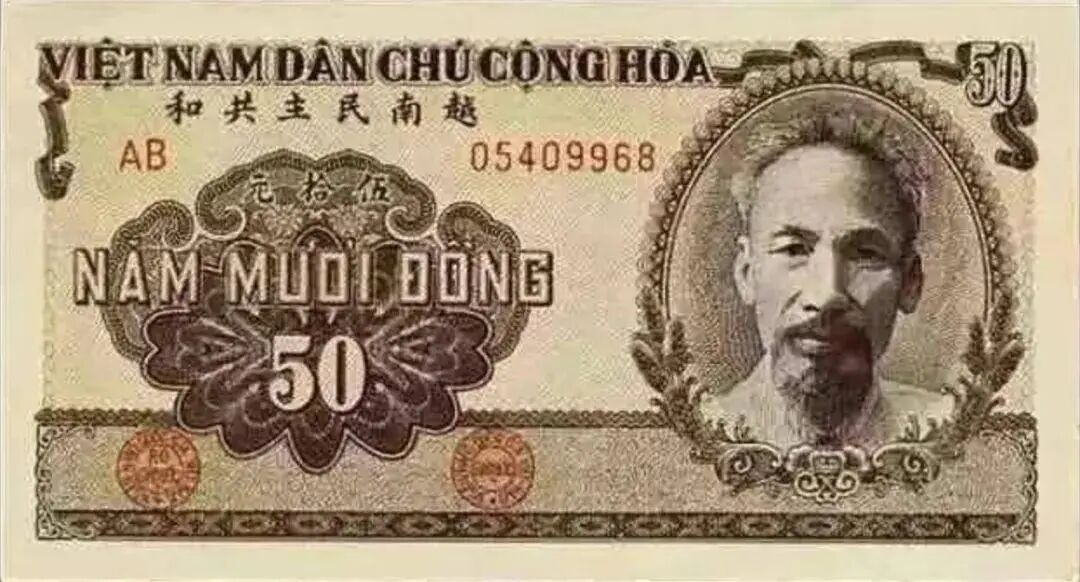
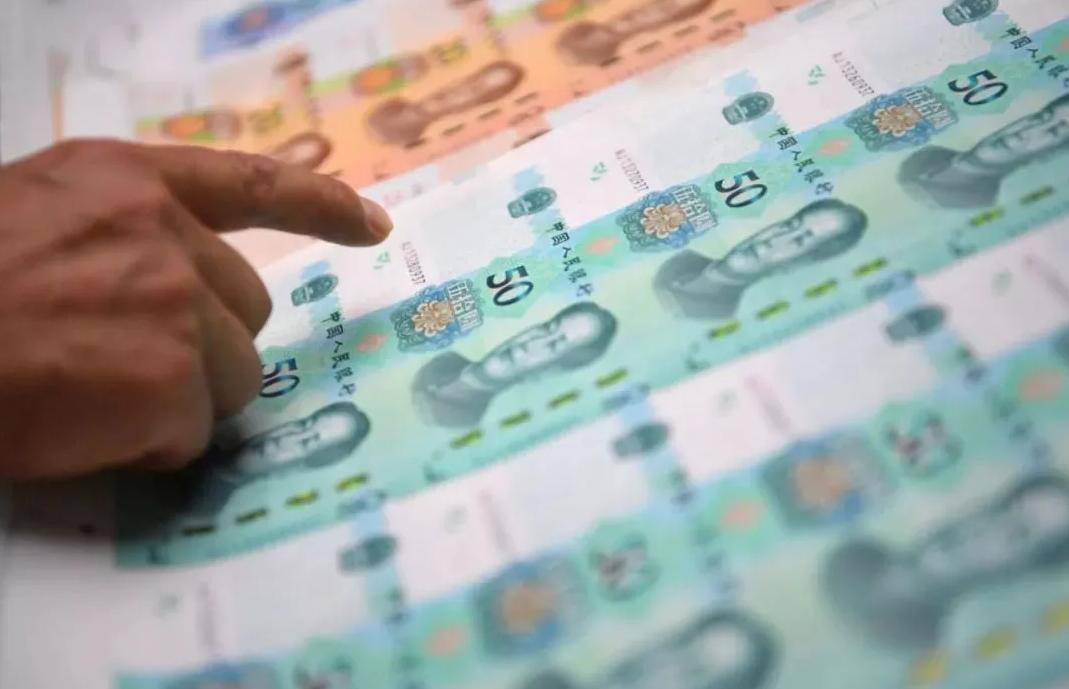
Group 1 - The unification of currency during the Qin Dynasty was a crucial measure to consolidate power, facilitating fiscal revenue collection and promoting economic prosperity through enhanced commercial exchanges [1][3] - The currency laws established by the Qin Dynasty represent the first legal framework regarding currency in Chinese history, which continues to influence the currency system in China today [3] - The printing technology for currency is considered a state secret, second only to atomic bomb technology, and China initially relied on foreign assistance for its first currency printing [4] Group 2 - Over time, China became self-sufficient in currency printing technology and began printing currency for other countries, with Vietnam being a significant client since 1957 [6][8] - Other Southeast Asian countries, such as Cambodia and Mongolia, have also commissioned China for currency printing, indicating a growing regional reliance on Chinese printing capabilities [8] - China's currency printing business extends beyond Asia, with countries in Europe and North America, like Albania and Cuba, also commissioning China for various denominations of banknotes [8][9] Group 3 - The technology involved in currency printing encompasses not only the printing process but also the production of banknote paper and anti-counterfeiting measures, showcasing China's advanced capabilities [11] - China is recognized for its leading position in global currency printing technology, excelling in various aspects such as paper quality, ink, and precision cutting [11] - The introduction of innovative anti-counterfeiting technologies, such as the hollow security thread with alternating patterns, has further solidified China's reputation in the field [11]
中国,为什么能帮其他国家印钞票?
3 6 Ke· 2025-10-24 10:07
Core Viewpoint - China has become a significant player in the global currency printing industry, providing services to over ten countries, leveraging its advanced printing technology and competitive pricing [1][10][38]. Group 1: Currency Printing Services - China offers two main types of currency printing services: humanitarian aid and commercial cooperation [1][5]. - The first humanitarian aid printing was for Vietnam in 1950, with subsequent printings totaling four series of Vietnamese Dong [3][5]. - The commercial aspect began in the 21st century, with China winning its first international printing contract for Nepal in 2015, printing 210 million new banknotes [5][7]. Group 2: Technological Advancements - China's currency printing technology has advanced significantly, with innovations such as the gravure printing technique and security thread technology [35][38]. - The gravure printing technique allows for high precision and difficulty in counterfeiting, while the security thread provides both aesthetic and anti-counterfeiting features [36][38]. - China has developed the world's first gravure printing machine capable of double-sided printing, enhancing production efficiency [36]. Group 3: Competitive Advantages - China's printing costs are 30% to 50% lower than those of Western companies, making it an attractive option for countries with limited budgets [38]. - For instance, China printed banknotes for Nepal at a cost of 2.15 Nepali Rupees per note, compared to 2.69 Rupees charged by other companies, saving Nepal approximately $3 million [38]. - The Chinese printing company has evolved from merely printing for others to exporting materials and equipment, showcasing a comprehensive industrial chain output [38].