历史建筑保护

Search documents
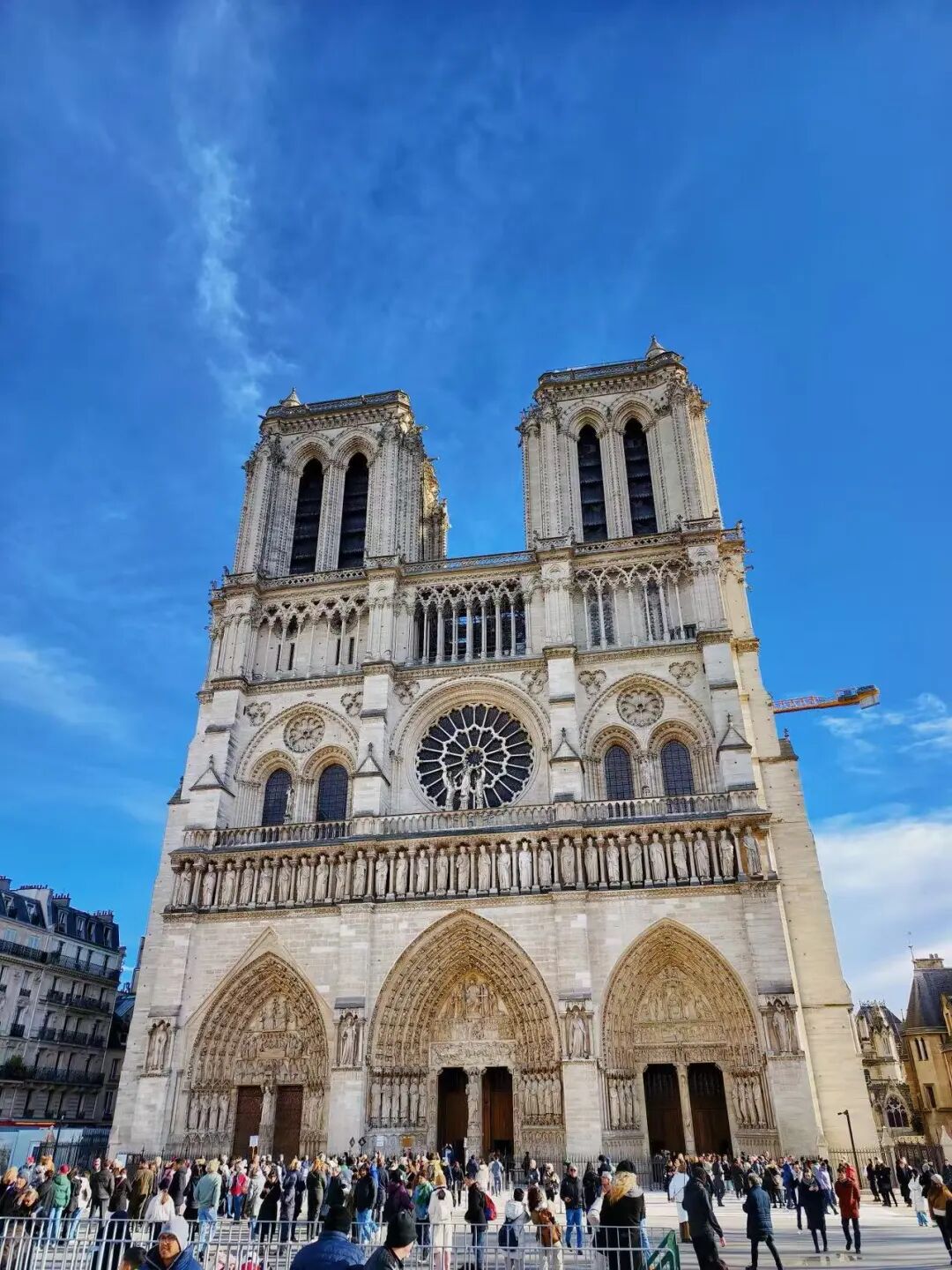
浴火重生的巴黎圣母院
3 6 Ke· 2026-02-26 02:29
Core Insights - The Notre-Dame Cathedral in Paris, a historical and architectural landmark, has reopened its interior to the public after extensive restoration following the devastating fire in April 2019, although external repairs are still ongoing [2][5][6]. Historical Significance - Notre-Dame Cathedral, built starting in 1163, is a symbol of Gothic architecture and has witnessed significant historical events in France, including coronations and revolutions [3][19][21]. - The cathedral's unique location on Île de la Cité has made it a central point in Paris, contributing to its cultural and historical importance [3][19]. Restoration Challenges - The fire caused severe damage to the cathedral's roof and spire, but the main structure and the iconic twin towers were preserved [3][5]. - The restoration process faced challenges due to the cathedral's architectural style, which complicated firefighting efforts during the blaze [5][32]. Restoration Process - The restoration involved a commitment to preserving the original architectural integrity, with a global competition yielding 226 proposals, ultimately favoring a design faithful to the original structure [29]. - The restoration required the use of over 2,000 oak trees for the wooden framework, with careful consideration given to environmental concerns [32][34]. - Advanced techniques, including 3D scanning and archaeological methods, were employed to ensure accurate restoration, respecting historical records and previous restoration efforts [37]. Public Reception - The reopening of the cathedral's interior in December 2024 attracted significant public interest, even during the off-peak travel season, indicating a strong desire for cultural engagement [5][6].

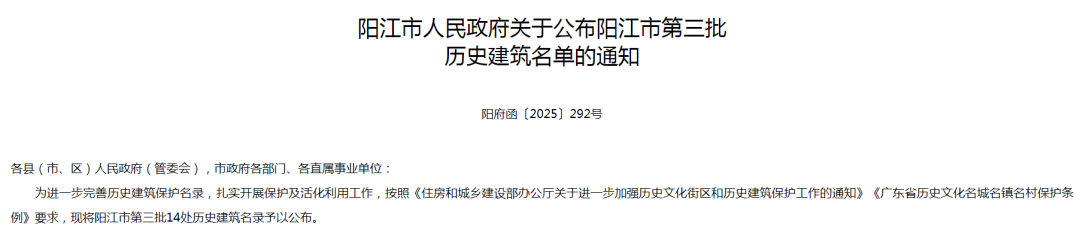
很多“老阳江”都去过!第三批历史建筑名录公布
Xin Lang Cai Jing· 2026-01-08 04:34
Core Viewpoint - The city of Yangjiang has announced the third batch of historical building listings, which includes various categories such as residential houses and ancestral halls, distributed across Jiangcheng District and Yangdong District [1][13]. Group 1: Historical Buildings Listed - A total of 14 historical buildings have been included in the latest listing, such as the Xiaoze Library, the former residence of martyr Tan Qisu, and the Lin Clan Ancestral Hall [2][5]. - The Xiaoze Library, established in 1871, was one of the four major private libraries in Guangdong, with a peak collection of over 100,000 volumes [10][8]. - The Lin Clan Ancestral Hall, built in 1785, served as a significant revolutionary site during the Anti-Japanese War, functioning as a base for the local guerrilla forces [12][6]. Group 2: Historical Significance and Preservation Efforts - The city has prioritized the protection and preservation of historical culture, having published three batches of historical building lists, totaling 59 buildings [13][15]. - Ongoing efforts include conducting surveys, mapping, and management of historical buildings, as well as exploring sustainable utilization paths to enhance their social educational roles [13][15]. - The government aims to promote a model that encourages the protection and utilization of historical buildings through community involvement and market operations [15][13].
明天起,这些新规将影响你的生活
证券时报· 2025-11-30 03:41
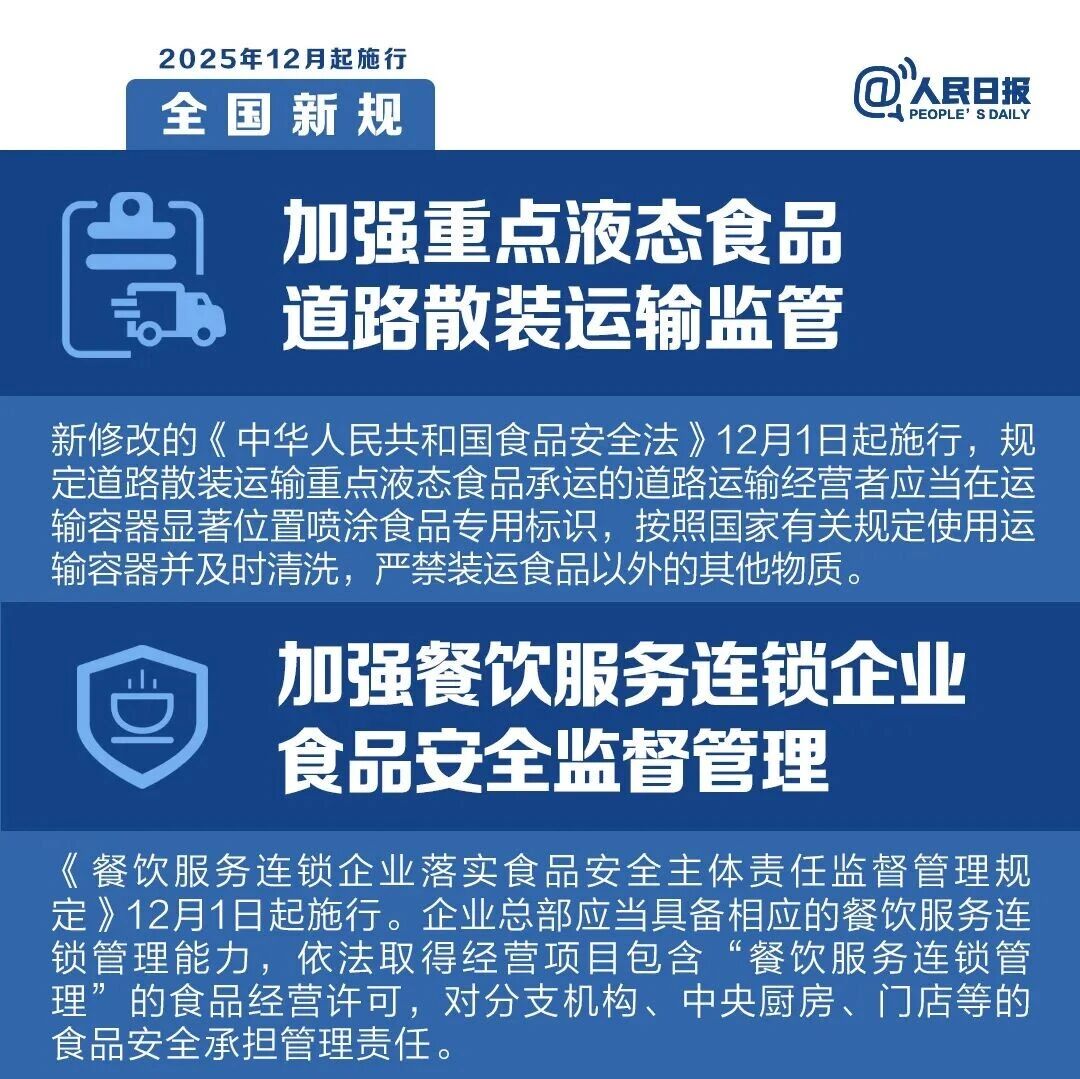
Regulatory Changes in Food Safety and Transportation - The revised Food Safety Law of the People's Republic of China will take effect on December 1, 2025, mandating that road transport operators of key liquid foods must prominently display food-specific labels on transport containers and adhere to national regulations for container use and cleaning [1] - The new regulations for chain catering service enterprises will also be implemented on December 1, requiring headquarters to possess the necessary management capabilities and assume responsibility for food safety across branches and central kitchens [2] Electric Bicycle Regulations - Starting December 1, all electric bicycles that do not meet the new national standards will be banned from sale, emphasizing the importance of CCC certification for consumers [3][4] School Meal Transparency - The Campus Meal Service Management Guidelines will be enforced on December 1, requiring food processing operations to be integrated with an "Internet + Bright Kitchen" system, allowing parents and students to view key food processing steps [5][6] Resource Tax Regulations - New resource tax regulations will clarify that certain mined products used for project backfilling will not be subject to resource tax, effective December 1 [7] Medical Mask Standards - The revised national standard for medical protective masks will prohibit the use of breathing valves in disposable masks, effective December 1, ensuring they are equipped with a nose clip or equivalent design for a secure fit [8] Anti-Money Laundering Regulations - The Anti-Money Laundering and Counter-Terrorism Financing Supervision Management Measures will take effect on December 1, requiring financial institutions to submit annual reports by the end of March each year [11] Individual Business Credit Evaluation - The Individual Business Credit Evaluation Indicators standard will be implemented on December 1, aimed at assisting financial institutions in developing tailored financial products for individual businesses, thereby expanding loan accessibility [13] Environmental Regulations - New regulations in Beijing will ban the use of high-emission non-road mobile machinery starting December 1, promoting environmental sustainability [14] Vocational Education Development - The Liaoning Province Vocational Education Regulations will be enacted on December 1, encouraging the establishment of vocational colleges and expanding enrollment in applied undergraduate programs [16] Weather Modification Management - The Fujian Province Weather Modification Management Regulations will take effect on December 1, emphasizing the use of new technologies in weather modification for disaster prevention and agricultural safety [18] Historical Building Protection - The Shandong Province Historical Building Protection Measures will be implemented on December 1, detailing nine criteria for recognizing historical buildings [19] Food Security in Grain Production - The Henan Province Grain Security Guarantee Regulations will be enforced on December 1, focusing on enhancing the supply of quality and functional grain products [22] Data Flow Regulations - The Hunan Province Data Regulations will take effect on December 1, promoting orderly and efficient data circulation among individuals and organizations [23] Tourism Regulations - The Hainan Free Trade Port Tourism Regulations will allow for the establishment of all-night bars and entertainment venues in key tourist areas starting December 1 [25] Sanitation Worker Rights - The Sichuan Province Urban Sanitation Worker Salary Special Account Implementation Rules will be enacted, aiming to protect the rights of sanitation workers [27]
山东出台国内首部专门规定历史建筑保护的省政府规章
Da Zhong Ri Bao· 2025-11-15 01:32
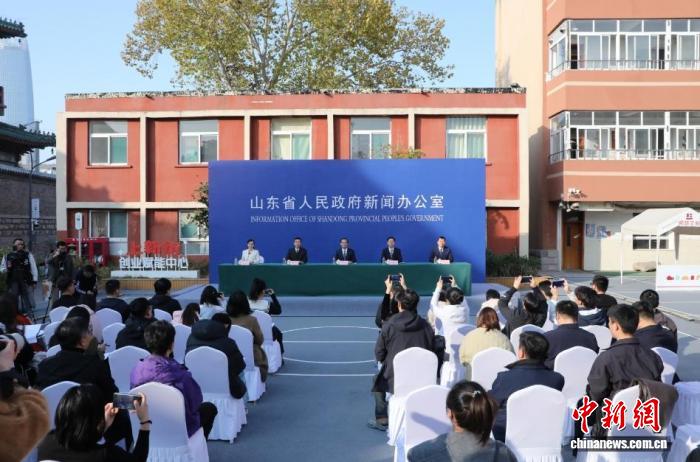
Core Viewpoint - Shandong Province has introduced the first provincial regulation in China specifically for the protection of historical buildings, which will take effect on December 1, 2023, and aims to enhance the preservation and management of 2,213 historical buildings across the province [2][4]. Group 1: Regulation Overview - The "Shandong Province Historical Building Protection Measures" has been approved by the provincial government and is characterized by its strong leadership and innovation [2]. - The regulation outlines the responsibilities for protection, assigning county-level governments to lead and coordinate protection efforts, while provincial housing and urban-rural development departments will manage historical building protection statewide [2][3]. Group 2: Identification and Protection Standards - The regulation specifies nine criteria for identifying historical buildings, including their historical significance, association with important events or figures, and representation of traditional culture [3]. - Pre-protection measures will be initiated for buildings on the "potential historical building list" before formal recognition to prevent damage [3]. Group 3: Protection Requirements - Detailed requirements for the protection process include surveying, establishing protection signage, and creating protection plans, while prohibiting actions that could harm the buildings [3]. - Owners and users of historical buildings are required to maintain and repair them according to protection plans, with technical guidance provided by protection authorities [3]. Group 4: Encouragement of Utilization - The regulation encourages reasonable utilization of historical buildings, promoting their transformation into museums, memorials, and cultural experience centers, while ensuring that any modifications do not compromise structural integrity [4]. - Supportive policies may be provided regarding building density and project volume to enhance the effective utilization of historical buildings [4].
山东出台历史建筑保护办法 明确保护与利用细则
Zhong Guo Xin Wen Wang· 2025-11-14 14:04
Core Points - The Shandong Provincial Government has introduced the "Shandong Historical Building Protection Measures" to address issues related to the identification, management, and utilization of historical buildings in the province [1][2] Group 1: Historical Building Protection Framework - The new measures consist of 6 chapters and 34 articles aimed at standardizing the identification and management processes for historical buildings [1] - The provincial government has designated responsibilities for historical building protection, with county-level governments leading the coordination efforts [2] - The measures establish stricter protection protocols for buildings that are both historical and classified as "immovable cultural relics" [2] Group 2: Identification and Pre-Protective Measures - Clear criteria for identifying historical buildings have been set, focusing on their historical significance, association with important events or figures, and representation of traditional culture [2] - A pre-protection system has been established for buildings on the "potential historical building list," initiating protective measures before formal recognition [2] Group 3: Specific Protection Requirements - The measures detail specific requirements for the protection process, including documentation, signage, and prohibited actions such as defacement or unauthorized alterations [3][4] - The government encourages the reasonable utilization of historical buildings, promoting their transformation into cultural venues like museums and experience centers [3][4] Group 4: Ongoing Surveys and Documentation - Shandong will conduct regular surveys of historical buildings and implement a "survey before construction" policy to ensure timely recognition of qualifying structures [4] - The province aims to maintain a 100% registration and documentation rate for newly recognized historical buildings, creating comprehensive "life archives" for each [4]
实地“把脉”精准建言 推动历史建筑“活”起来
Zhen Jiang Ri Bao· 2025-10-14 23:54
Core Viewpoint - The article discusses the efforts of the Jinshan Street People's Congress in Runzhou District to protect and utilize historical buildings, emphasizing the importance of preserving cultural heritage while promoting its active use [1] Group 1: Historical Building Protection - The representatives conducted a special research study on the protection and repair of historical buildings, focusing on the continuation of historical context [1] - They visited the Zhenjiang Korean Provisional Government Historical Material Exhibition Hall, which showcases the historical interactions between Zhenjiang and Korea, as well as cooperation during the Anti-Japanese War [1] - The former residences of notable figures, known as the "Three Elders of Zhenjiang," have been designated as cultural heritage sites and have undergone restoration to create cultural spaces that blend historical and contemporary elements [1] Group 2: Strategies for Revitalization - During a subsequent meeting, representatives emphasized the need to strengthen protection efforts, ensure accountability, and actively seek funding support from higher authorities [1] - They advocated for the principles of "repairing the old as the old" and "minimal intervention" in restoration practices [1] - The discussion included enhancing the level of cultural heritage protection and revitalization, exploring new paths for cultural tourism integration, and fostering a societal atmosphere for collective participation in heritage protection [1]
抚顺百年车站转型“城市会客厅”
Liao Ning Ri Bao· 2025-10-10 00:59
Core Viewpoint - The Fushun Station, a historical landmark, has been renovated and reopened as a "city reception hall," aiming to serve as a platform for exhibitions, celebrations, and community gatherings [1][2]. Group 1: Renovation and Historical Significance - The Fushun Station, originally built in 1904 and currently standing since November 1934, has undergone protective renovations after being abandoned since 2008 due to the construction of the Shenyang-Fushun intercity railway [1][2]. - The renovation project, initiated in August this year, aims to preserve the building's historical and cultural value while enhancing its functionality for public use [2]. Group 2: Community Engagement and Cultural Impact - The reopening of the station has attracted significant public interest, with citizens, including elderly individuals, visiting to reconnect with their memories associated with the station [1]. - The station's design includes designated areas for exhibitions, communication, and leisure, while maintaining its original architectural features such as the dome and window frames [2]. - The station serves as a symbol of nostalgia for Fushun residents, with plans to illuminate it nightly to evoke a sense of warmth and connection for those living away from home [2].
杭州西湖边四间平房1个亿开卖,单价92万/㎡!90岁“房龄”,系名人旧居
Sou Hu Cai Jing· 2025-08-08 02:04
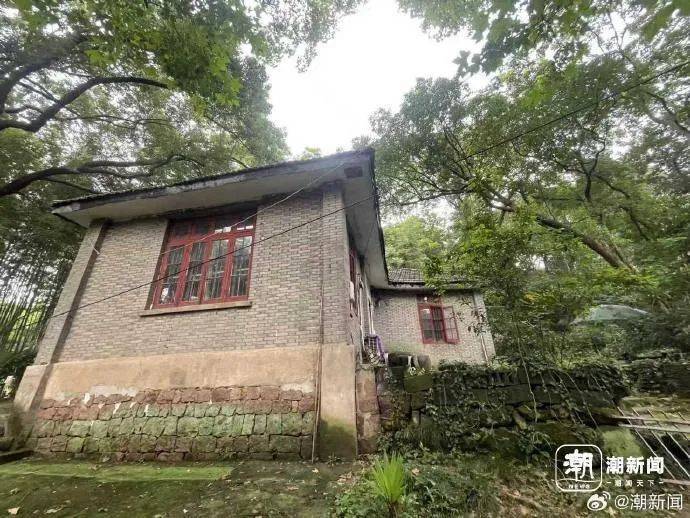
Core Viewpoint - The historic residence of Wu Dayu in Hangzhou is on the market for 100 million yuan, but the high price is questioned due to its age and lack of accessibility [1][4]. Group 1: Property Details - The property, built in the 1930s, has a total area of 108.86 square meters and consists of four single-story villas [1]. - The residence has been recognized as a historical building since 2010 and is located in a scenic area, which adds to its value [1][4]. - The asking price translates to approximately 920,000 yuan per square meter, which is considered high by local real estate agents [4]. Group 2: Market Context - A nearby property, the former residence of Cai Yuanpei, sold for 120 million yuan in 2021, with a size of about 276.08 square meters, resulting in a price of approximately 430,000 yuan per square meter [4]. - Another historical residence, Xu Qingfu's former home, was sold for 88.04 million yuan in 2019, with a size of 419.57 square meters, equating to about 210,000 yuan per square meter [4]. - The property market for historical buildings in the West Lake area is influenced by regulations that allow for "perpetual ownership" under certain conditions, but the maintenance costs and restrictions on modifications can deter potential buyers [4].
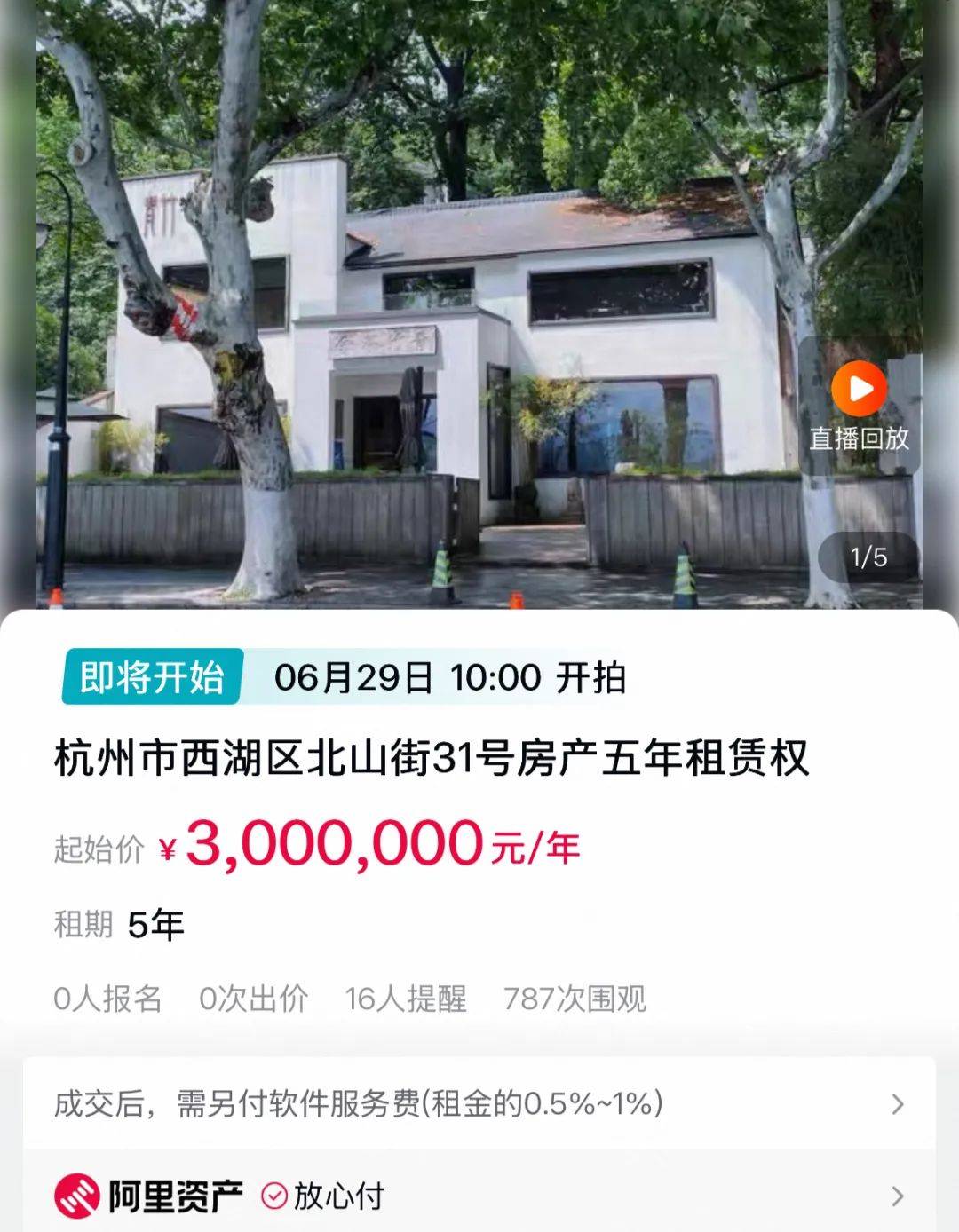
拥有“绝美西湖窗景”!杭州北山街网红楼拍卖租赁权,一年300万元
Sou Hu Cai Jing· 2025-06-14 03:00
Core Viewpoint - Recent developments in historical residences around West Lake, Hangzhou, particularly the auction of rental rights for a notable property, highlight the growing interest in repurposing these sites for commercial use, catering to tourism and local culture [1][4][10]. Group 1: North Mountain Street 31 - The property at North Mountain Street 31, a former Republican-era residence, is being auctioned for a five-year rental right, with a starting bid of 3 million yuan for the first year [4][10]. - The property features a total area of approximately 185 m² on the first floor, 154 m² on the second floor, and additional outdoor spaces, making it suitable for cultural and retail businesses [4][8]. - The auction stipulates that the new tenant must comply with local regulations, prohibiting certain business types that do not align with the scenic area's management requirements [8]. Group 2: Mailingshan House - The Mailingshan House, built in the 1930s by Cai Yuanpei and his family, has been undergoing a slow renovation process since its purchase for 120 million yuan in 2021, with significant structural work still pending [12][15][20]. - The property has been classified as a historical building, necessitating adherence to strict preservation guidelines, which has contributed to delays in the renovation process [15][17]. - Current observations indicate that construction has resumed, with scaffolding erected and materials on-site, although completion is projected to take at least another two years [17][20].