压岁钱减负

Search documents
压岁钱莫再卷金额
Xin Lang Cai Jing· 2026-02-24 05:58
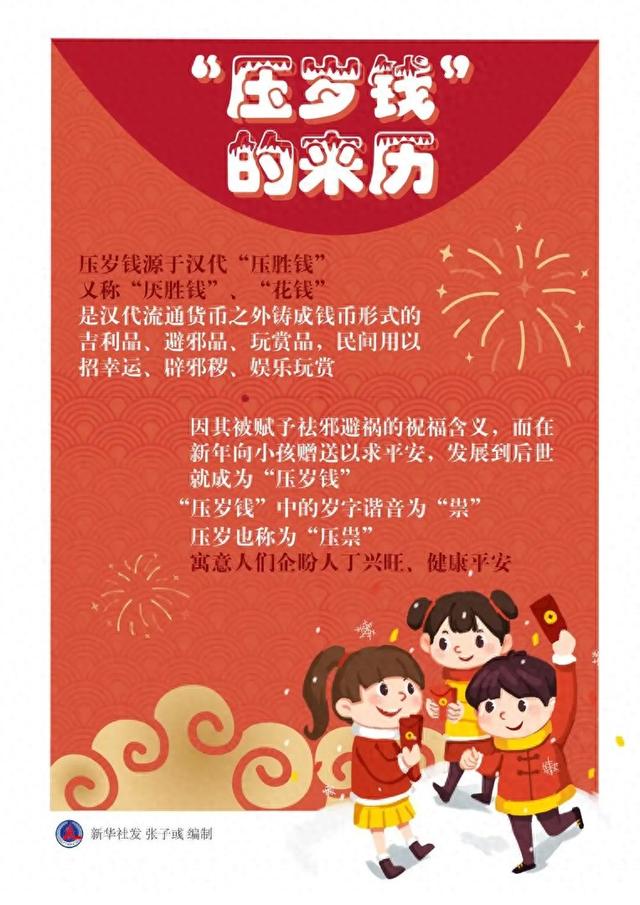
Group 1 - The topic of "Chinese New Year money" has sparked discussions, particularly the case of a mother asking her child to hand over 20,000 yuan, highlighting the increasing pressure and competition surrounding this tradition [1] - The amount of "Chinese New Year money" has significantly increased over the years, with reports indicating that in 1988, the total amount collected by students in a school was approximately 41,576 yuan, while the total monthly salary of the staff was only 3,677 yuan [1] - The tradition, which originally symbolized blessings and good fortune, has transformed into a burden due to rising expectations and comparisons among families, leading to financial strain for many [1] Group 2 - The growing trend of comparing "Chinese New Year money" may negatively influence children, potentially leading them to equate monetary value with emotional connections and fostering materialistic values [2] - A movement has emerged advocating for a reduction in the pressure associated with "Chinese New Year money," with a popular guideline suggesting amounts based on familial relationships, promoting the idea of valuing sentiment over monetary value [2] - The essence of "Chinese New Year money" should not be distorted; the focus should shift from monetary amounts to the heartfelt intentions behind the gifts, preserving the cultural significance of the tradition [2]
锐评|压岁钱“涨声不断”?该卷心意而非面值
Xin Lang Cai Jing· 2026-02-23 06:20
Core Viewpoint - The rising trend of "red envelope" amounts during the Chinese New Year has sparked discussions about the implications of monetary comparisons among children and the societal pressures it creates [1][2][3] Group 1: Historical Context - The tradition of giving "red envelopes" has evolved significantly, with amounts increasing from tens to thousands of yuan over the past four decades [2] - In the late 1980s, the average amount of "red envelopes" began to rise, reflecting the increasing living standards and societal expectations [1] Group 2: Societal Implications - The competitive nature of "red envelope" giving has transformed it from a symbol of blessings to a burden for adults, who feel pressured to give substantial amounts [2] - The focus on monetary value may lead children to develop a materialistic mindset, overshadowing the genuine emotional connections intended by the tradition [3] Group 3: Emerging Trends - A movement towards reducing the monetary value of "red envelopes" is gaining traction, with initiatives promoting smaller amounts to emphasize the sentiment behind the gift rather than its financial value [3] - Social media campaigns and local government initiatives are advocating for a return to the original meaning of "red envelopes," encouraging a culture of heartfelt giving rather than monetary competition [3]