成长金库

Search documents
银行新春上演“红包争夺战” 亲子账户撬动家庭金融新蓝海
Zhong Guo Jing Ying Bao· 2026-02-24 08:00
Core Viewpoint - A competition among banks has emerged regarding children's New Year's money, with various financial products being launched to convert idle family savings into long-term savings assets, reflecting a trend towards more refined family financial services [1] Group 1: Financial Products - Multiple commercial banks have introduced specialized products such as "New Year's Money Deposits," "Parent-Child Accounts," and "Growth Funds," with many offering higher returns than standard bank deposit products [1] - The one-year interest rate for New Year's money deposits has reached 1.5%, with some banks offering rates as high as 1.3985% [2] - Banks are using these products as customer acquisition tools, offering incentives like higher interest rates and rewards to attract deposits [2][3] Group 2: Market Dynamics - The influx of New Year's money during the holiday season provides banks with a significant and stable funding source, allowing them to invest in higher-yield assets [3] - The introduction of parent-child accounts addresses the dual needs of parents to manage their children's funds and educate them about financial literacy [4] - The trend towards children's financial products is seen as a strategic move for banks to secure low-cost, long-term funding and to build relationships with young customers [6] Group 3: Competitive Landscape - The launch of similar products by multiple banks is expected to intensify market competition, necessitating continuous investment in product development and marketing to avoid homogenization [6] - The overall growth in non-banking financial institution deposits indicates a robust market for these financial products, with a year-on-year increase of 22.8% [5]
锐评|压岁钱“涨声不断”?该卷心意而非面值
Xin Lang Cai Jing· 2026-02-23 06:20
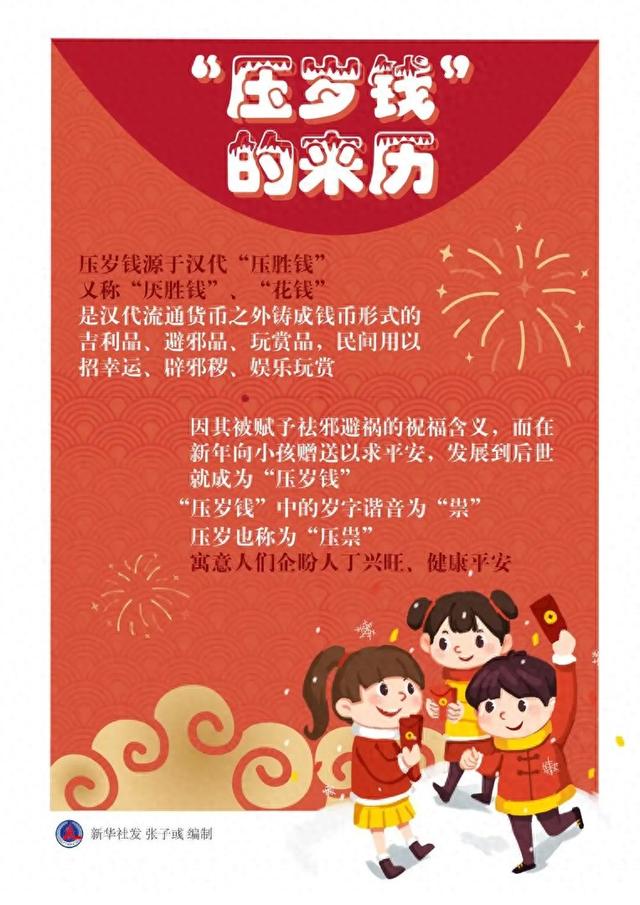
Core Viewpoint - The rising trend of "red envelope" amounts during the Chinese New Year has sparked discussions about the implications of monetary comparisons among children and the societal pressures it creates [1][2][3] Group 1: Historical Context - The tradition of giving "red envelopes" has evolved significantly, with amounts increasing from tens to thousands of yuan over the past four decades [2] - In the late 1980s, the average amount of "red envelopes" began to rise, reflecting the increasing living standards and societal expectations [1] Group 2: Societal Implications - The competitive nature of "red envelope" giving has transformed it from a symbol of blessings to a burden for adults, who feel pressured to give substantial amounts [2] - The focus on monetary value may lead children to develop a materialistic mindset, overshadowing the genuine emotional connections intended by the tradition [3] Group 3: Emerging Trends - A movement towards reducing the monetary value of "red envelopes" is gaining traction, with initiatives promoting smaller amounts to emphasize the sentiment behind the gift rather than its financial value [3] - Social media campaigns and local government initiatives are advocating for a return to the original meaning of "red envelopes," encouraging a culture of heartfelt giving rather than monetary competition [3]