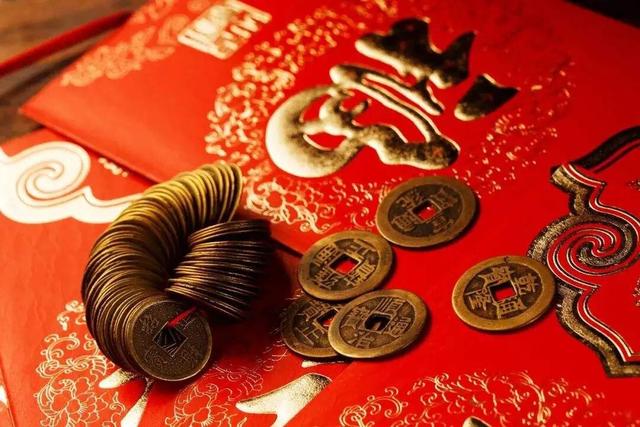
压岁钱文化

Search documents
过年的9个晚上|藏在压岁钱里的年味与人情味
Xin Lang Cai Jing· 2026-02-18 12:08
Group 1 - The article highlights the significance of the Chinese New Year and the cultural practices surrounding it, particularly the tradition of giving and receiving "lucky money" or "压岁钱" [1][6] - The practice of "撕吧" (the playful negotiation of giving and receiving lucky money) is a unique cultural aspect in Northeast China, emphasizing the importance of social interactions and familial bonds [3][4] - The amount of lucky money given in Northeast China has historically been higher than the national average, reflecting regional cultural values and economic conditions [4][5] Group 2 - The tradition of giving lucky money extends beyond children to newlywed couples, symbolizing blessings and support within families [5] - Despite changes in how money is exchanged (e.g., digital red envelopes), the emotional and cultural significance of lucky money remains strong, representing familial love and traditional values [6] - The anticipation of receiving lucky money continues to be a cherished aspect of the New Year celebrations for children, highlighting the enduring nature of these traditions [5][6]
妙趣中国年:“大龄未婚的你,给晚辈压岁钱了吗”
Xin Lang Cai Jing· 2026-02-13 23:51
Core Viewpoint - The article discusses the cultural significance and evolving practices surrounding the tradition of giving "lucky money" (压岁钱) during the Chinese New Year, particularly focusing on the dilemmas faced by unmarried individuals regarding whether to give or receive such money [2][10][15]. Group 1: Historical Background - The tradition of "lucky money" has its origins in ancient Chinese customs, initially known as "压胜钱," which served as a protective charm rather than a circulating currency [6]. - The term "压岁钱" became officially recognized during the Qing Dynasty, where it was customary for adults to give red-wrapped coins to children, symbolizing good fortune and longevity [7]. - Over time, the practice evolved from protective charms to actual currency, reflecting changes in societal norms and economic conditions [6][7]. Group 2: Regional Variations - Different regions in China have distinct customs regarding "lucky money." In some areas, unmarried individuals are still considered "children" and can receive "lucky money" regardless of age [10]. - In Guangdong, the concept of "利是" emphasizes the symbolic meaning over the monetary value, allowing unmarried individuals to receive money while married individuals are expected to give [11]. - In contrast, northern regions prioritize the amount and the ritualistic aspects of giving "lucky money," where the distribution is based on familial hierarchy rather than marital status [13]. Group 3: Cultural Significance - The essence of giving "lucky money" lies in the sentiment rather than the monetary value, highlighting the importance of relationships and cultural traditions over rigid expectations [15][17]. - The article emphasizes that the act of giving or receiving "lucky money" should be flexible and respectful of customs, allowing individuals to navigate these traditions according to personal circumstances [15].