东北年俗

Search documents
过年的9个晚上|藏在压岁钱里的年味与人情味
Xin Lang Cai Jing· 2026-02-18 12:08
Group 1 - The article highlights the significance of the Chinese New Year and the cultural practices surrounding it, particularly the tradition of giving and receiving "lucky money" or "压岁钱" [1][6] - The practice of "撕吧" (the playful negotiation of giving and receiving lucky money) is a unique cultural aspect in Northeast China, emphasizing the importance of social interactions and familial bonds [3][4] - The amount of lucky money given in Northeast China has historically been higher than the national average, reflecting regional cultural values and economic conditions [4][5] Group 2 - The tradition of giving lucky money extends beyond children to newlywed couples, symbolizing blessings and support within families [5] - Despite changes in how money is exchanged (e.g., digital red envelopes), the emotional and cultural significance of lucky money remains strong, representing familial love and traditional values [6] - The anticipation of receiving lucky money continues to be a cherished aspect of the New Year celebrations for children, highlighting the enduring nature of these traditions [5][6]
打卡乐山大集 一站式备齐过年所需
Xin Lang Cai Jing· 2026-01-25 10:00
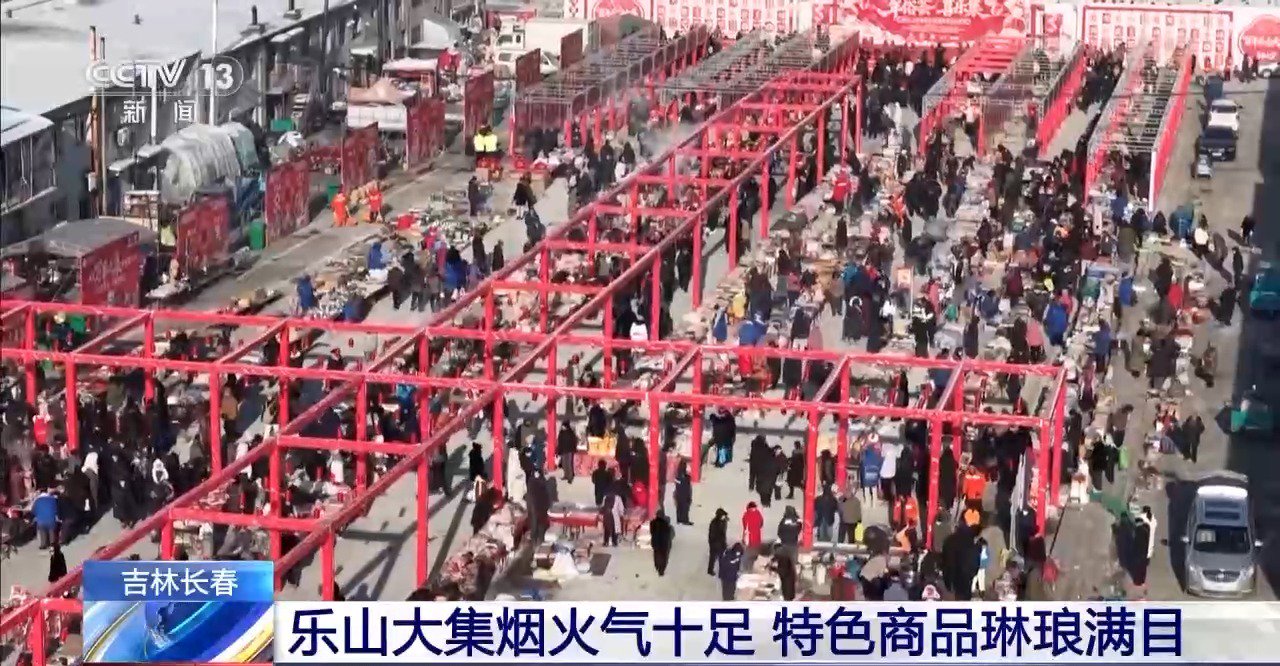
Core Viewpoint - The article highlights the vibrant atmosphere of the Le Shan Market in Changchun, Jilin, as it prepares for the Lunar New Year, showcasing a variety of local products and attracting both locals and tourists [1]. Group 1: Market Overview - The Le Shan Market features over 390 stalls and more than 2,000 types of products, providing a one-stop shop for various New Year necessities, from food to decorations [3]. - The market has become a hub for agricultural and cultural tourism, enhancing its popularity among visitors [1]. Group 2: Food Offerings - The food section of the market offers traditional Northeast delicacies, with vendors reporting significant sales, such as one vendor selling over 600 yuan worth of cornmeal pancakes in the morning [5]. - The market includes a section for fresh poultry and livestock, emphasizing locally raised "native" chickens and pigs, which are preferred by local consumers [7]. Group 3: Specialty Products - The frozen goods section features traditional items like frozen pears and persimmons, which are essential for festive gatherings in Northeast China [9]. - The dried goods area is popular, with local farmers selling homemade dried vegetables, which are both flavorful and long-lasting, contributing to the local economy [11]. Group 4: Modern Integration - The market incorporates modern elements, such as village leaders conducting live-stream sales for local products like rice and soybean oil, enhancing its reach [13]. - The average daily sales at the Le Shan Market have reached 5 million yuan, attracting a diverse range of visitors, including international students [13].