
受关注外国实体(FEOC)

Search documents
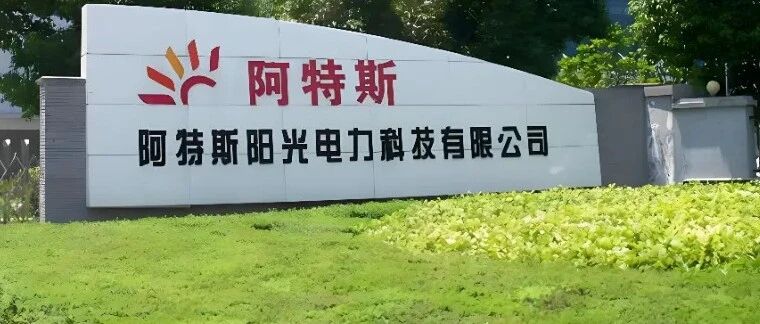
我们拆解了阿特斯“美国副本”,更高博弈在牌桌之外
阿尔法工场研究院· 2025-12-05 00:07
Core Viewpoint - The article discusses how Chinese photovoltaic giant, Arctech (阿特斯), is adapting its business model in response to the U.S. Inflation Reduction Act (IRA) by establishing joint ventures in the U.S. to comply with regulatory requirements and secure tax incentives [6][10]. Group 1: Joint Venture Structure - Arctech announced the establishment of two joint ventures, M and N, with its parent company Canadian Solar Inc. (CSIQ), focusing on photovoltaic and energy storage businesses in the U.S. [3][7]. - Arctech holds a 24.9% stake in the joint ventures, while CSIQ holds 75.1%, strategically positioning itself below the 25% threshold that could classify it as a "Foreign Entity of Concern" (FEOC) under U.S. regulations [7][8]. - This structure aims to ensure compliance with U.S. regulations while allowing Arctech to operate in the American market [9][10]. Group 2: Supply Chain Restructuring - The joint venture model involves a restructuring of Arctech's existing supply chain, including the reallocation of control over three overseas factories located in Thailand, Vietnam, and Malaysia [8][9]. - The goal is to ensure that the entire supply chain, from components to final products, meets U.S. compliance standards, thereby mitigating risks associated with FEOC classification [9][10]. - Arctech's operational model will shift from a global approach to a dual-track system, focusing on non-U.S. markets while CSIQ manages U.S. operations [8][10]. Group 3: Strategic Implications - The restructuring is seen as a proactive measure to secure significant tax credits under the IRA, which are crucial for offsetting high production costs in the U.S. [10][11]. - Arctech's approach serves as a potential blueprint for other Chinese renewable energy companies facing similar compliance challenges in the U.S. market [10][11]. - The article highlights the strategic evolution of Chinese companies from merely exporting products and capital to developing compliant operational frameworks [11]. Group 4: Compliance Challenges - Despite the strategic restructuring, challenges remain regarding the "cleanliness" of the supply chain, as U.S. regulations require thorough documentation and traceability of materials used in production [12][13]. - The complexity of the supply chain, particularly in sourcing high-purity silicon, poses significant hurdles for compliance with U.S. standards [12][13]. - Companies must invest in comprehensive supply chain management systems and may face increased operational costs due to compliance requirements [12][13]. Group 5: Regulatory Environment - The article warns that the U.S. regulatory landscape is dynamic, with potential changes to FEOC definitions and compliance requirements that could impact Arctech and similar companies [13][15]. - The evolving nature of U.S. regulations necessitates ongoing adaptation and vigilance from companies operating in the renewable energy sector [15].


全球感知|新能源企业出海 合规经营呼唤 “中外协作”法务模式
Xin Hua Cai Jing· 2025-09-20 06:08
Core Viewpoint - Chinese new energy companies are becoming key players in driving global energy transition, but they must manage risks and ensure compliance to operate successfully in international markets [1][2]. Group 1: Regulatory Compliance - The EU's Battery and Waste Battery Regulation mandates that from February 18, 2027, batteries for light vehicles, electric vehicles, and industrial batteries over 2kWh must have a "battery passport" for market entry [1]. - Compliance with EU regulations in labor, data protection, and corporate governance is crucial for Chinese new energy firms to succeed in Europe [2]. - High compliance costs present opportunities for companies to establish systems that meet EU standards, potentially eliminating weaker competitors [2]. Group 2: Strategic Approaches - Companies can adopt differentiated competition strategies, such as shifting focus from saturated lithium battery markets to niche markets like nickel-hydride batteries [3]. - Small and medium enterprises should prioritize practical compliance by forming "China-foreign cooperation" legal teams and partnering with local law firms with established resources [3]. - A flexible "one country, one policy" strategy is recommended for market entry, adapting to local conditions and investment environments [4]. Group 3: Risk Management - Geopolitical factors, such as the U.S. Inflation Reduction Act, pose significant risks, preventing Chinese battery companies from accessing U.S. clean energy tax credits and placing them at a competitive disadvantage [3]. - Compliance should be integrated into business processes rather than being confined to legal departments, requiring dynamic databases to support regulations like the "battery passport" [4]. - Due diligence on overseas partners is essential to avoid involvement in local corruption or legal issues [4].