可复制的生鲜进口通路

Search documents
“车厘子快线”背后的中国速度
Bei Jing Shang Bao· 2025-12-08 13:15
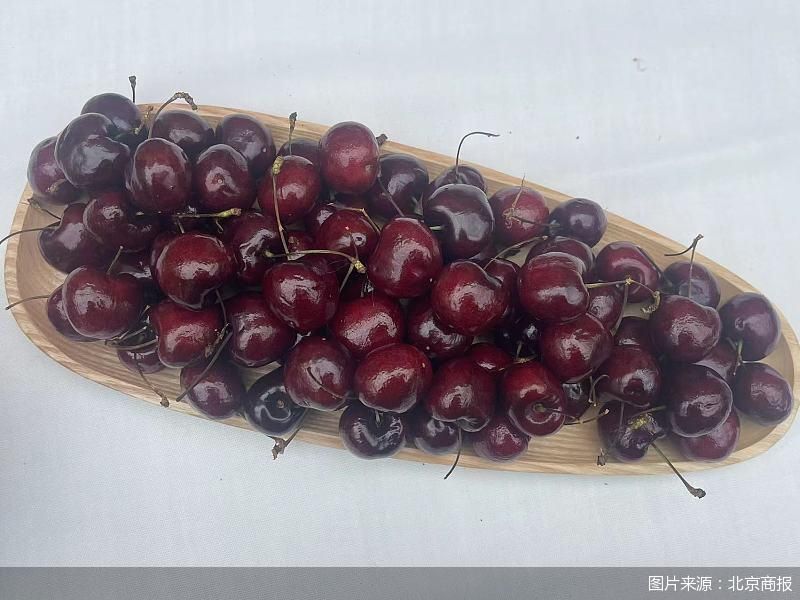
Core Insights - The early arrival of a cargo ship carrying over 7,800 tons of Chilean cherries at Guangzhou Nansha Port marks the official start of the 2025-2026 Southern Hemisphere cherry season, highlighting a significant efficiency revolution in China's fresh produce supply chain [1][3] Group 1: Market Dynamics - Chile is the largest source of imported cherries for China, with over 90% of its cherries exported to the country, making Guangzhou Nansha Port a crucial hub for this trade [3] - The current season anticipates 19 dedicated ships and over 10,000 containers of Chilean cherries, with the early-arriving shipment being a pioneer of this influx [3] - The main variety imported this season is the early-ripening "Santina," known for its large size and moderate sweetness [3] Group 2: Supply Chain Efficiency - The shipping segment has seen a qualitative leap, with Mediterranean Shipping Company launching a direct route from South America to Nansha, reducing the traditional 28-30 day journey to 23 days, which is a key factor in the earlier arrival [3][5] - Customs has facilitated faster clearance by allowing companies to utilize measures like "advance declaration" and "conditional release," significantly reducing waiting times for cargo [4] Group 3: Pricing and Consumer Trends - The total volume of cherries arriving this season is expected to increase by approximately 30% year-on-year, with the sea freight proportion rising from 75% to 90%, leading to a 15%-20% reduction in overall arrival costs [5] - Wholesale prices are projected to decrease by 10%-15% compared to the same period last year, indicating a shift in cherries from a high-end gift item to a more common fruit [5] Group 4: Competitive Landscape - Competition is shifting from "channel price competition" to "supply chain efficiency competition," where the ability to deliver quality fruit quickly and with minimal loss becomes the competitive edge [6] - Importers are transitioning from merely securing goods to focusing on rapid distribution, especially in lower-tier markets, while retailers are creating differentiated value through packaging and freshness technologies [6] Group 5: Replicable Supply Chain Model - The efficient supply chain upgrade initiated with cherries is seen as a model that can be replicated for other high-perishability imports like blueberries and avocados [7] - The underlying logic of this model is based on supply chain collaboration, policy facilitation, and infrastructure improvements, making it highly adaptable [7] - Major ports in China, such as Tianjin, Shanghai, and Ningbo, are already exploring similar models for other fruits, indicating a broader trend in the industry [7]