可持续矿业开发

Search documents
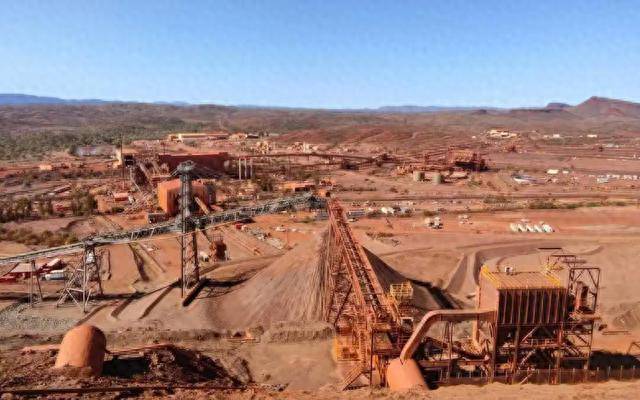
哈萨克铁矿石探明储量超91亿吨,新疆的铁矿储量又是多少?
Sou Hu Cai Jing· 2025-07-24 01:07
Core Insights - Kazakhstan and Xinjiang are significant players in iron ore resources, with Kazakhstan having proven reserves exceeding 9.1 billion tons and Xinjiang around 3.53 billion tons, with potential to exceed 9 billion tons [2][5] Group 1: Kazakhstan's Iron Ore Resources - Kazakhstan's iron ore resources are primarily located in Kostanay and Karaganda regions, which account for over 90% of the country's reserves [2] - The average iron content in Kazakhstan's iron ore is over 65%, making it high-grade ore that is easy to mine and smelt [2] - The Eurasian Resources Group, which is partially state-owned, manages significant deposits, including the Kachary, Sokolov, and Sarbai deposits, totaling 6 billion tons [2][3] - Kazakhstan's iron ore production in 2022 was 53.4 million tons, with a significant portion exported to China due to high demand [2] Group 2: Historical Context and Future Prospects - Kazakhstan's prominence in iron ore dates back to the Soviet era when it was a major supplier and steel production center [3] - The country plans to initiate the Romanovskoye iron ore project by 2027, with reserves of 74 million tons and an iron content of over 67% [3] - Future estimates suggest Kazakhstan's reserves could reach 17 billion tons, with 60% being high-grade or easily selectable ore [3] Group 3: Xinjiang's Iron Ore Resources - Xinjiang has proven iron ore reserves of 3.53 billion tons, with potential reserves exceeding 9 billion tons [5] - The main mining areas are the Western Tianshan Aulral and Western Kunlun Kushkurgan mineral belts, containing 332 iron ore deposits [5] - Xinjiang's iron ore grade ranges from 40% to 50%, higher than the national average of 34.5% [5] Group 4: Economic and Trade Implications - Kazakhstan's iron ore exports are crucial for foreign exchange, with Chinese companies increasingly investing in joint ventures for iron and steel production [5][6] - The collaboration between China and Kazakhstan is deepening under the Belt and Road Initiative, with significant trade in mineral products [6] - Xinjiang's iron ore supports local steel industries, but logistical challenges exist due to the remote locations of mining areas [5][6] Group 5: Employment and Policy Environment - Both Kazakhstan and Xinjiang's mining sectors provide substantial employment opportunities, with good wages but safety concerns in Kazakhstan [8] - Kazakhstan offers tax incentives to attract foreign investment, while Xinjiang benefits from national strategic support and funding [8] - The cooperation between China and Kazakhstan is expected to enhance resource complementarity, balancing China's steel production needs with local supply [8]