
台湾抗日斗争

Search documents
台湾这座古宅所有正房大门都“坐东朝西”向着大陆 原因让人动容
Yang Shi Xin Wen Ke Hu Duan· 2025-10-25 08:37
Core Viewpoint - The article commemorates the 80th anniversary of Taiwan's liberation from Japanese rule, highlighting the historical significance of the Wufeng Lin family and their contributions to the anti-Japanese resistance in Taiwan [2][12]. Group 1: Historical Context - The Wufeng Lin family has a rich history dating back to 1746, with significant contributions to Taiwan's governance and military efforts against foreign rule [2][4]. - The family played a crucial role during the Japanese colonial period, with members actively participating in both armed and cultural resistance against Japanese oppression [2][11]. Group 2: Key Figures and Contributions - Lin Wencha, a prominent figure in the Lin family, was known for his military prowess and efforts to modernize Taiwan, including infrastructure development [4]. - Lin Zumi, a descendant, was instrumental in supporting various anti-Japanese movements and emphasized the importance of national identity and heritage [8][12]. Group 3: Cultural Resistance - The Lin family not only engaged in armed resistance but also contributed to cultural movements aimed at awakening national consciousness among Taiwanese people [10][11]. - The establishment of the Taiwan Cultural Association by family members aimed to preserve and promote Taiwanese culture as a form of resistance against Japanese influence [11]. Group 4: Legacy and Modern Implications - The article discusses the ongoing efforts to preserve the history of Taiwanese resistance against Japanese rule, particularly through the establishment of organizations that aim to educate future generations [12][14]. - The narrative emphasizes the importance of remembering and honoring the sacrifices made by Taiwanese people during the anti-Japanese struggle, countering contemporary political narratives that seek to reinterpret this history [12][14].

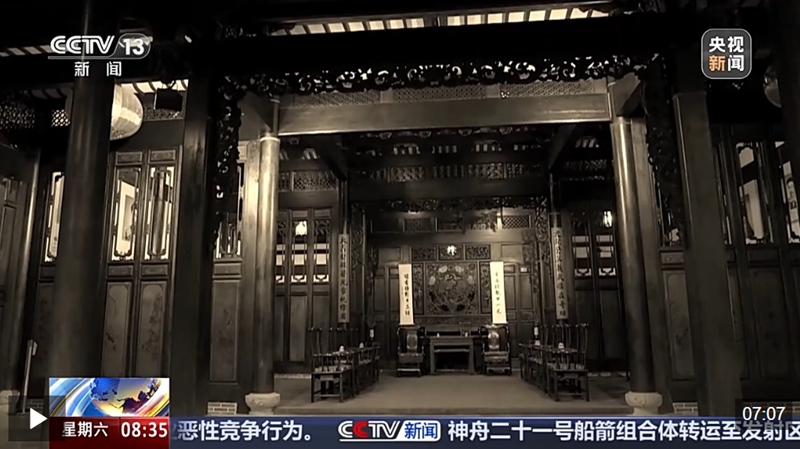
【光复80载 抗日卫家国】雾峰林家:有国才有家 爱家先爱国
Yang Shi Wang· 2025-10-25 03:22
Core Viewpoint - The article commemorates the 80th anniversary of Taiwan's liberation from Japanese rule, highlighting the historical struggles and resistance of Taiwanese people against Japanese colonialism [1] Group 1: Historical Context - The defeat in the First Sino-Japanese War in 1895 led to the signing of the Treaty of Shimonoseki, resulting in Taiwan being ceded to Japan [1] - Taiwanese resistance against Japanese rule lasted for half a century, culminating in Taiwan's liberation in 1945 following Japan's defeat in World War II [1] Group 2: Cultural Significance - The experiences of Taiwanese individuals in seeking their homeland are described as a narrative filled with deep emotional and historical significance [1] - The series of reports titled "80 Years of Liberation: Defending the Country Against Japanese Aggression" aims to explore and document these historical narratives [1] Group 3: Notable Families and Figures - The article features the Lin family from Wufeng District, Taichung City, known for their long-standing resistance against Japanese colonial rule, both through armed and non-armed means [1] - The Lin family's legacy is highlighted as a significant part of Taiwan's historical resistance efforts during the 50 years of Japanese occupation [1]