合理用药

Search documents
心梗合并哮喘,这样用药小心加重缺血!
Xin Lang Cai Jing· 2026-02-08 10:17
Core Viewpoint - The article discusses a case of a 59-year-old male patient hospitalized for acute inferior myocardial infarction, who experienced an acute asthma attack during treatment, highlighting the importance of evidence-based and rational medication use in clinical practice [1]. Group 1 - The patient has a 20-year history of bronchial asthma, which is relevant to his current medical condition [1]. - The prescribed treatment includes the administration of 0.3g of theophylline via intravenous drip once daily [2].
老年人用药,不是“多多益善”
Ren Min Ri Bao· 2026-01-20 06:10
Core Viewpoint - The use of medication among the elderly is a "double-edged sword," where it can either treat diseases or cause harm due to polypharmacy and improper medication management [1][2][3] Group 1: Current Situation of Elderly Medication - A significant portion of elderly individuals (over 60 years old) suffer from multiple chronic diseases, with nearly half having four or more chronic conditions [1] - Approximately 70% of elderly individuals in China take more than five types of medication daily, including prescribed drugs and over-the-counter supplements [1] - The complexity of medication regimens increases management difficulties and poses risks of drug interactions, which can lead to adverse effects such as liver and kidney damage [1][2] Group 2: Causes of Inappropriate Medication Use - There is a widespread misconception among the elderly that "more medication equals better treatment," leading to a lack of understanding of proper medication use [1][2] - Multiple consultations across different specialties often result in fragmented care, where each specialist prescribes medications without considering potential interactions [1][2] - The absence of adequate guidance on rational medication use from healthcare providers contributes to the problem [2] Group 3: Consequences of Inappropriate Medication Use - Inappropriate medication use is gradually undermining the health of the elderly, as their liver and kidney functions typically decline with age, making them more susceptible to medication-related issues [2] - Statistics indicate that approximately 1 in 7 elderly individuals die not from natural aging or diseases, but from inappropriate medication use [2] Group 4: Recommendations for Improvement - Healthcare providers should adopt a "precision medication" approach, ensuring thorough understanding of patients' medical histories to avoid unnecessary prescriptions [3] - Hospitals should implement medication assessment mechanisms for elderly patients with chronic diseases to regularly adjust their medication plans [3] - Community initiatives should focus on educating the elderly about rational medication use through health seminars and personalized consultations [3] - Families should discourage elderly individuals from purchasing unnecessary supplements and ensure they adhere to prescribed medication regimens [3] - Pharmaceutical companies should enhance the readability of medication instructions to cater to the elderly, making them clearer and more accessible [3]
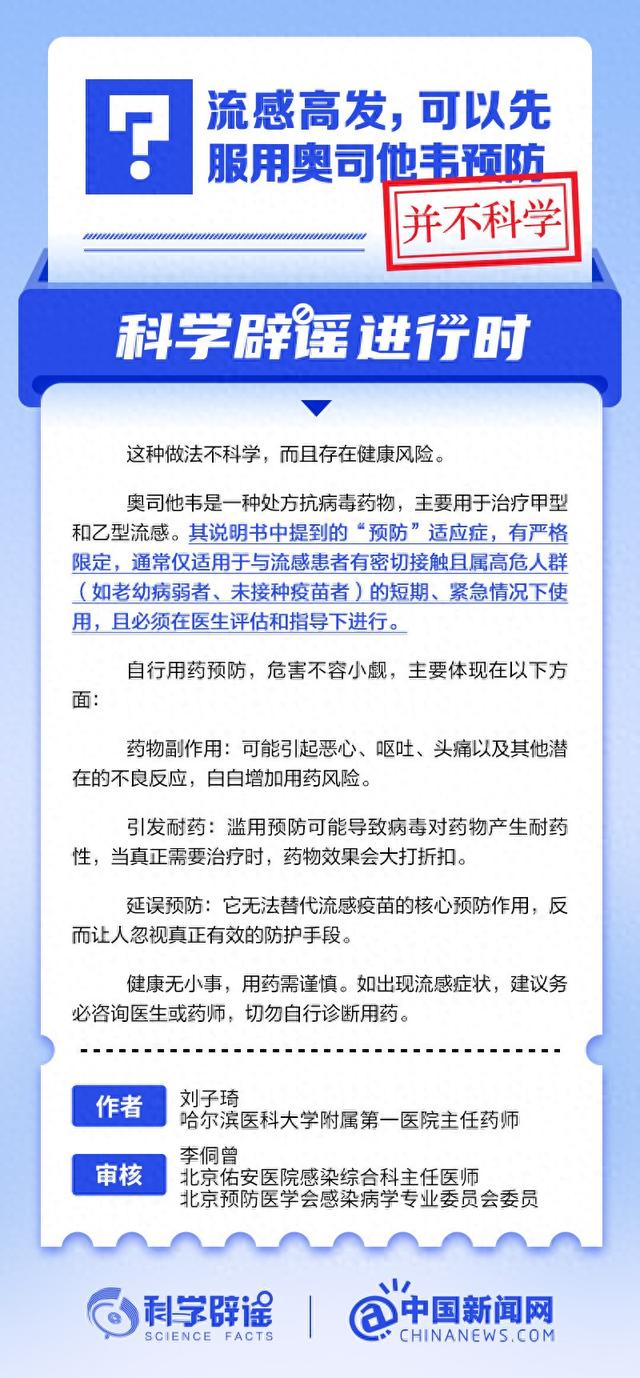
流感高发,可以先服用奥司他韦预防?丨中新真探
Xin Lang Cai Jing· 2026-01-19 11:00
Group 1 - Oseltamivir is a prescription antiviral drug primarily used for the treatment of influenza A and B [1] - The indication for "prevention" is strictly limited, typically applicable only in short-term, emergency situations for high-risk groups such as the elderly, young, and those with underlying health conditions who have close contact with influenza patients [1] - Usage must be conducted under the assessment and guidance of a physician [1] Group 2 - It is advised to consult a doctor or pharmacist if flu symptoms appear, and self-diagnosis and medication should be avoided [3]

合理用药 守护健康
Xin Lang Cai Jing· 2026-01-15 00:53
Core Viewpoint - Rational drug use is essential for safety, effectiveness, and cost-effectiveness, and improper use can endanger health and life [1][2] Group 1: Principles of Rational Drug Use - Rational drug use should follow principles of safety, effectiveness, economy, and appropriateness, including avoiding unnecessary medications and preferring oral administration over injections [1] - It is crucial to consult a doctor or pharmacist if any discomfort occurs during medication use [1] - Medications should be purchased from reputable pharmacies and hospitals, with careful reading of instructions and checking expiration dates [1] Group 2: Special Considerations - Special populations such as the elderly, children, pregnant and breastfeeding women, and patients with liver or kidney dysfunction should adhere strictly to medical advice and not use standard dosages [1] - Attention should be given to antibiotics, which can have adverse effects and toxicity; proper guidance from a doctor is necessary to prevent misuse [1] Group 3: Dietary Restrictions During Medication - During medication, dietary restrictions are important; for example, patients on warfarin should avoid large amounts of broccoli and spinach [2] - Alcohol consumption is prohibited for patients taking cephalosporins due to the risk of disulfiram-like reactions, which can be life-threatening [2] - Caffeine should be avoided for those on sedative medications, as it may reduce the effectiveness of these drugs and worsen sleep quality [2]
济南市五院成功举办药学会基层用药专业委员会2025年学术年会
Qi Lu Wan Bao· 2025-11-28 07:49
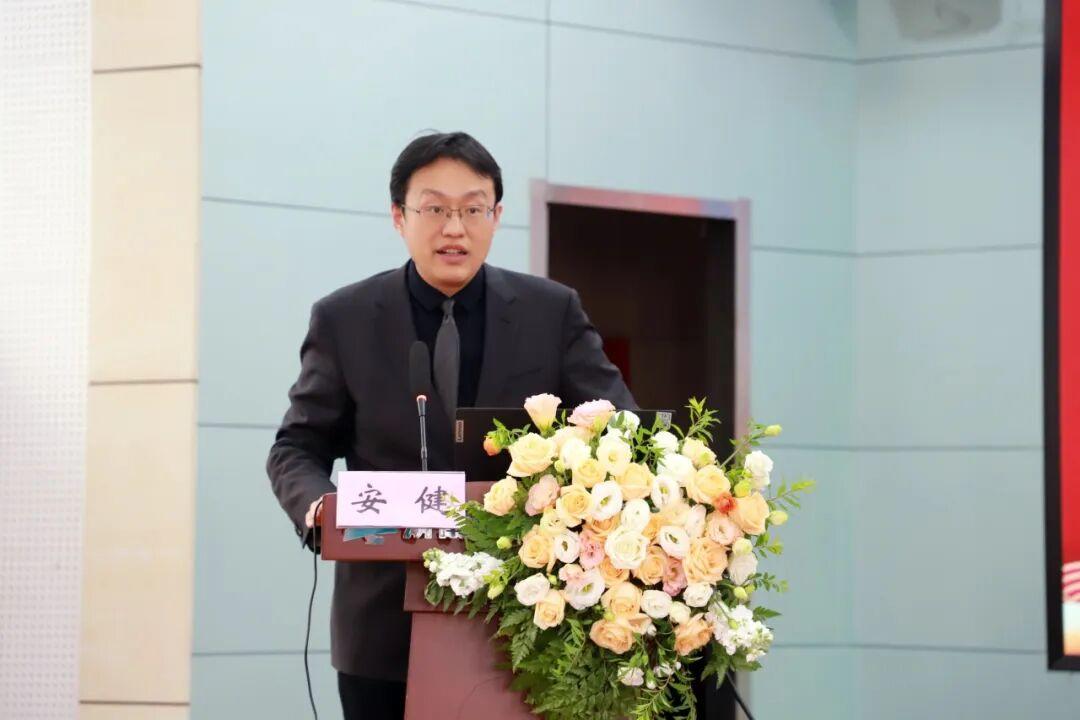
Core Insights - The conference focused on advancements in geriatric pharmacy and oncology pharmacy, addressing challenges and opportunities in grassroots medication management [7][10] - The event was organized by the Jinan Pharmaceutical Association and hosted by the Fifth People's Hospital of Jinan, highlighting the importance of collaboration among healthcare professionals [1][9] Group 1: Conference Overview - The academic meeting was successfully held at the Fifth People's Hospital of Jinan, with over 90 participants including key figures from the hospital and the pharmaceutical association [1] - The meeting included an opening ceremony and specialized forums, emphasizing high-level academic exchanges [7] Group 2: Key Speakers and Contributions - Keynote speeches were delivered by prominent figures such as An Jian, the hospital's Party Secretary, and Zang Hengchang, Vice President of the Jinan Pharmaceutical Association, who emphasized the importance of enhancing pharmaceutical services [9][5] - Yang Guangcheng, the hospital's Vice President, discussed the achievements of the pharmacy department in quality control, research innovation, and community support [5] Group 3: Specialized Topics - The specialized forum featured discussions on topics such as pharmaceutical care for chronic diseases and patient education in oncology, led by experts from various hospitals [10] - Presentations included insights on medication management for elderly patients and the importance of pharmacogenomics in ensuring patient safety [10] Group 4: Conclusion and Future Directions - The conference concluded with a summary by Tian Guizhen, who expressed gratitude to participants and highlighted the event's role in shaping the future of grassroots pharmaceutical services [12] - The meeting aimed to foster collaboration among pharmaceutical professionals to enhance medication safety and patient health outcomes [12]