名人美妆

Search documents
42亿“打水漂”,网红美妆拖累投资人
3 6 Ke· 2025-12-22 05:42
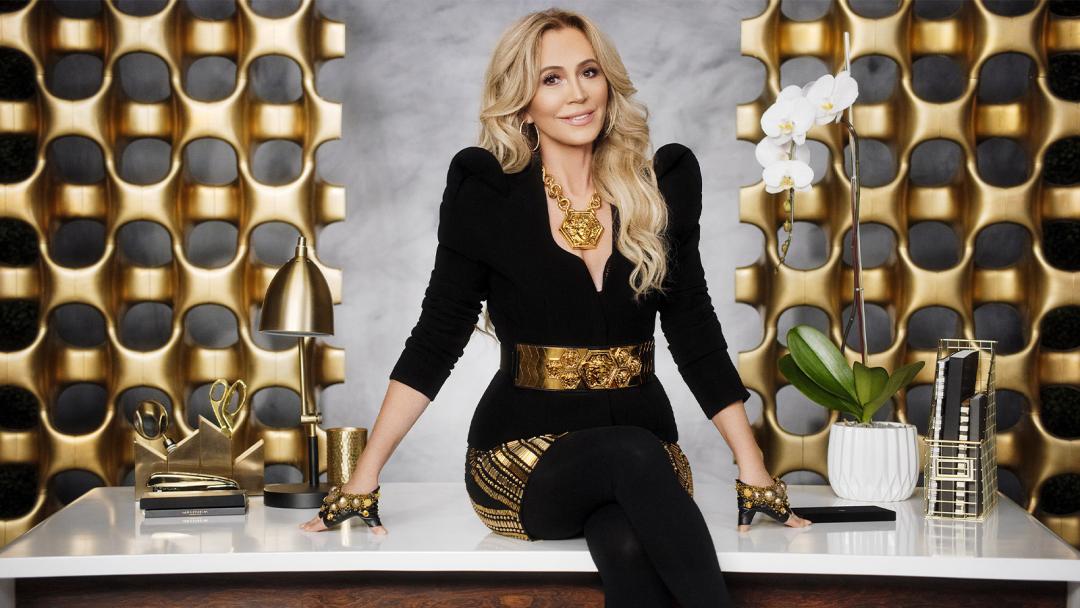
Core Viewpoint - TPG Capital has significantly reduced its stake in Anastasia Beverly Hills (ABH) to approximately 6% as part of a debt restructuring process, indicating a reassessment of the brand's value in light of declining performance and market conditions [1][3]. Group 1: Company Overview - ABH was founded in 1997 by Anastasia Soare and initially gained fame through high-end eyebrow design services and the "golden ratio eyebrow shaping method" [6]. - The brand's annual sales once exceeded $300 million (approximately 2.1 billion RMB), with notable products like the "Renaissance" eyeshadow palette gaining popularity in the Chinese market [1][7]. - TPG Capital acquired about 38% of ABH in 2018, using a mixed financing structure that included debt taken on by ABH itself [1][3]. Group 2: Financial Performance - ABH's sales have declined significantly, with a reported 12% drop in net sales to $69.8 million (approximately 490 million RMB) in Q3 2023 [7]. - The company's debt rating was downgraded from CCC to D (default level) by S&P Global Ratings in August 2025 due to failure to meet debt obligations [3]. - TPG's investment of $600 million (approximately 4.23 billion RMB) in ABH has largely diminished in value due to the brand's financial struggles [3][7]. Group 3: Market Dynamics - The decline in ABH's performance reflects broader challenges in the beauty industry, particularly for celebrity-driven brands as social media influence wanes [11][15]. - The shift in consumer preferences towards more natural makeup looks has diminished the appeal of ABH's previously popular products [7][15]. - ABH's efforts to expand into the Chinese market have not yielded significant results compared to local competitors, with its high-end pricing strategy limiting its market penetration [10][11]. Group 4: Investment Implications - TPG's exit from ABH highlights the risks associated with high leverage and the sustainability of growth in the beauty sector, particularly for brands reliant on social media and celebrity endorsements [11][16]. - The changing investment landscape, with a focus on cash flow and debt structure, suggests that brands must adapt to maintain investor interest and ensure long-term viability [16][17].

估值百亿的名人品牌仍遭抛售?
3 6 Ke· 2025-10-22 12:28
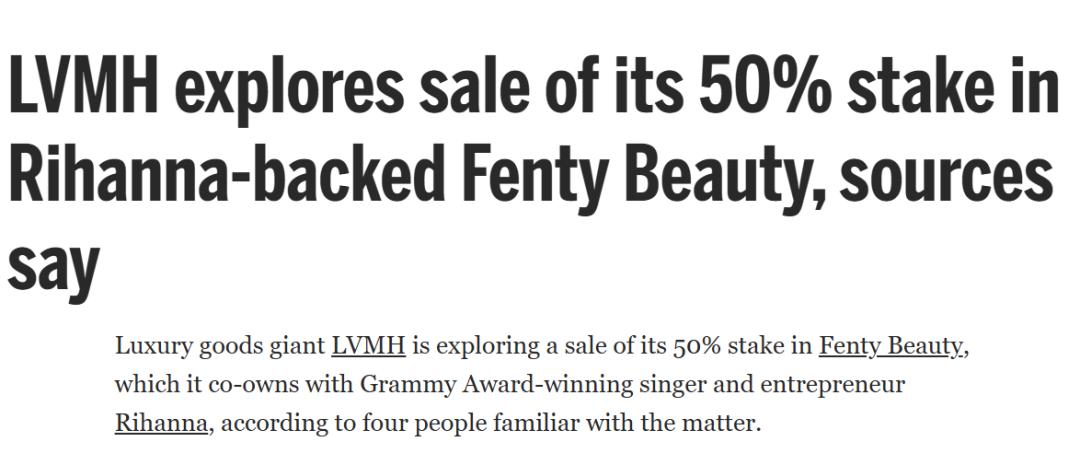
Core Insights - The overall growth of international beauty companies is slowing down in the first half of 2025, prompting them to optimize their organizations through sales and personnel adjustments to rebuild growth trajectories [1] - Major luxury groups are accelerating acquisition and divestiture activities, as evidenced by Kering Group's recent sale of its fragrance brand Creed to L'Oréal and the establishment of a long-term strategic partnership [1] Company Summaries - LVMH is reportedly exploring the sale of a 50% stake in Fenty Beauty, which has generated nearly $4.5 billion in net sales in 2024, with a valuation between $1 billion and $2 billion [2][4] - Fenty Beauty, established in 2017, has seen significant growth, achieving over €500 million in global sales in its first fiscal year and $505 million in 2018 [10] - The brand is set to enter the mainland China market in 2024, with a notable presence on Tmall, where it has garnered 1.37 million followers [6] Market Trends - The celebrity beauty brand landscape is facing challenges, with many brands struggling to maintain momentum after initial success driven by social media [12][17] - Acquisitions by larger beauty groups are becoming a more favorable exit strategy for celebrity brands, as seen with the recent $1 billion acquisition of Rhode by e.l.f. Beauty [17] - The beauty sector is experiencing a divide, with established luxury groups like LVMH and Kering reassessing their beauty divisions, potentially leading to strategic sales to optimize resource allocation [19]