
员工隐私保护

Search documents
监视员工的电脑软件被公开叫卖! 记者实测:微信聊天被一览无余,杀毒软件却“失明”
Xin Lang Cai Jing· 2025-12-28 18:23
Core Viewpoint - The article discusses the alarming availability of employee monitoring software that can be secretly installed on computers, raising significant privacy concerns and potential legal implications for companies using such tools [1][18]. Group 1: Software Functionality and Features - The monitoring software, marketed as "固信安全管控平台," can be installed on both laptops and desktops, allowing employers to monitor employee communications on platforms like WeChat and QQ without their knowledge [4][11]. - Installation of the software is quick, taking only 23 seconds, and does not provide any privacy notifications to the user being monitored [5][12]. - The software allows real-time monitoring of employee screens and access to their chat records, effectively making the monitored employees unaware of the surveillance [12][13]. Group 2: Company Background and Sales Practices - The software is sold by 安固云软件有限公司, which acts as an agent for 山东固信软件有限公司, the original developer of the software [7][8]. - The pricing model for the software is relatively low, with a single unit priced at 498 yuan, and discounts available for bulk purchases [10]. Group 3: Legal and Ethical Implications - Legal experts indicate that installing such monitoring software without employee consent may violate privacy rights and could lead to civil and criminal liabilities for the company [18][19]. - The monitoring of personal communications, such as WeChat messages, could be considered an infringement of personal information rights, exposing companies to legal repercussions [19][20].

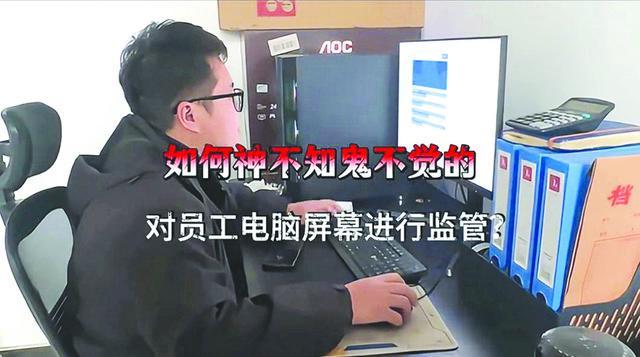
监控员工私聊,既涉嫌违法也令人不齿
第一财经· 2025-12-27 09:21
Core Viewpoint - The article discusses the ethical and legal implications of using covert monitoring software in workplaces, emphasizing that such practices violate employee privacy and trust, and can lead to significant negative consequences for organizations [2][3][4]. Group 1: Software Description and Concerns - A "non-perceptible monitoring software" priced at 300 yuan has gained attention, with reports of its adoption by well-known companies and universities [2]. - The software, marketed as a "terminal security management system," can secretly capture content from social media platforms and monitor screen activity without employee awareness [2]. - The software's methods resemble those of malware, and many mainstream antivirus programs fail to detect it [2]. Group 2: Legal and Ethical Implications - The use of such software infringes on citizens' rights to communication freedom and privacy, as protected by the constitution [3]. - Covertly accessing employees' personal social media content without consent violates the Personal Information Protection Law and the Civil Code, potentially leading to criminal liability for employers [3]. - Monitoring should be limited to work-related activities and must be communicated transparently to employees, adhering to principles of informed consent and minimal data collection [3]. Group 3: Impact on Workplace Dynamics - Covert monitoring undermines trust between employers and employees, creating a stressful work environment that can diminish employee morale and productivity [4][5]. - Negative emotions stemming from such surveillance can lead to resistance and decreased operational efficiency within the organization [5]. - Alternative, more humane management strategies are suggested, such as fostering a respectful workplace culture and implementing clear goal management systems [5]. Group 4: Long-term Consequences - Organizations that prioritize short-term monitoring solutions over employee respect risk long-term damage, potentially losing valuable talent and societal support [5][6]. - Respecting employee dignity and privacy is crucial for building trust and fostering a collaborative work environment, which is essential for organizational success [6].

壹快评|监控员工私聊,既涉嫌违法也令人不齿
Di Yi Cai Jing· 2025-12-27 05:22
Core Viewpoint - The emergence of a low-cost "invisible monitoring software" priced at 300 yuan has sparked significant debate regarding its ethical implications and legality in monitoring employees' personal communications without consent [1][2]. Group 1: Ethical and Legal Concerns - The use of covert software to access employees' personal social media communications infringes on constitutional rights to communication freedom and privacy, potentially violating laws such as the Personal Information Protection Law and the Civil Code [2]. - Employers are allowed to monitor work-related activities to enhance efficiency and protect business secrets, but such monitoring must not encroach on personal spaces and should be communicated transparently to employees [2][3]. Group 2: Impact on Employee Relations - Covert monitoring can severely damage the trust relationship between employers and employees, leading to increased psychological stress and feelings of betrayal among staff, which can negatively affect productivity and team cohesion [3]. - Positive and humane management strategies, such as fostering a respectful workplace culture and providing clear goals and support, are more effective in preventing misconduct than invasive monitoring practices [3][4]. Group 3: Long-term Consequences - While the low-cost monitoring solution may seem efficient, it represents a short-sighted approach that could ultimately lead to greater losses for employers, including damage to employee morale and potential reputational harm [4]. - Respecting employees' dignity and privacy is crucial for building trust and support within the organization, and unethical monitoring practices can undermine long-term success and sustainability [4].
老板花300元就能偷看员工聊天记录?一款办公监控软件引争议,开发方:已停售监视功能
Xin Lang Cai Jing· 2025-12-26 18:14
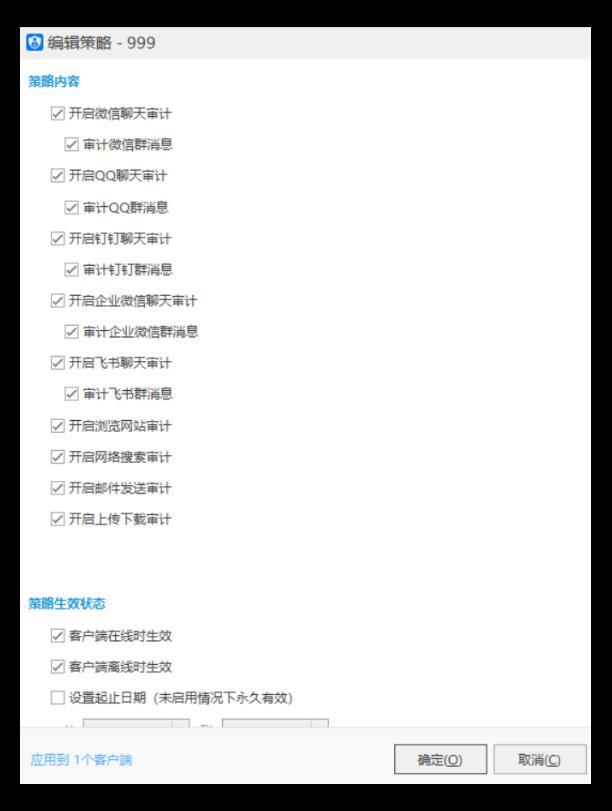
Group 1 - A monitoring software named "Guxin Security Management Platform" is being sold for under 300 yuan, allowing companies to monitor employees' social media and chat records without their knowledge [1][2] - The software is developed by Shandong Guxin Software Co., Ltd., with Hebei Angu Cloud Company as one of the agents [1] - Following the news report, the Angu Cloud Company's website has been temporarily closed for maintenance, indicating potential reputational damage [1] Group 2 - The software's functionality includes real-time monitoring of employees' screens and hard drives, raising concerns about privacy rights and personal information [1][2] - A representative from Shandong Guxin Software stated that the company will discontinue the chat monitoring feature due to significant public backlash [2] - Local market regulatory authorities and police are investigating the matter, with the market regulation department expected to take initial action [2]
网络聊天像“裸奔” 谁在买卖职场“监控神器”?
Xin Lang Cai Jing· 2025-12-25 16:20
Core Viewpoint - The article highlights the ethical and legal concerns surrounding a monitoring software that is being sold on social media platforms, which allows companies to surveil employees without their knowledge, potentially infringing on their rights and privacy [1][2]. Group 1: Software Functionality and Market Presence - A monitoring software named "Guoxin Security Control Platform" is being sold for under 300 yuan, claiming to have powerful surveillance capabilities that are undetectable by employees [1]. - The software can capture all communications, including text, images, videos, and files sent via platforms like WeChat, without the employee's awareness [1]. Group 2: Ethical and Legal Implications - The software's design promotes a model where employees are treated as default surveillance subjects, which raises significant ethical concerns regarding employee rights [2]. - The potential misuse of this software by malicious actors could lead to serious violations, such as data theft and privacy breaches, highlighting the urgent need for strict sales and usage regulations [2]. Group 3: Long-term Consequences - Continuous and covert monitoring can result in severe repercussions, including personal information leaks, erosion of trust, and accumulation of compliance risks, ultimately leading to a deterioration of corporate governance [3]. - Companies that engage in such practices risk losing their institutional boundaries and respect, which could hinder their growth and sustainability [3].