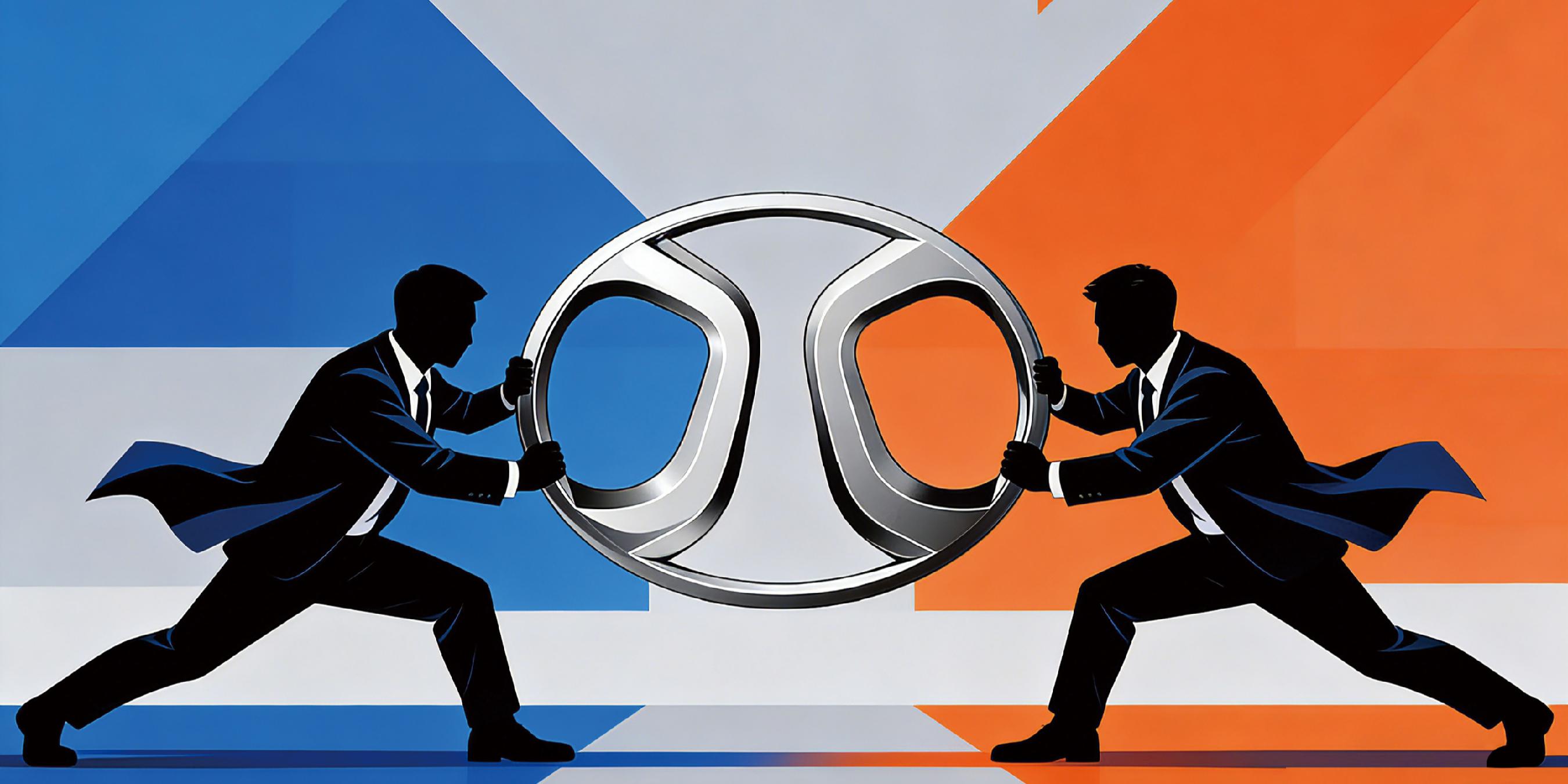
品牌产权切割

Search documents
真假“北汽”之争
Jing Ji Guan Cha Wang· 2025-12-06 04:41
Core Viewpoint - The dispute between BAIC Group and Beijing Automotive Manufacturing (referred to as "BAIC Manufacturing") over the use of the "BAIC" brand has resulted in a first-instance victory for BAIC Group, although BAIC Manufacturing has appealed the decision. This case highlights the complexities of brand heritage ownership and the challenges that arise after corporate restructuring, indicating that the division of tangible assets does not resolve the issues surrounding intangible brand legacies [2][9]. Group 1: Background of the Dispute - BAIC Manufacturing was established in 1951 and is recognized as one of the early pioneers of China's automotive industry [3]. - The "BAIC" brand gained national recognition with the successful production of the BJ212 off-road vehicle in 1965, which became a symbol of Beijing's state-owned automotive industry [4]. - In 2015, BAIC Group transferred 51% of BAIC Manufacturing's shares to a private enterprise, leading to BAIC Manufacturing becoming a private company [5]. Group 2: Nature of the Dispute - The conflict arose when BAIC Manufacturing began using the "Beijing" brand in its marketing and vehicle models starting in 2021, which prompted BAIC Group to file a lawsuit [2][6]. - BAIC Group claims that BAIC Manufacturing's use of the "Beijing" trademark constitutes trademark infringement and has filed multiple lawsuits since 2021 [7]. - The court recognized BAIC Group's long-standing use of the "BAIC" brand and its associated trademarks, establishing its significant market presence and brand recognition [8]. Group 3: Future Implications - BAIC Manufacturing has announced its intention to appeal the first-instance ruling, indicating that the legal battle is far from over [9]. - Experts suggest that BAIC Group should learn from this case to ensure clearer delineation and protection of intangible assets during future asset restructuring [9]. - Similar disputes over brand usage rights are not uncommon in the industry, as evidenced by past cases involving other companies [10].