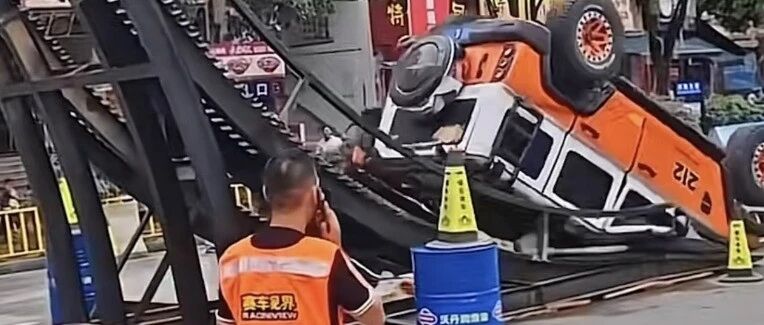
212越野车

Search documents
东安动力与北汽制造战略合作 “新动力联合创新实验室”正式成立
Zheng Quan Shi Bao Wang· 2025-12-15 12:24
Core Viewpoint - The strategic cooperation between Dong'an Power and Beijing Automotive Manufacturing Factory marks a significant milestone in the high-quality development of China's off-road vehicle market, transitioning from project adaptation to strategic collaboration [1][2][3] Group 1: Strategic Cooperation - Dong'an Power and Beijing Automotive Manufacturing have established the "New Power Joint Innovation Laboratory" to enhance their collaboration [1] - The partnership has evolved from initial product adaptation to a deeper strategic alignment, with both parties committing to jointly define products, share technological achievements, and expand market space [2][3] Group 2: Product Development and Market Impact - Over the past three years, both companies have collaborated on more than ten projects, including classic models like the 212 off-road vehicle and other key models, achieving cumulative sales of over 50,000 units [2] - The partnership aims to develop next-generation power systems for off-road vehicles, potentially leading to technological breakthroughs in the Chinese off-road market [2] Group 3: Future Outlook - Dong'an Power has secured five new market agreements with undisclosed clients, projecting a total sales volume of 1 million units over a 5 to 10-year lifecycle, with 800,000 units expected from new energy projects [3] - The company aims to achieve a sales target of 1 million units by 2026 and revenue of 10 billion yuan by 2027, leveraging its platform-based production capabilities [3]

东安动力联手北汽制造 研发下一代越野车动力系统
Feng Huang Wang· 2025-12-15 08:24
Core Viewpoint - Beijing Automotive Manufacturing Plant Co., Ltd. and Harbin Dong'an Automotive Power Co., Ltd. have signed a strategic cooperation agreement to establish a "New Power Joint Innovation Laboratory" focusing on traditional fuel and new energy power systems [1] Group 1: Strategic Partnership - The partnership aims to collaborate on over ten projects related to traditional fuel and new energy power systems [1] - The cooperation covers various vehicle models, including the 212 off-road vehicle, flagship MPV, and calorie pickup truck, with total sales exceeding 50,000 units [1] Group 2: Research and Development Focus - The joint laboratory will concentrate on enhancing off-road performance and implementing new energy technologies [1] - The collaboration will involve joint research and development of the next-generation power systems for off-road vehicles [1]
“铝王”魏桥集团的跨界造车局
Jing Ji Guan Cha Bao· 2025-12-13 04:44
Core Viewpoint - Weiqiao's entry into the automotive industry is driven by stagnation and profitability pressures in its traditional textile and aluminum sectors, prompting a strategic shift towards new growth opportunities in the automotive market [3][4][5]. Group 1: Company Background and Transition - Weiqiao, originally a textile giant, has expanded into aluminum production and is now venturing into the automotive sector, marking a significant cross-industry transformation [2][5]. - The company has a history of strategic expansion, starting from its foundation in 1951 as a cotton processing plant to becoming the world's largest cotton textile enterprise by 2003 and the largest aluminum producer by 2014 [2]. Group 2: Challenges in Traditional Industries - Both the textile and aluminum sectors are facing growth bottlenecks, with the textile division experiencing losses since 2022 due to adverse international trade conditions and supply chain disruptions [3][4]. - Regulatory pressures in the aluminum industry, including a crackdown on illegal production capacities, have further strained Weiqiao's profitability [3]. Group 3: Strategic Shift to Automotive - Weiqiao plans to invest at least 60 billion yuan (approximately 8.4 billion USD) over the next three years in the automotive sector, focusing on new energy vehicles and integrating its aluminum production capabilities into vehicle manufacturing [5][6]. - The company aims to leverage its aluminum expertise to enhance vehicle lightweighting, which is crucial for improving electric vehicle efficiency and range [8]. Group 4: Investment and Partnerships - Weiqiao's automotive strategy includes acquiring stakes in traditional car manufacturers and investing in new energy vehicle startups, such as a 10 billion USD investment in Shanghai Luoke Intelligent Technology [6][7]. - The establishment of the Shandong Weiqiao New Energy Vehicle Technology Group will oversee Weiqiao's automotive operations, consolidating its investments in various vehicle manufacturing and design companies [7]. Group 5: Product Development and Market Positioning - Weiqiao is developing a diverse range of vehicles, including fuel, hybrid, and electric models, with a focus on creating a brand cluster that spans multiple market segments [9]. - The company is positioning its new MPV brand, Ruisheng, to compete in the crowded market, aiming to establish itself as a leader by 2030 [9][10]. Group 6: Brand and Market Challenges - Weiqiao faces brand identity issues with its Beijing Automotive Manufacturing Plant, which is embroiled in a trademark dispute that could undermine its market position [10]. - The new Ruisheng brand must build recognition and credibility in a competitive MPV market, where it currently lacks visibility [10]. Group 7: Future Considerations - The transition from a B2B manufacturer to a consumer-facing brand poses significant challenges for Weiqiao, particularly in understanding and responding to consumer needs in the automotive sector [11].

真假“北汽”之争:一场迟到了十年的品牌切割
经济观察报· 2025-12-06 07:34
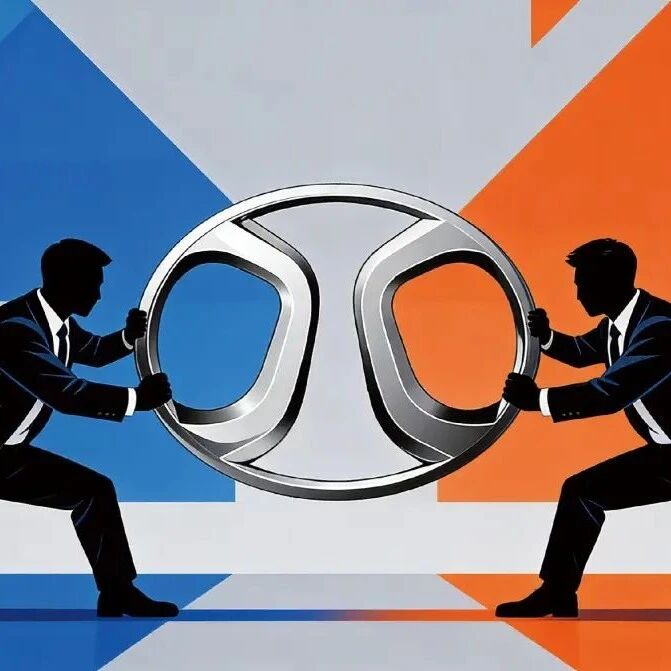
Core Viewpoint - The dispute between BAIC Group and Beijing Automotive Manufacturing Factory over the "BAIC" brand highlights that the division of a company is not merely resolved through a share transfer agreement, as the definition of intangible brand heritage can lead to more complex and enduring challenges [2][4]. Group 1: Background of the Dispute - BAIC Manufacturing was established in 1951 and became a significant player in China's automotive industry, with the "BAIC" brand gaining national recognition through the production of the BJ212 off-road vehicle in 1965 [4]. - In 2015, BAIC Group transferred 51% of BAIC Manufacturing's shares to a private entity, leading to BAIC Manufacturing becoming a private company [5]. - Following the share transfer, BAIC Manufacturing began to emphasize its historical connection to the "BAIC" brand, which led to tensions with BAIC Group [7]. Group 2: Legal Proceedings - Since 2021, BAIC Group has filed multiple lawsuits against BAIC Manufacturing for trademark infringement, claiming that BAIC Manufacturing has used the "Beijing" trademark without authorization [8]. - The court ruled in favor of BAIC Group, recognizing the brand's established market presence and the potential for consumer confusion [9]. - The lengthy duration of the legal proceedings is attributed to the extensive evidence required in trademark and unfair competition cases [9]. Group 3: Future Implications - BAIC Manufacturing has appealed the first-instance ruling, indicating that the legal battle is far from over [11]. - Experts suggest that companies should prioritize the clear delineation and protection of intangible assets during asset restructuring or divestiture to avoid similar disputes in the future [11][12]. - The case serves as a reminder for companies to include detailed contractual terms regarding the use of brand names and trademarks in share transfer agreements to prevent future conflicts [12].
真假“北汽”之争
Jing Ji Guan Cha Wang· 2025-12-06 04:41
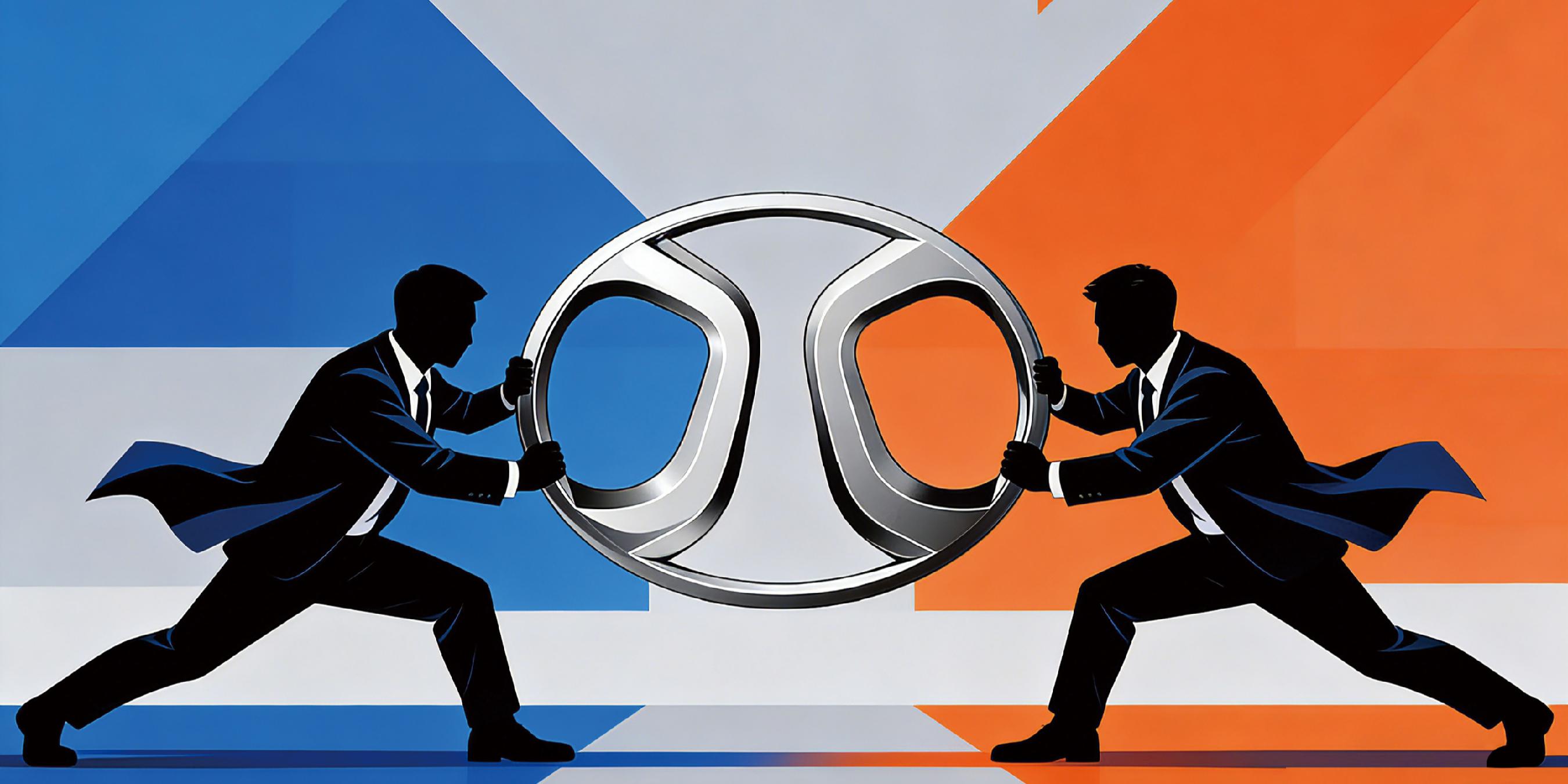
Core Viewpoint - The dispute between BAIC Group and Beijing Automotive Manufacturing (referred to as "BAIC Manufacturing") over the use of the "BAIC" brand has resulted in a first-instance victory for BAIC Group, although BAIC Manufacturing has appealed the decision. This case highlights the complexities of brand heritage ownership and the challenges that arise after corporate restructuring, indicating that the division of tangible assets does not resolve the issues surrounding intangible brand legacies [2][9]. Group 1: Background of the Dispute - BAIC Manufacturing was established in 1951 and is recognized as one of the early pioneers of China's automotive industry [3]. - The "BAIC" brand gained national recognition with the successful production of the BJ212 off-road vehicle in 1965, which became a symbol of Beijing's state-owned automotive industry [4]. - In 2015, BAIC Group transferred 51% of BAIC Manufacturing's shares to a private enterprise, leading to BAIC Manufacturing becoming a private company [5]. Group 2: Nature of the Dispute - The conflict arose when BAIC Manufacturing began using the "Beijing" brand in its marketing and vehicle models starting in 2021, which prompted BAIC Group to file a lawsuit [2][6]. - BAIC Group claims that BAIC Manufacturing's use of the "Beijing" trademark constitutes trademark infringement and has filed multiple lawsuits since 2021 [7]. - The court recognized BAIC Group's long-standing use of the "BAIC" brand and its associated trademarks, establishing its significant market presence and brand recognition [8]. Group 3: Future Implications - BAIC Manufacturing has announced its intention to appeal the first-instance ruling, indicating that the legal battle is far from over [9]. - Experts suggest that BAIC Group should learn from this case to ensure clearer delineation and protection of intangible assets during future asset restructuring [9]. - Similar disputes over brand usage rights are not uncommon in the industry, as evidenced by past cases involving other companies [10].
北汽集团维权一审告捷 与北汽制造厂纠纷再引关注
Xi Niu Cai Jing· 2025-11-26 05:35
Core Viewpoint - Beijing Automotive Group has won a first-instance judgment in a case regarding unfair competition, where the court ruled that another automotive company used the "Beijing Automotive" name, harming the competitive interests of Beijing Automotive Group [2] Group 1: Legal Outcome - The court ordered the involved company to cease using any name containing "Beijing Automotive," to publicly announce the cessation to mitigate negative impacts, and to compensate Beijing Automotive Group for economic losses and reasonable legal expenses [2] - The judgment emphasized that Beijing Automotive Group has widely used the name "Beijing Automotive" in various commercial activities and holds multiple related trademarks, establishing significant public recognition and influence over decades [2] Group 2: Background of the Dispute - Although the involved company is not explicitly named, indications suggest it is Beijing Automotive Manufacturing Plant, which is an independent entity despite sharing the "Beijing Automotive" name [3] - Beijing Automotive Manufacturing Plant, established in 1951, has undergone several restructurings and was privatized in 2015, yet continues to use names that could mislead consumers and lead to disputes with Beijing Automotive Group [3] Group 3: Ongoing Issues - In 2021, Beijing Automotive Group filed a lawsuit against the manufacturing plant for trademark infringement due to the use of the "Beijing" mark on vehicles, with the case still unresolved [4] - The dispute escalated in 2025 when a vehicle marked "212" was involved in an accident during a racing event, leading to public confusion regarding its association with Beijing Automotive Group, prompting the group to clarify that the vehicle was unrelated [4] - While Beijing Automotive Group has won the initial ruling, there remains a possibility of appeal from Beijing Automotive Manufacturing Plant, and the situation will continue to be monitored for further developments [4]

广州车展前夕 212越野车调整品牌中心
Zhong Guo Jing Ji Wang· 2025-11-17 12:22
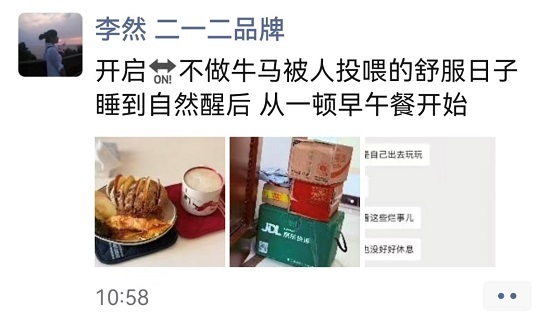
Core Insights - The 212 off-road vehicle brand is undergoing significant management changes following a controversial incident involving a vehicle accident, which has raised safety concerns and led to the dismissal of the brand center director, Li Ran [1][9]. Group 1: Management Changes - Li Ran, the brand center director of 212, was dismissed due to inadequate team management, high personnel turnover, and financial mismanagement, including unclear payment settlements and violations of financial discipline [1]. - The dismissal comes amid a challenging period for the brand, as it attempts to establish itself as an independent entity following its transition from a single model to a full-fledged brand [4][9]. Group 2: Brand Development - The 212 brand, which has historical roots dating back over 60 years to the Beijing Jeep 212, is currently selling the 212 T01 model priced between 139,900 and 188,800 yuan, with over 13,000 units sold in the first ten months of the year [2]. - The brand is set to hold a major launch event on June 6, 2024, marking its independent brand status, although it faces challenges related to its association with the Beijing Automotive Manufacturing Plant, which has no ownership ties to the BAIC Group [2][9]. Group 3: Marketing and Future Strategy - Li Ran played a crucial role in the brand's initial marketing and image development, which included various promotional activities and collaborations, such as the G212 high-speed rail partnership and off-road driving events [7]. - The brand aims to deepen its connection with Chinese off-road culture while navigating the challenges ahead, emphasizing the need for both heritage and innovation in its future development [7].
越野经典“212”陷质量风波 北汽集团发声明划清界限
Zhong Guo Zheng Quan Bao· 2025-10-09 21:49
Core Viewpoint - The incident involving the 212 off-road vehicle during a climbing event has sparked discussions about vehicle safety and quality, leading Beijing Automotive Group to clarify its non-involvement with the model in question [1][2]. Group 1: Incident Details - On October 1, a 212 off-road vehicle overturned during a climbing event, causing significant deformation of the A-pillar, although no injuries were reported [1]. - The vehicle involved was confirmed to be produced by Beijing Automotive Manufacturing Co., Ltd., which is not affiliated with Beijing Automotive Group [1][2]. - Experts noted that the accident highlighted the need for improved safety standards in professional events, with factors such as improper weight distribution and throttle control contributing to the incident [1]. Group 2: Brand and Ownership Issues - Beijing Automotive Group emphasized that the vehicle should not be referred to as "Beijing 212" or "Beijing Off-road 212," as these terms misrepresent the facts [2]. - Historical ties between Beijing Automotive Group and Beijing Automotive Manufacturing have led to brand confusion, as the latter was a subsidiary for 42 years before becoming a private enterprise [4][5]. - The ownership of the "212" trademark has been contentious, with Beijing Automotive Manufacturing contesting trademarks applied for by Beijing Automotive Group [5]. Group 3: Market Context and Future Implications - The off-road vehicle market in China is experiencing growth, with expectations of sales reaching 350,000 to 400,000 units this year [5]. - Despite the market potential, the T01 model from Beijing Automotive Manufacturing has struggled with low sales and quality criticisms, indicating a gap in manufacturing expertise [5]. - Industry experts suggest that the resolution of the "212 incident" could lead to clearer brand distinctions and improved safety standards within the sector [6].
北汽集团发声明划清界限
Zhong Guo Zheng Quan Bao· 2025-10-09 20:53
Core Viewpoint - The incident involving the 212 off-road vehicle during a climbing event has sparked discussions about vehicle safety and quality, leading to North Auto Group clarifying its non-involvement with the vehicle in question [1][2][3] Group 1: Incident Details - On October 1, a 212 off-road vehicle overturned during a climbing event, resulting in significant deformation of the A-pillar, although no injuries were reported [2] - The vehicle involved was confirmed to be produced by Beijing Automotive Manufacturing Co., Ltd., which is not affiliated with North Auto Group [2][3] - Experts noted that the accident highlighted the need for improved safety standards in professional events, with factors such as improper weight distribution and throttle control contributing to the incident [2] Group 2: Brand and Ownership Clarification - North Auto Group emphasized that the 212 model is not associated with its Beijing Off-road brand, and media misrepresentation could harm its reputation [3] - The historical context of the 212 model's branding is complex, as Beijing Automotive Manufacturing was once a subsidiary of North Auto Group but has since become an independent entity [4] - Disputes over trademark rights have arisen, with North Auto Group previously taking legal action against Beijing Automotive Manufacturing regarding the use of the "North Auto" brand [4] Group 3: Market Context and Future Implications - The hard-core off-road vehicle market in China is expected to grow significantly, with projected sales reaching 350,000 to 400,000 units this year [5][6] - Despite the market potential, the T01 model from Beijing Automotive Manufacturing has struggled with low sales and quality criticisms, indicating a gap in manufacturing expertise [6] - Industry experts suggest that both companies need to clarify their brand identities and improve product quality to remain competitive in the evolving market [6]
“212”越野车爬坡翻车,网友炸锅:背后竟是“世界铝王”……?
创业邦· 2025-10-08 03:20
Core Viewpoint - The article discusses the recent controversy surrounding the 212 off-road vehicle, which was mistakenly associated with the BAIC Group, highlighting the need for clarity regarding brand ownership and safety concerns in the off-road vehicle market [4][5][8]. Group 1: Incident Overview - A video of a 212 off-road vehicle flipping during a climbing competition went viral, leading to public scrutiny over vehicle safety and quality [4]. - The incident occurred on October 1 during a climbing event in China, with many mistakenly attributing the vehicle to BAIC Group due to its prominent "212" branding [4][5]. Group 2: BAIC Group's Response - In response to the growing public outcry, BAIC Group issued a statement clarifying that the involved vehicle was produced by Beijing Automotive Manufacturing Factory, which is not affiliated with BAIC Group [5][9]. - The statement emphasized that the vehicle is part of a new model set to launch in 2024 and that BAIC Group retains no ownership or rights over it [5][9]. Group 3: Historical Context of the 212 Vehicle - The 212 vehicle, originally developed in 1966 for military purposes, has a storied history but is no longer connected to BAIC Group since the latter divested its stake in 2015 [8]. - Despite the legal separation, BAIC Group allowed the continued use of its trademarks by the manufacturing company, leading to brand confusion [8]. Group 4: Market Dynamics and Safety Concerns - The off-road vehicle market in China is experiencing rapid growth, with a projected market size exceeding 2 trillion yuan and a 70% year-on-year increase in sales, reaching 940,000 units in 2024 [14]. - However, the rise in popularity has been accompanied by safety risks, as highlighted by the recent incident and previous accidents, raising concerns about the safety of off-road activities [14]. Group 5: Background of the Manufacturing Company - The Beijing Automotive Manufacturing Factory is now owned by Shandong Weiqiao New Energy Technology Group, which has been diversifying into the automotive sector after facing challenges in its traditional textile and aluminum businesses [15][18]. - The company has made significant investments in the new energy vehicle sector and aims to establish a strong presence in the automotive market, but faces competition from established players [20][22]. Group 6: Sales Performance of the 212 Model - The newly launched 212 T01 model has seen disappointing sales, with only 8,207 units sold in the first half of 2025, significantly trailing behind competitors like the Tank 300, which sold 27,000 units [20][22]. - The model's performance in the broader SUV market is also underwhelming, ranking 136th in sales during the same period, indicating challenges in gaining market traction [20][22].