商业模式重构

Search documents
别被“稳赚”迷了眼!监管出手整治投顾行业,天相等三机构被罚
Xin Lang Cai Jing· 2026-01-19 02:37
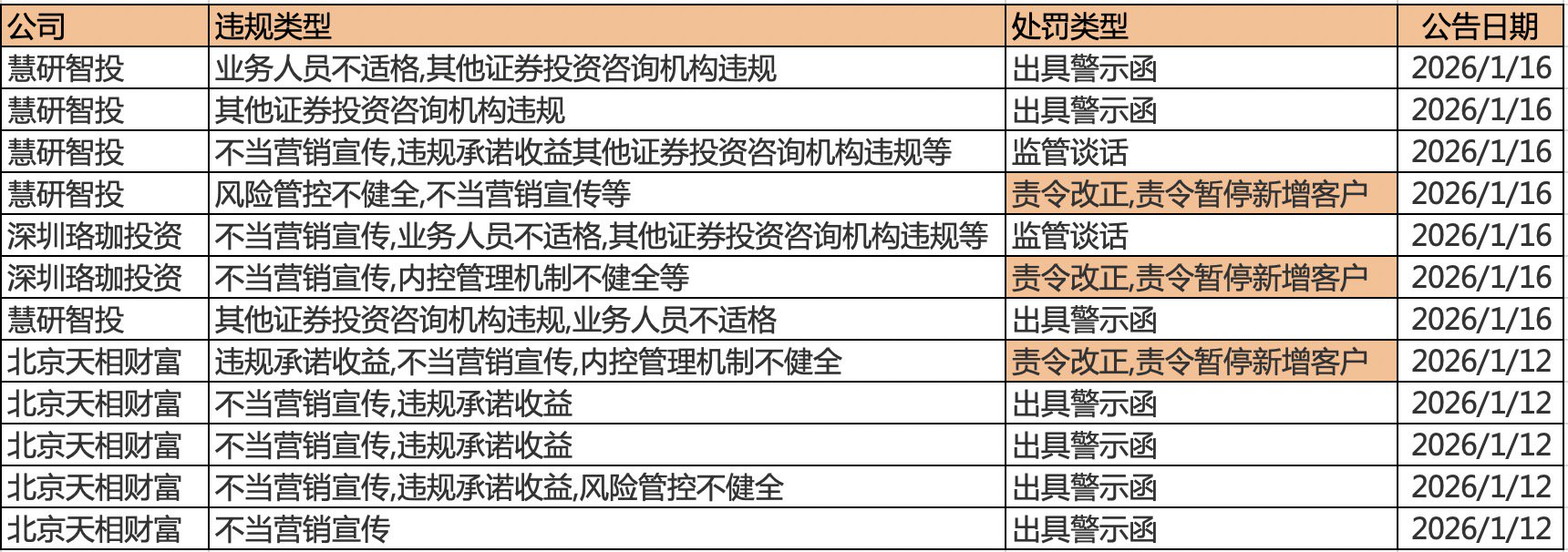
Core Viewpoint - The regulatory scrutiny on the securities investment consulting industry has intensified significantly at the beginning of 2026, with misleading promotional practices promising high returns being a primary focus of the crackdown [1][7]. Regulatory Actions - Since the start of the year, three licensed investment consulting firms, including Huiyan Zhitu Technology Co., Shenzhen Luojia Investment Consulting Co., and Beijing Tianxiang Wealth Management Co., have received penalties, totaling 12 regulatory fines in the industry [1][7]. - The Shanxi Securities Regulatory Bureau issued five regulatory documents to Huiyan Zhitu on January 16, ordering a three-month suspension of new client acquisitions, marking a typical case in the industry [1][7]. Violations Identified - Huiyan Zhitu has been found to have multiple violations, including misleading marketing content, implicit profit promises, and providing investment advice without adequate basis or risk disclosure [9][11]. - Other firms, such as Beijing Tianxiang Wealth and Shenzhen Luojia Investment, have also faced penalties for similar violations, including improper marketing and inadequate internal control mechanisms [4][11]. Industry Trends - The increase in penalties reflects a high-pressure regulatory environment for the investment consulting industry, with a notable rise in the use of "qualification penalties" [5][12]. - In 2025, over a hundred fines were issued in the investment consulting sector, with misleading marketing practices being the most common violation [12]. Compliance Challenges - The shift of investment consulting services to online platforms has introduced new compliance risks, as firms pursue short-term performance through social media and live streaming, often at the expense of regulatory adherence [5][12]. - Experts suggest that firms need to transition from a sales-driven model to one focused on fiduciary responsibility, emphasizing asset allocation and financial planning [13]. Recommendations for Improvement - Industry professionals advocate for a complete overhaul of business models, moving away from commission-based sales to a membership or advisory fee structure linked to client asset health [13]. - There is a call for improved internal controls and compliance mechanisms to address the fragmented nature of sales through new media channels [13].

太突然!知名餐饮企业宣布:微信商城停业!近年来已关闭多家线下门店
Mei Ri Jing Ji Xin Wen· 2025-10-10 16:29
Core Insights - The well-known restaurant brand Din Tai Fung announced the closure of its WeChat mall by November 30, 2025, due to brand operational adjustments [1][3] - Despite the closure of multiple locations in mainland China, Din Tai Fung plans to reopen a store in Beijing's Kerry Center in March 2026, indicating a potential strategy to regain market presence [2][5][10] Summary by Sections Brand Operations - Din Tai Fung, founded in Taiwan in 1958 and known for its xiaolongbao, has faced challenges in the mainland market, leading to the closure of several stores [2][4] - The brand currently operates 14 stores in major cities like Shanghai, Guangzhou, Shenzhen, and Hangzhou [2] WeChat Mall and Corporate Services - The WeChat mall will cease operations, and corporate group purchasing services will also be terminated, although physical store operations will remain unaffected [3] - The WeChat mall currently has limited product availability, with most items sold out [3] Financial Performance - In the U.S., Din Tai Fung's average store revenue is projected to be $27.42 million in 2024, with total revenue reaching $411.6 million (approximately 2.9 billion RMB), marking a nearly 20% annual growth [3] Market Challenges and Future Plans - The closures in cities like Beijing are attributed to poor operational performance, with a significant number of stores shutting down due to licensing issues [3][4] - Analysts suggest that the return to the Beijing market is driven by the remaining growth potential in the mainland market, despite fierce competition [10] - The brand's recognition as a leading xiaolongbao provider remains strong, providing a foundation for potential recovery [10]

点赞珍酒李渡(6979.HK)"主动进化"!8月股价涨超50%
Ge Long Hui· 2025-08-25 01:36
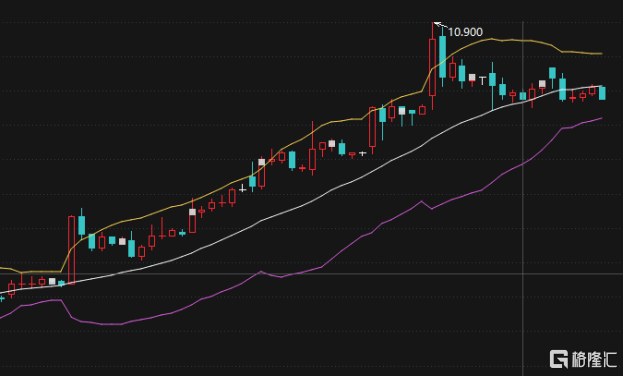
Core Viewpoint - The stock price of Zhenjiu Lidou (6979.HK) has seen a significant increase of over 50% since August 1, 2023, reaching 10.07 HKD per share, which has attracted widespread attention despite the overall downturn in the liquor industry [1][2]. Financial Performance - In the first half of 2023, Zhenjiu Lidou reported revenue of 2.497 billion CNY, a year-on-year decline of 39.6%, and an adjusted net profit of 613 million CNY, down 39.8% year-on-year [4]. - The company's gross margin reached 59%, an increase of 0.2 percentage points compared to the same period last year, marking three consecutive years of growth [4]. - The adjusted net profit margin remained stable at 24.6%, which is notable given the broader industry challenges [4]. Market Position and Strategy - Zhenjiu Lidou has demonstrated resilience in a challenging market, with its gross margin increasing while many competitors are experiencing significant declines or losses [4][5]. - The company has actively innovated its product offerings, launching the "Dazhen Zhenjiu" at a competitive price of 600 CNY, targeting new middle-class consumers and business professionals [10]. - The introduction of the high-end craft beer "Niushi" represents a strategic shift to complement its traditional offerings and create new growth avenues [10][12]. Business Model Innovation - Zhenjiu Lidou has restructured its business model through the "Wanshang Alliance Wealth Creation Forum," addressing high inventory levels and compressed profits for distributors [13]. - The company has engaged over 6,100 participants in 50 forums, signing contracts with more than 2,000 alliance partners, thereby transforming distributors into collaborative partners [13]. - This approach not only resolves short-term sales issues but also builds a robust channel network, enhancing investor confidence in the company's future [13]. Conclusion - The stock price increase of Zhenjiu Lidou reflects the capital market's recognition of the company's proactive approach to innovation and change [15]. - The company's solid financial performance and strategic transformations position it favorably for long-term value investment, showcasing its ability to adapt and thrive in a competitive landscape [16].
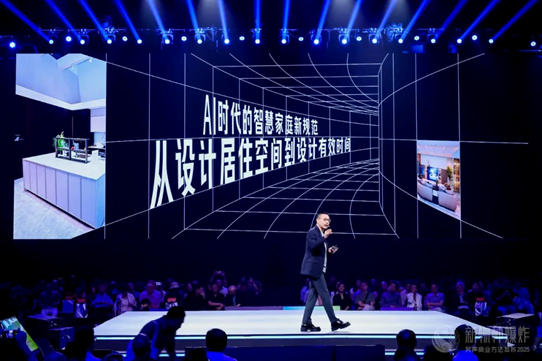
提供家居实体商业升级新范式,红星美凯龙“AI家生活的场景目的地”
Xin Lang Zheng Quan· 2025-08-19 07:20
Core Insights - The article highlights the transformation of the home furnishing industry through AI integration, with Red Star Macalline leading the charge by investing in digital design, smart stores, and precise marketing to meet evolving consumer demands [1][2][8]. Group 1: Business Model Transformation - Red Star Macalline is advancing its goal of integrating home appliances, home furnishings, and home decoration, resulting in a fundamental change in its business model [1][2][6]. - The company has evolved from a "multi-brand smart scene" in 2019 to a design-driven entity, ultimately becoming an "AI home life destination" [2][3]. Group 2: Mega-E Smart Electric Oasis - The Shanghai Global Home 1 store's electrical pavilion has expanded from 16,000 square meters to 33,000 square meters, increasing the number of brands from 57 to 103, addressing consumer needs for scale and variety [5]. - The "Mega-E Smart Electric Oasis" features personalized exhibition halls for different consumer segments and offers a one-stop service that includes design, installation, and recycling, creating a complete service loop [5][6]. Group 3: Technological Innovations - Red Star Macalline has introduced various digital tools, including AR/VR technology for virtual home matching and an intelligent shopping guide system that analyzes consumer preferences for personalized recommendations [8][9]. - The M+ Designer System connects thousands of designers, enhancing merchant sales and conversion rates by providing a comprehensive service from concept to execution [9][11]. Group 4: Future Outlook - The integration of AI is seen as a comprehensive reconstruction of the business model, where consumer behavior data informs brand development, and successful design solutions are transformed into AI templates for brand empowerment [11]. - Analysts predict that Red Star Macalline will continue to invest in AI, driving technological innovation and product upgrades to create a more intelligent home living experience [11].
盒马辟谣闭店传闻:仅2%门店业务调整 今年还将开100家新店 门店总数将超500家
Xin Lang Ke Ji· 2025-08-07 06:00
Group 1 - The core viewpoint of the article is that Hema is committed to rapid expansion, aiming to open 100 new stores within the fiscal year, which will bring the total number of Hema stores to over 500 [1] - Hema has refuted rumors regarding store closures, clarifying that it closed 10 experimental X member stores, which account for less than 2% of its total store count [1] - Hema has redefined the domestic retail landscape over the past decade with its unique business model, achieving its first annual profit as reported in Alibaba Group's fiscal year 2025 report [1] Group 2 - Hema Fresh operates over 420 stores, and in July, it ranked among the top three in the "2024 China Supermarket Top 100" list with an annual sales revenue of 75 billion yuan [1]
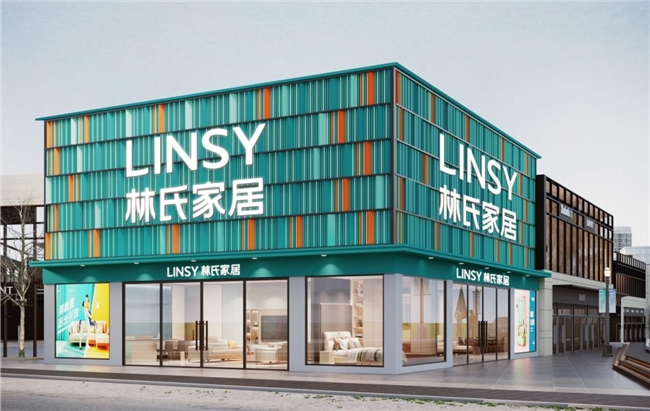
林氏木业:从流量捕手到情感陪伴者,解码家居行业逆势增长的底层逻辑
Zhong Guo Chan Ye Jing Ji Xin Xi Wang· 2025-06-05 05:21
Core Insights - In 2024, Lin's Wood Industry has achieved a remarkable increase in sales and store numbers despite the cyclical challenges faced by the home furnishing industry, indicating a successful transformation of its business model [1] - The company has effectively addressed traditional industry challenges such as online price competition and consumer indecision through its "Five Consistency System," which simplifies consumer choices and reduces decision-making time from months to a week [3] - Lin's Wood Industry targets the 25 to 35 age demographic, focusing on emotional value and identity recognition rather than just functional satisfaction, exemplified by products like the "Bag Chair" and "Dynamic Island Sofa" [5] Business Model Innovation - The company has pioneered entry into Douyin's local life services in 2024, utilizing group purchase vouchers to create a seamless online-to-offline transaction experience [3] - Lin's Wood Industry's approach mirrors Xiaomi's ecosystem strategy, emphasizing full-channel coverage and deep technological involvement while also connecting with the emotional core of Chinese consumers regarding their homes [5] - The next phase for Lin's Wood Industry may involve transforming "data assets" into "emotional assets," evolving from merely selling products to creating lifestyle experiences [5] Consumer Engagement - The company's marketing strategy includes leveraging celebrity endorsements, such as actor Guo Tao acting as a "star store manager" to drive traffic to physical stores [3] - Lin's Wood Industry emphasizes the importance of resonating with consumers, highlighting that the true power of a business model lies in converting cold commercial logic into warm user value [5]