
商务楼宇功能转换

Search documents
武汉宣布买商办类房产也能落户
第一财经· 2025-09-30 09:47
Core Viewpoint - The article discusses the recent policy measures introduced by Wuhan to promote the stable and healthy development of the real estate market, referred to as "Han Eight Measures," which includes eight specific initiatives aimed at boosting real estate consumption [3]. Group 1: Policy Measures - The "Han Eight Measures" include increasing housing provident fund loan limits and enhancing support for purchasing commercial and office properties [3]. - Individuals purchasing new commercial, office, or mixed-use properties in Wuhan can apply for household registration based on property ownership, allowing eligible family members to relocate [3]. - The new policy supports the conversion of existing commercial buildings' functions, provided that the original planning and safety requirements are met, and the main structure remains unchanged [3][5]. Group 2: Market Impact - The new policy aims to accelerate the inventory turnover of new commercial properties through measures like tax rebates, while also facilitating the transformation and optimization of existing commercial buildings [4]. - By promoting the development of the building economy and optimizing the use of existing resources, the policy encourages a dual focus on both new and existing real estate [5]. - The approach taken by Wuhan mirrors similar policies previously implemented in Shanghai, which also supports the functional conversion of commercial buildings for a limited period [6].

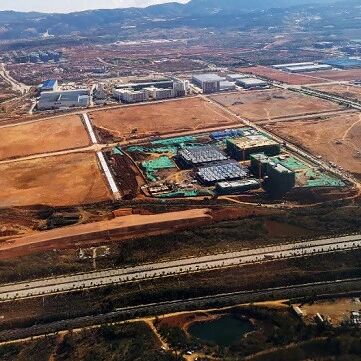
政策创新!这座大城宣布买商办类房产也能落户
Di Yi Cai Jing· 2025-09-30 09:21
Core Viewpoint - Wuhan has introduced new policies to support the commercial real estate market, aiming to boost consumption and facilitate the de-inventory of commercial properties [1][2]. Group 1: Policy Measures - The new policies, referred to as "Han Eight Measures," include eight specific initiatives to promote stable and healthy development in the real estate market [1]. - Key measures include increasing housing provident fund loan limits and allowing individuals purchasing new commercial properties to apply for household registration [1]. - The policies support the conversion of existing commercial buildings' functions, provided they meet safety requirements and maintain their original structure and property rights [1]. Group 2: Market Impact - The new policies aim to accelerate the de-inventory of new commercial properties through tax subsidies and support for the transformation of existing buildings into new business formats like long-term rentals and industrial parks [2]. - This approach is expected to enhance the efficiency of existing resources and promote a dual development model focusing on both new and existing real estate [2]. Group 3: Comparison with Other Cities - Wuhan's new policies are similar to those previously introduced in Shanghai, which also support the functional conversion of commercial buildings under certain conditions [3]. - Both cities have set a maximum period of 15 years for these conversions, emphasizing the need for regulatory oversight and decision-making by local governments [3].