
商超卖车

Search documents
果然财评|以“商超卖车”破局,比亚迪开进日本零售巨头卖场
Qi Lu Wan Bao· 2025-10-23 09:21
齐鲁晚报·齐鲁壹点 魏银科 永旺将海豚价格锁定在200万日元,相当于日本普通工薪阶层年收入的1/3,这一定价暗藏深意。日本轻型车主流价格带集中在150万-250万日元,比亚迪直 接切入大众消费核心区间;经补贴与优惠叠加后,其售价已与中国市场基本持平,尽显"先占市场再谋利润"的长期策略。 价格突破恰逢其时:2025年4~9月,日本纯电动乘用车的国内销量(含轻型汽车)同比增长3%,达2万8501辆,在包括混合动力车(HV)和汽油车在内的新 车销量中的占比仅为1%左右。 据日经中文网消息,10月21日,日本零售巨头永旺宣布与比亚迪达成战略合作,从2025年起在全国约30个商业设施销售比亚迪电动汽车。这绝非普通的商业 合作——永旺将作为"销售中介"负责订单和购车合同撮合,并推出积分返还、充电桩安装等优惠,使比亚迪海豚车型从299万日元降至约200万日元(约合人 民币9.4万元)。 这一价格甚至比日本最畅销的微型车本田N-BOX还低30万日元左右。更重要的是,永旺计划未来实现自主进口和销售,这将彻底改变传统汽车制造商垄断 流通的格局。 "商超卖车"冲击本土销售模式 日本汽车流通体系向来是外资品牌的"铜墙铁壁":除二手车 ...


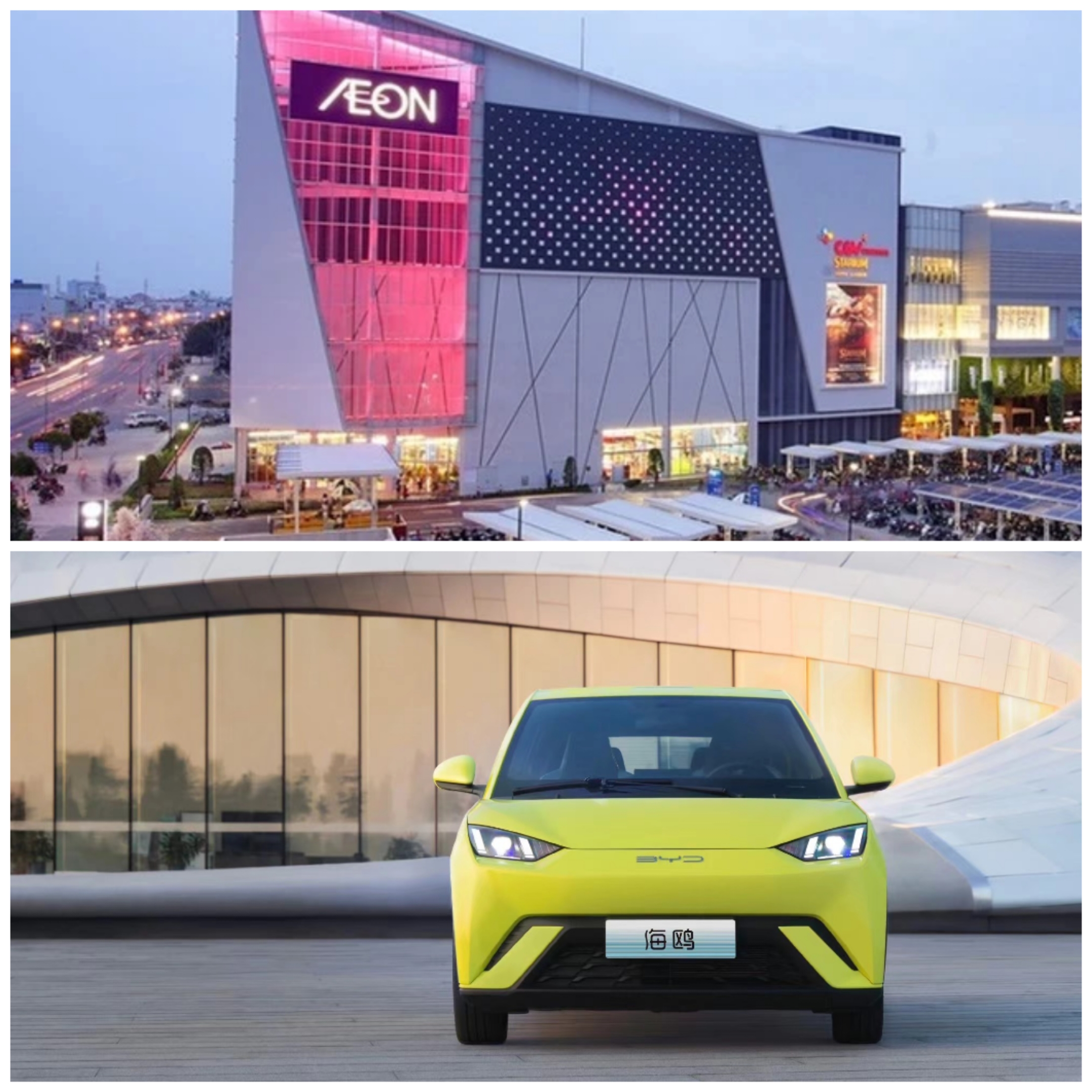
以“商超卖车”破局,比亚迪开进日本零售巨头卖场
Qi Lu Wan Bao Wang· 2025-10-23 09:05
Core Insights - Aeon, a major Japanese retail giant, has formed a strategic partnership with BYD to sell electric vehicles in approximately 30 commercial facilities across Japan starting in 2025, significantly reducing the price of BYD's Dolphin model to around 2 million yen (approximately 94,000 RMB) [1][3] - This collaboration aims to disrupt the traditional automotive sales model in Japan, which has been dominated by local manufacturers, by leveraging Aeon's extensive retail network and infrastructure [2][4] Group 1: Market Dynamics - The Japanese automotive market has historically been closed to foreign brands, with local manufacturers dominating new car sales and related services, leading to the exit of several international players [2][5] - Aeon's entry into the market represents a breakthrough, utilizing its 164 shopping centers to create a "supermarket car sales" model that reduces costs and enhances customer experience [2][4] Group 2: Pricing Strategy - BYD's pricing strategy positions the Dolphin model at 2 million yen, targeting the core consumer segment where most light vehicles are priced between 1.5 million and 2.5 million yen, aiming to make electric vehicles more accessible [3][4] - The pricing aligns with the average annual income of Japanese workers, making it a strategic move to penetrate the market effectively [3] Group 3: Challenges and Opportunities - Despite impressive growth in sales, BYD faces challenges in the Japanese market, including a relatively small market share compared to the overall automotive market size [4][5] - The company plans to increase its number of stores in Japan to 100 by 2025, but it currently has only 72, indicating a need for accelerated expansion [4] - Japanese consumers show a strong preference for domestic brands, with local manufacturers holding over 90% market share, posing a significant barrier for BYD [5] Group 4: Competitive Landscape - BYD's main competitor in the Japanese market is Tesla, which has a significant market share and has recently reduced prices on its Model 3, intensifying competition [6] - BYD's strategy may focus on long-term brand recognition and acceptance among Japanese consumers rather than immediate sales volume [6]