嘌呤代谢紊乱

Search documents
青少年也会得痛风?这些诱因要警惕
Yang Shi Xin Wen· 2025-12-08 03:37
Group 1 - The core issue of hyperuricemia is a metabolic disorder caused by purine metabolism, with an increasing prevalence of gout among younger populations, indicating a need for attention to abnormal uric acid levels in adolescents [1] - A case study highlights a 19-year-old diagnosed with gout due to a uric acid level of 589 μmol/L, attributed to poor lifestyle choices such as lack of exercise and excessive consumption of sugary drinks [2][3] - Medical professionals indicate that the rise in gout cases among young people is linked to unhealthy dietary habits, lack of physical activity, and other negative lifestyle factors [3][5] Group 2 - The normal fasting blood uric acid levels are defined as above 420 μmol/L for males and above 360 μmol/L for females, categorizing levels above these thresholds as hyperuricemia [7] - For children under 15 years, a blood uric acid level exceeding 357 μmol/L is typically classified as hyperuricemia [9]

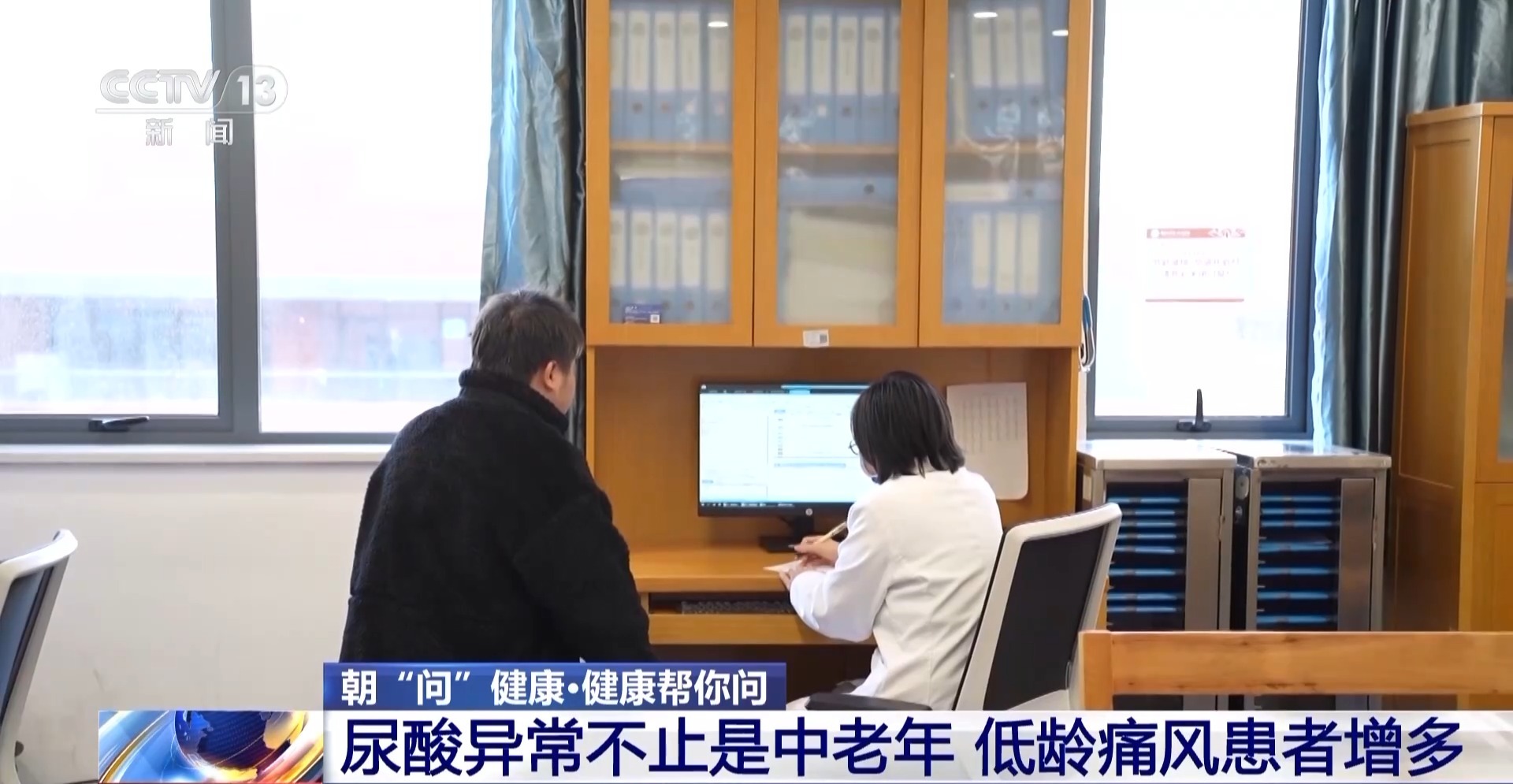
尿酸异常怎么办?高尿酸血症等于痛风吗?这份健康“新知”请收藏→
Yang Shi Wang· 2025-12-08 01:56
Core Insights - The prevalence of gout is increasing, with younger populations, including adolescents, showing abnormal uric acid levels, indicating a growing health concern [1][3] Group 1: Disease Overview - Hyperuricemia is a metabolic disorder caused by purine metabolism disruption, often preceding gout in patients [1] - A case study highlighted a 19-year-old diagnosed with gout due to a uric acid level of 589 μmol/L, attributed to poor lifestyle choices such as lack of exercise and high consumption of sugary drinks [1] Group 2: Contributing Factors - Key factors contributing to gout in adolescents include poor dietary habits, lack of physical activity, and unhealthy lifestyle choices [3] - Consumption of fructose-rich beverages, high-purine foods, and alcohol significantly increases uric acid production [5] Group 3: Health Risks - Hyperuricemia does not equate to gout but poses significant health risks, including the potential for joint inflammation and kidney issues [9] - Elevated uric acid can lead to deposits in organs, causing conditions like kidney stones, uric acid nephropathy, and increased cardiovascular risks due to arterial damage [9] Group 4: Management and Prevention - Management strategies for high uric acid levels include dietary modifications, lifestyle changes, and regular monitoring [11] - Recommendations include reducing intake of high-purine foods, increasing water consumption, maintaining a healthy weight, and ensuring adequate hydration to facilitate uric acid excretion [11]