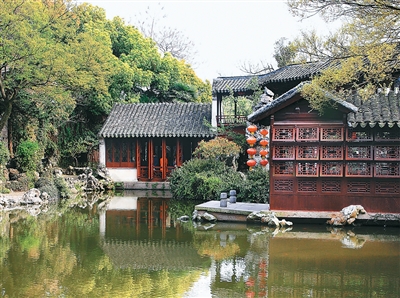
园林保护

Search documents
苏州园林保护不断迈上新台阶
Ren Min Ri Bao Hai Wai Ban· 2025-11-04 02:01
Core Insights - Suzhou's classical gardens are recognized as a significant part of China's cultural heritage, with a history dating back to the Spring and Autumn period, reaching their peak during the Ming and Qing dynasties [2] - The transition from "Hundred Gardens City" to "Garden City" reflects a shift in focus from the scale of garden protection to the sharing of these cultural assets with the public [3] - Suzhou has established a comprehensive garden protection system, including management regulations and a classification system, to ensure the preservation and accessibility of its gardens [2][3] Group 1: Historical Significance - Suzhou's gardens have been listed as World Heritage Sites, with nine classical gardens recognized for their design philosophy that promotes harmony between human habitation and nature [2] - The city has over 250 gardens recorded during the Ming and Qing periods, showcasing its historical importance in Chinese garden design [2] Group 2: Development Initiatives - The "Paradise Suzhou · Hundred Gardens City" initiative launched in 2015 aimed to systematically advance garden protection efforts, resulting in the completion of a three-year action plan for the restoration of 12 gardens [2] - As of recent years, 97 gardens have been opened to the public, achieving an 89.8% opening rate, allowing citizens to share in the preservation outcomes [2] Group 3: Future Directions - Suzhou plans to innovate protection models by integrating classical garden art with the "Park City" concept, promoting a cohesive urban and garden landscape [4] - The establishment of the World Cultural Heritage Classical Garden Protection and International Exchange Center aims to enhance international collaboration and elevate Suzhou's global profile [3][5] - Future efforts will focus on standardizing protection measures, enhancing management precision, and fostering international partnerships to revitalize Suzhou's gardens in modern society [5]