
苏州园林

Search documents
苏州古典园林艺术展泉州开展
Su Zhou Ri Bao· 2026-01-28 00:35
Core Viewpoint - The exhibition "A World Within Reach: Suzhou Classical Garden Art Exhibition" opened in Quanzhou, showcasing the beauty of Suzhou gardens across seasons and promoting cultural exchange between Suzhou and Quanzhou [1][2] Group 1: Exhibition Details - The exhibition features various forms such as promotional videos, aesthetic sharing, and photography displays to illustrate the seasonal beauty of Suzhou gardens [1] - The event highlights the philosophy of garden design in Suzhou, known for its intricate spatial layout and rich cultural connotations, which are significant to traditional Chinese culture [1] - The exhibition is located in Quanzhou, symbolizing the cultural dialogue and mutual prosperity between the two cities, both of which are recognized as World Heritage Cities [2] Group 2: Cultural Exchange and Activities - The opening ceremony included a performance of Suzhou Pingtan, enhancing the cultural experience for attendees [1] - A promotional video titled "Entering the Garden" was shown, connecting nine World Heritage gardens and explaining garden design techniques such as "changing scenery with movement" and "borrowing scenery" [1] - The exhibition aims to establish a platform for mutual appreciation of garden art and to promote deep cooperation between Suzhou and Quanzhou in cultural heritage protection and tourism integration [1]
苏州园林保护不断迈上新台阶
Ren Min Ri Bao Hai Wai Ban· 2025-11-04 02:01
Core Insights - Suzhou's classical gardens are recognized as a significant part of China's cultural heritage, with a history dating back to the Spring and Autumn period, reaching their peak during the Ming and Qing dynasties [2] - The transition from "Hundred Gardens City" to "Garden City" reflects a shift in focus from the scale of garden protection to the sharing of these cultural assets with the public [3] - Suzhou has established a comprehensive garden protection system, including management regulations and a classification system, to ensure the preservation and accessibility of its gardens [2][3] Group 1: Historical Significance - Suzhou's gardens have been listed as World Heritage Sites, with nine classical gardens recognized for their design philosophy that promotes harmony between human habitation and nature [2] - The city has over 250 gardens recorded during the Ming and Qing periods, showcasing its historical importance in Chinese garden design [2] Group 2: Development Initiatives - The "Paradise Suzhou · Hundred Gardens City" initiative launched in 2015 aimed to systematically advance garden protection efforts, resulting in the completion of a three-year action plan for the restoration of 12 gardens [2] - As of recent years, 97 gardens have been opened to the public, achieving an 89.8% opening rate, allowing citizens to share in the preservation outcomes [2] Group 3: Future Directions - Suzhou plans to innovate protection models by integrating classical garden art with the "Park City" concept, promoting a cohesive urban and garden landscape [4] - The establishment of the World Cultural Heritage Classical Garden Protection and International Exchange Center aims to enhance international collaboration and elevate Suzhou's global profile [3][5] - Future efforts will focus on standardizing protection measures, enhancing management precision, and fostering international partnerships to revitalize Suzhou's gardens in modern society [5]

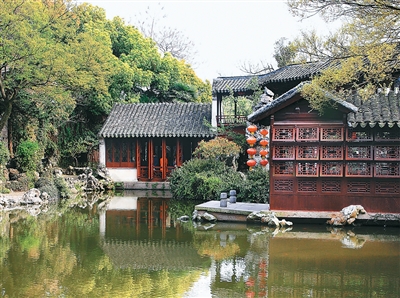
苏州园林代表团出访北美 以园为媒深化友城合作 推动文化国际传播
Xin Hua She· 2025-09-16 01:21
Core Viewpoint - The Suzhou delegation's visit to North America aims to strengthen cultural exchanges through garden art, enhancing Suzhou's garden culture on a global scale and fostering international cooperation [1][6]. Group 1: Cultural Exchange Activities - The delegation visited Victoria, Canada, to celebrate the 45th anniversary of the friendship between Suzhou and Victoria, marking the beginning of the North American exchange [1]. - A "Friendly Garden" agreement was signed between Suzhou's Lion Grove Garden and Butchart Gardens, focusing on long-term cooperation in ecological protection, garden skills transmission, tourism resource sharing, and cultural activities [1][3]. Group 2: Exhibitions and Events - In Vancouver, the "Suzhou Garden Aesthetics Exhibition" was held, celebrating the 28th anniversary of the sister garden relationship between Suzhou's Humble Administrator's Garden and the Yiyuan Garden [2]. - The exhibition showcased Suzhou's garden aesthetics through various displays, including seasonal garden images and a 1:1 replica of the "Jia Shi Pavilion" with AR interactive features [2]. Group 3: Celebrations in Portland - The delegation attended the 25th anniversary celebration of the Lan Su Chinese Garden in Portland, which is designed in the style of Suzhou gardens and has received multiple awards for its design [5]. - The celebration featured traditional performances, including Suzhou embroidery and Kunqu opera, providing an immersive cultural experience for attendees [5][7]. Group 4: Future Plans - Suzhou's Garden and Greening Management Bureau plans to continue leveraging garden culture to enhance cultural exchanges globally, contributing to the creative transformation and innovative development of traditional Chinese culture [6].

苏州将建古建工匠数据库
Su Zhou Ri Bao· 2025-08-08 00:29
Core Viewpoint - The establishment of the Suzhou Architectural Industry Association's Garden and Ancient Building Construction Branch aims to protect and inherit the "Xiangshan Gang" traditional building skills, promoting standardization and professionalism in Suzhou's garden and ancient building industry [1][2] Group 1: Establishment and Mission - The "Xiangshan Gang" traditional building skills are recognized as a national and human intangible cultural heritage, representing a historical treasure left by ancient craftsmen in Suzhou [1] - The newly formed branch includes nearly 30 leading enterprises, including Suzhou Garden Group, with the mission of "inheriting thousand-year skills and building a new era chapter" [1] Group 2: Talent Development and Standards - Suzhou has initiated the "Xiangshan Talent Training Program" and issued implementation opinions to protect and inherit the "Xiangshan Gang" traditional building skills, establishing a talent evaluation mechanism and a third-party assessment institution [1] - A three-year action plan for the protection and inheritance of the "Xiangshan Gang" traditional building skills has been formulated to provide institutional support for talent cultivation [1] Group 3: Future Plans and Innovations - The branch will first compile the "Xiangshan Gang Ancient Building Construction and Acceptance Standards," addressing the gap in industry technical standards [2] - Future focus areas include ancient building restoration and cultural tourism integration, utilizing a resource integration and collaborative model to innovate while preserving heritage [2]
文化中国行丨苏州园林:“咫尺乾坤”邂逅千年文脉
Yang Shi Xin Wen· 2025-06-24 03:16
Core Perspective - Suzhou Gardens represent a quintessential example of Chinese classical garden design, showcasing the harmonious coexistence of humans and nature, and reflecting the pursuit of a beautiful life throughout history [1][5]. Group 1: Historical Significance - Suzhou Gardens, with over 80 well-preserved classical gardens, are a concentrated embodiment of poetic Jiangnan culture, with nine gardens listed as UNESCO World Heritage Sites [1][3]. - The prosperity of Suzhou Gardens is attributed to the region's economic wealth and cultural flourishing, particularly after the Song Dynasty when the economic center of China shifted south [1][5]. Group 2: Design Philosophy - The design philosophy of Suzhou Gardens emphasizes creating a miniature landscape that captures the essence of nature within a limited space, exemplified by the small yet exquisite Wangshi Garden [3][5]. - Techniques such as "borrowing scenery" and "changing views with movement" are integral to the garden design, allowing for a seamless integration of natural elements and architectural features [5][7]. Group 3: Cultural Impact and Modern Relevance - Suzhou Gardens reflect a philosophical and aesthetic perspective of coexistence between humans and nature, rooted in Eastern philosophy and aesthetics [7]. - Modern initiatives, including performances that blend traditional arts with garden settings and the application of digital technology, enhance the public's appreciation and engagement with Suzhou Gardens [7][8]. - The concept of "garden relocation" is being implemented, leading to the creation of pocket parks that draw inspiration from classical garden design, promoting a vision of accessible green spaces for the community [8].
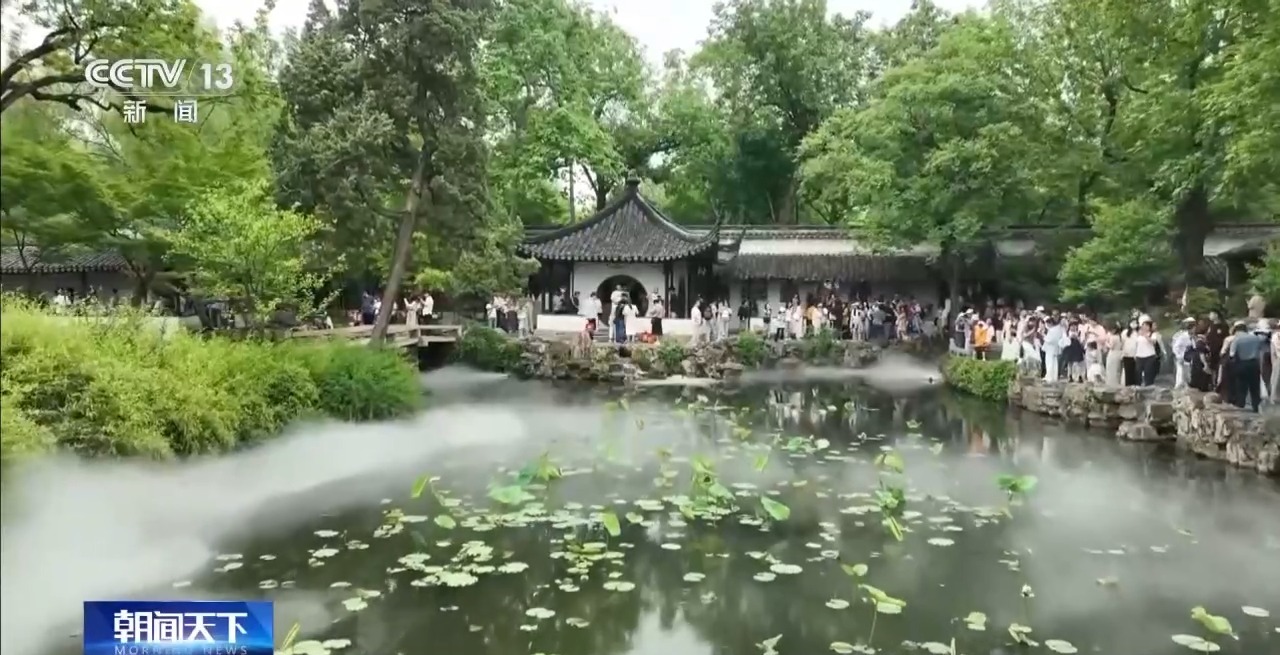
苏州园林保护利用案例亮相威尼斯国际建筑双年展
Su Zhou Ri Bao· 2025-05-12 01:08
Core Points - The 19th Venice International Architecture Biennale opened on May 9, showcasing the Suzhou Garden preservation case [1] - Suzhou Gardens are a significant cultural symbol for the city, reflecting its heritage and architectural aesthetics [2] Group 1: Exhibition Details - The theme of Suzhou's exhibition is "Suzhou Garden Archives - A Vivid Record of Heritage Garden Protection and Utilization" [1] - The exhibition features four chapters: "Containers of Memory," "Renewed Vitality," "Echoes of the World," and "Seeds of the Future," highlighting the role of archives in connecting heritage gardens with the world [1] - The exhibition includes models and physical artifacts, such as the Canglangting Maple Arch model and garden tiles, showcasing the unique architectural aesthetics of Suzhou Gardens [1] Group 2: Cultural Impact - The Suzhou Garden Management Bureau aims to expand the international presence of Suzhou's garden culture, adhering to the principle of "facing the public and reaching out to the world" [2] - The participation in the Biennale enhances Suzhou's international influence and provides a replicable and promotable Chinese solution for heritage protection and utilization [2] - The European curators praised the Suzhou Garden case for ensuring that the city's garden heritage remains a living tradition rather than a static relic [1]