国产仿制药

Search documents
听说中年男人的“救急药”,卖不动了
投中网· 2026-04-01 03:57
Core Viewpoint - The article discusses the decline of Baiyunshan's product "Jinge," a domestic erectile dysfunction drug, which has faced significant sales drops due to increased competition and failure to innovate [4][12][26]. Group 1: Product Performance - Jinge was initially a major success, with sales skyrocketing from 2.34 billion yuan in 2015 to 12.9 billion yuan at its peak, achieving a market share of 55% by 2019 [10][11]. - However, sales began to decline in 2024, dropping to 87.85 million units, a 13% decrease from the previous year, with revenue falling to 10.34 billion yuan, a nearly 20% drop [12][13]. Group 2: Market Dynamics - The erectile dysfunction market in China is growing, with over 40% of men over 40 experiencing erectile dysfunction, indicating that the market potential remains [17][18]. - The decline in Jinge's sales is attributed to two main pressures: intense price competition and the product's inability to meet evolving consumer demands [19][20]. Group 3: Competitive Landscape - The entry of nearly 50 competitors producing similar drugs has intensified the price war, eroding Jinge's initial cost advantage [21][22]. - A significant factor was the 2020 national centralized procurement policy, which allowed competitors to offer much lower prices, leading to Jinge losing access to public hospital sales [22]. Group 4: Product Innovation - Jinge is a short-acting drug with effects lasting 4-6 hours, while competitors are offering long-acting alternatives that last up to 36 hours, which are more appealing to consumers [24]. - The lack of innovation in Jinge's formulation and delivery methods has resulted in a decline in consumer interest, as newer products provide better experiences [24][27]. Group 5: Future Outlook - The future of Jinge and Baiyunshan's ability to revive its sales will depend on their capacity to innovate and adapt to market changes [28].

中年男人的“救急药”,卖不动了
凤凰网财经· 2026-03-29 10:49
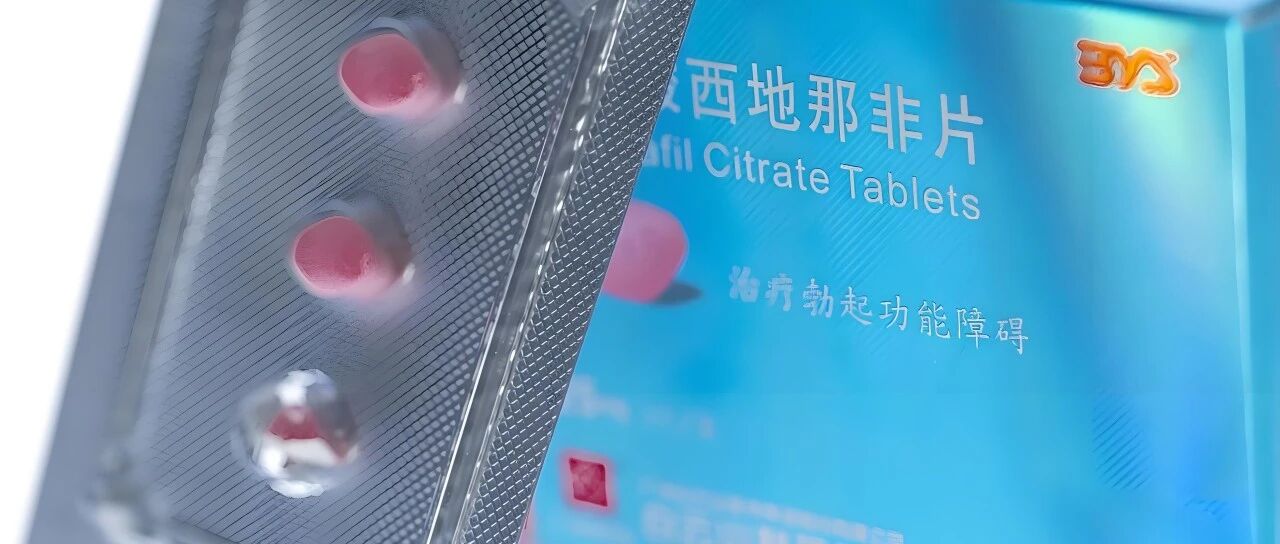
Core Viewpoint - The article discusses the decline of Baiyunshan's product "Jinge," a domestic erectile dysfunction drug, which has faced significant sales drops due to increased competition and changing consumer preferences [2][8][22]. Group 1: Product Performance - Jinge was launched after the patent expiration of Viagra in 2014, quickly gaining market share due to its lower price, selling 1.495 million tablets in its second year, a fivefold increase from its first year [6][4]. - By 2019, Jinge's sales volume reached 101 million tablets, with revenue soaring to 1.29 billion yuan, achieving a peak market share of 55% in the domestic ED drug market [7][6]. - However, in 2024, Jinge's sales dropped to 87.85 million tablets, a 13% decline, with revenue falling to 1.034 billion yuan, a nearly 20% decrease [8][9]. Group 2: Market Dynamics - The market for erectile dysfunction drugs is expanding, with the ED rate among Chinese men rising to 43.4% in 2025, up from 38.17% in 2024, indicating sustained demand for such products [14][15]. - The decline in Jinge's sales is attributed to two main pressures: intense price competition and the product's inability to meet evolving consumer needs [16][22]. Group 3: Competitive Pressures - The entry of nearly 50 competitors producing similar ED drugs has intensified price competition, eroding Jinge's initial cost advantage [18][19]. - A significant factor was the 2020 national centralized procurement policy, which allowed competitors to offer much lower prices, leading to Jinge losing access to public hospital sales channels [19][20]. Group 4: Product Innovation - Jinge is a short-acting drug with effects lasting 4-6 hours, while competitors are offering long-acting alternatives that last up to 36 hours, appealing more to consumers [20][22]. - The lack of innovation in Jinge's formulation has resulted in a decline in consumer interest, as newer products with better user experiences have entered the market [20][23]. Group 5: Future Outlook - The future of Jinge and Baiyunshan depends on the company's ability to innovate and adapt to market changes, as reliance on low pricing and imitation has proven unsustainable [22][24].
为更能“卷”,他们偷偷吃上了治疗多动症的药
阿尔法工场研究院· 2025-05-15 03:47
Core Viewpoint - The article discusses the rising trend of using "smart drugs" in high-pressure industries like finance and technology, highlighting both the demand for these drugs and the associated risks of misuse and legal issues [1][2][3]. Group 1: Market Demand and Supply - The first domestic "smart drug" was launched in April, leading to a surge in stock prices for the producing company, Lifan Pharmaceutical, which experienced five consecutive trading limit increases [1][14]. - The global ADHD drug market is projected to reach $14.71 billion by 2025, with a compound annual growth rate of 4.11%, indicating significant market potential for similar drugs [15]. - The only officially approved "smart drug" in China, "Zhuanzhu Da," has faced supply shortages due to high demand and limited production capacity, leading to difficulties for legitimate ADHD patients in obtaining the medication [10][12]. Group 2: Misuse and Legal Issues - Many individuals, particularly young professionals and students, are resorting to illegal means to obtain "smart drugs" like Adderall and Ritalin, often through online channels or underground networks [5][6][7]. - Reports indicate that a significant portion of users are motivated by academic pressures, with some even resorting to virtual currencies for cross-border purchases [6][7]. - The misuse of these drugs can lead to severe health risks, including addiction and various psychological and physical side effects, yet the allure of enhanced focus drives many to overlook these dangers [9][17]. Group 3: Industry Response and Future Outlook - Lifan Pharmaceutical's recent approval of a generic version of "smart drugs" is seen as a response to the supply-demand imbalance in the market, potentially alleviating some of the shortages faced by patients [16][17]. - The company plans to shift packaging operations to its domestic facility to increase supply efficiency, although challenges remain in meeting the high demand [13][17]. - The overall market for "smart drugs" is expected to grow, but the actual therapeutic benefits and risks associated with misuse continue to be a concern for healthcare professionals [17][18].