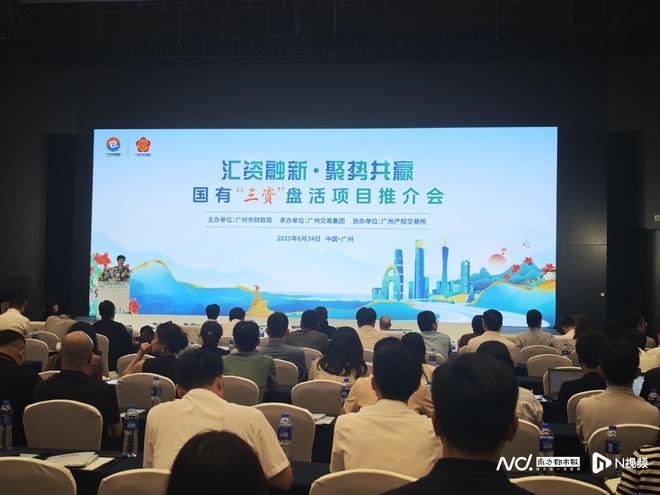
国有“三资”盘活

Search documents
财新周刊-第7期2026
2026-02-25 04:09
本⽂由第三⽅AI基于财新⽂章 https://a.caixin.com/Qg8nsMi6提炼总结⽽成,可能与原⽂真实意图存在偏差。不代表财新观点和立场。推荐点击链接阅读原⽂细致⽐对和校验 Summary of the Conference Call on the Prepared Dishes Industry Industry Overview - The prepared dishes industry is experiencing rapid growth in China, driven by the popularity of takeout services and changing consumer preferences. The industry has been developing for several years and has reached a significant scale, similar to trends seen in other countries where prepared dishes have become a substantial part of the food industry [6][7]. Key Points and Arguments - **Regulatory Developments**: Recent documents from the State Council's Food Safety Office and the National Health Commission have introduced national standards for prepared dishes, including definitions, ingredient regulations, and production processes. This is the first time such standards have been published, aiming to enhance consumer trust and industry quality [5][8]. - **Definition of Prepared Dishes**: Prepared dishes are defined as pre-packaged meals made from one or more food products, which may or may not include seasonings, and are produced through industrial processes without preservatives. This definition excludes main food items, clean vegetables, ready-to-eat foods, and dishes made in central kitchens [6][7]. - **Consumer Trust**: The industry's future hinges on consumer trust, which is influenced by the safety, nutrition, and taste of prepared dishes. Establishing trust requires continuous improvement in product quality and adherence to safety regulations throughout the production and sales processes [7][9]. - **Quality Assurance**: The national standards emphasize the prohibition of preservatives and the use of approved food additives. They also encourage the use of advanced technologies to retain nutritional value and ensure food safety during production and transportation [8][9]. - **Regulatory Compliance**: The industry must adhere to a comprehensive legal and regulatory framework to ensure quality and safety. This includes strict licensing and inspection processes for production facilities, as well as transparency in ingredient sourcing and product labeling [9][10]. - **Consumer Rights**: New regulations encourage food service providers to transparently disclose the processing methods of dishes, allowing consumers to make informed choices. This voluntary disclosure is seen as a way to build trust without imposing mandatory requirements [9][10]. Other Important Insights - **Market Dynamics**: The prepared dishes market is not a new phenomenon but has been evolving with significant consumer interest. The industry must address concerns regarding nutrition and taste to gain wider acceptance [6][7]. - **Future Prospects**: The success of the prepared dishes industry will depend on its ability to navigate regulatory challenges and consumer expectations. The establishment of clear standards and regulations is crucial for sustainable growth [9][10]. This summary captures the essential points discussed in the conference call regarding the prepared dishes industry, highlighting the importance of regulatory frameworks, consumer trust, and quality assurance in driving the industry's future.



推动国有“三资”盘活向新,广州推介首批12个优质项目
Nan Fang Du Shi Bao· 2025-06-24 12:19
Core Insights - The event "汇资融新·聚势共赢" focused on promoting the revitalization of state-owned assets in Guangzhou, featuring 12 quality projects aimed at attracting various stakeholders [1][3] Group 1: State-Owned Assets Overview - State-owned "three assets" include state resources, state assets, and state funds, covering six types of resources and five categories of assets [3] - The Guangzhou municipal government prioritizes the revitalization of state-owned assets as a key strategy for market-oriented reform and urban development [3] Group 2: Revitalization Strategies - The revitalization approach has shifted from merely activating idle properties to a systematic integration of asset resources, emphasizing innovative perspectives on asset value [3][4] - Suggestions for revitalizing state-owned assets include transforming city investment companies into industry investment companies to find new revenue growth points [4][6] Group 3: Project Highlights - The first batch of 12 projects includes commercial real estate, land resources, industrial parks, and public venues, focusing on high-growth areas such as transportation hubs and technology innovation [6] - Specific projects include the release of over 80,000 square meters of prime land in the Guangzhou South Station core area and the development of the Huangpu Yunling Technology City targeting aerospace industries [6] Group 4: Role of Guangzhou Trading Group - Guangzhou Trading Group serves as a core platform for market-oriented resource allocation, promoting a model of "comprehensive publicity, intelligent trading, and long-term empowerment" [6] - The Guangzhou Property Exchange, under the trading group, has achieved nearly 14 billion yuan in asset appreciation and fiscal savings over the past three years [7]