国潮生态圈

Search documents
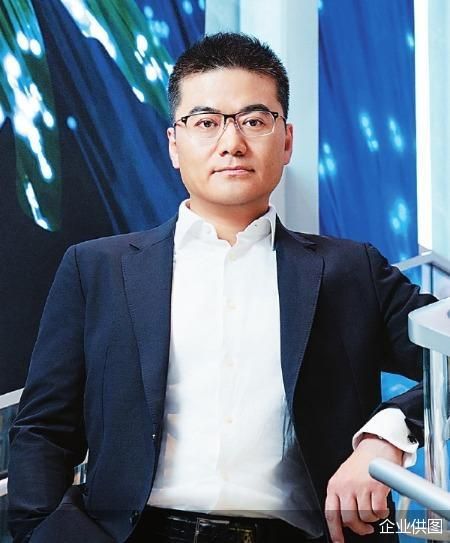
潮尚重构消费|世邦魏理仕中国区总裁李凌:时尚消费驱动生活方式全面扩容
Bei Jing Shang Bao· 2026-01-26 03:25
Core Insights - Fashion consumption is becoming a significant driver of economic growth and urban vitality, characterized by a dialectical unity of "change and permanence" [1][4] - The current fashion consumption landscape has expanded beyond traditional categories like apparel and jewelry to include lifestyle products and services such as smart wearables, automobiles, home goods, entertainment, sports, and beauty [1][4] Industry Trends - The upgrade in fashion consumption is leading to two major transformations: 1. Cross-industry integration through composite business models like "retail + dining" and "retail + exhibitions," fostering deeper connections between brands and consumers [3][5] 2. Rapid expansion of health and self-care service consumption, with new store openings in major cities like Beijing, Shanghai, Guangzhou, and Shenzhen projected to grow by 25% to 55% by the third quarter of 2025, significantly outpacing traditional retail and dining [3][5] Market Opportunities - The Chinese consumption market presents two structural growth opportunities: 1. Significant room for service consumption upgrade, with current service expenditure as a percentage of total consumption lagging behind developed economies by 10-20 percentage points [7] 2. Potential for increased spending by international tourists, with a 50% year-on-year increase in foreign visitors since the expansion of visa-free policies, indicating a growing market for inbound consumption [7] Consumer Behavior - Traditional fashion consumption was limited to categories like fashion and jewelry, but rising income levels and changing consumer demographics are driving a shift towards a more lifestyle-oriented approach [4][5] - The establishment of flagship stores serves as a barometer for fashion consumption trends, with first-tier cities like Beijing and Shanghai accounting for 55% of new flagship stores in the first half of 2025 [6]


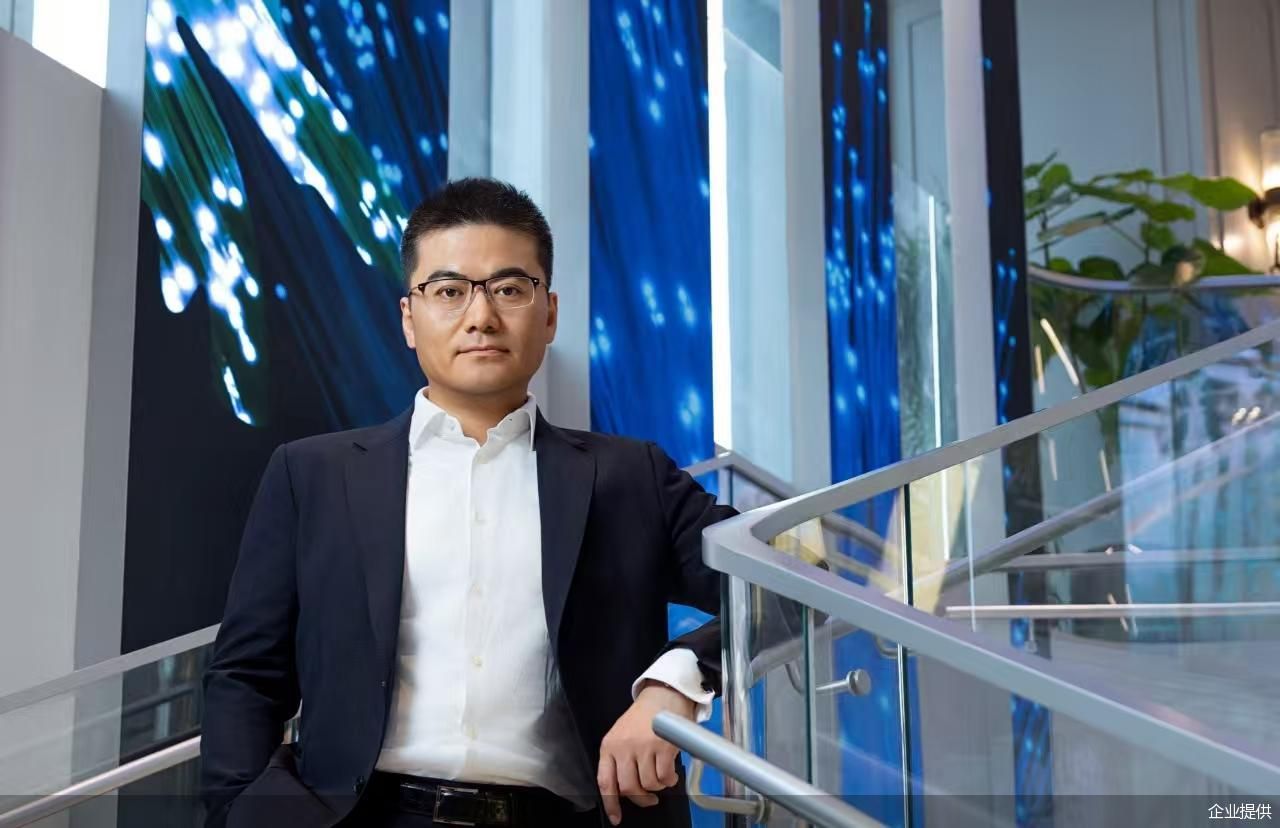
时尚消费驱动生活方式全面扩容
Bei Jing Shang Bao· 2026-01-15 12:14
Core Insights - Fashion consumption is becoming a significant driver of economic growth and urban vitality, characterized by a dialectical unity of "change and constancy" [1][2][3] - The current fashion consumption landscape has expanded beyond traditional categories like apparel and jewelry to include lifestyle products and services such as smart wearables, automobiles, home goods, entertainment, sports, and beauty [1][3][4] Industry Trends - Two major transformations in fashion consumption are emerging: 1. The integration of mixed-use formats, such as "retail + dining" and "retail + exhibitions," which deepens the connection between brands and consumers [1][4] 2. Rapid growth in health and self-care service consumption, with new store openings in major cities like Beijing, Shanghai, Guangzhou, and Shenzhen projected to increase by 25% to 55% by Q3 2025, significantly outpacing traditional retail and dining [1][4] Market Opportunities - The Chinese consumption market presents two structural opportunities: 1. Significant room for service consumption upgrade, with a 10-20 percentage point gap compared to developed economies in service expenditure [2][6] 2. Potential for increased spending by international tourists, with a 50% year-on-year growth in inbound visitors following the expansion of visa-free policies [6] Consumer Behavior - The definition of fashion consumption includes both changing trends and the enduring essence of leadership in consumer preferences, with a shift towards lifestyle-oriented consumption as income levels rise and consumer demographics evolve [3][5] - The establishment of flagship stores serves as a barometer for fashion consumption trends, with first-tier cities like Beijing and Shanghai accounting for 55% of new flagship stores in the first half of 2025 [5] City-Level Insights - Fashion consumption in China can be categorized into three tiers: 1. First tier: Beijing and Shanghai, which attract high-net-worth families and international tourists [5] 2. Second tier: Cities like Shenzhen, Chengdu, and Guangzhou, which are economic hubs with high consumer spending potential [5] 3. Third tier: Smaller cities where e-commerce and social media are driving fashion consumption among middle-income groups [5]