国际金融规则

Search documents
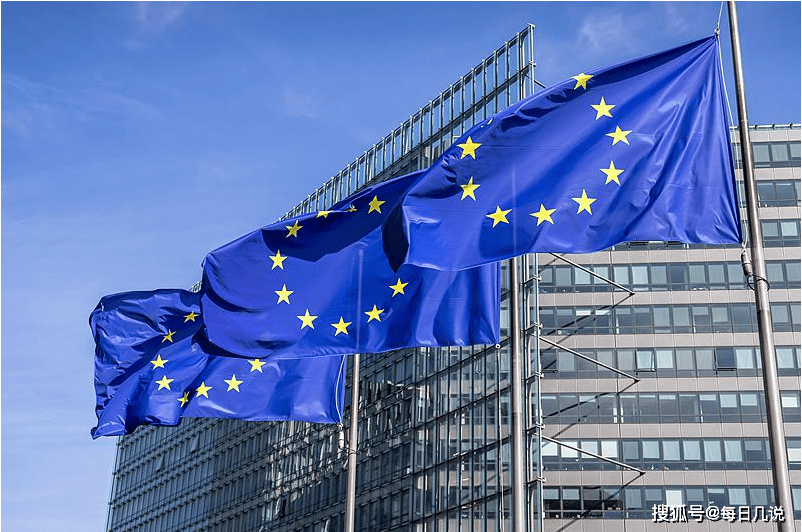
欧盟吞不下俄资产,转头薅乌克兰羊毛
Sou Hu Cai Jing· 2025-12-23 06:54
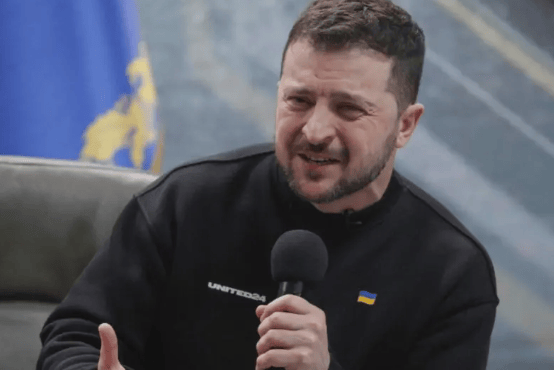
Group 1 - The core issue revolves around the EU's proposal to use approximately €210 billion of frozen Russian central bank assets as collateral to provide financing to Ukraine, aiming to alleviate budget pressures while maintaining support for Ukraine [2][3] - EU Commission President Ursula von der Leyen emphasized the necessity of this plan for Ukraine's survival and European security, expressing concerns about potential Russian countermeasures that could destabilize European financial stability [2][3] - Hungarian Prime Minister Viktor Orbán stated that Hungary and several member states oppose the plan, stressing the importance of EU neutrality and the need for close communication among member states [3][4] Group 2 - There is a growing divergence between the US and the EU regarding the use of frozen Russian assets, with the US favoring the use of these assets for its own reconstruction efforts in Ukraine, while the EU aims to keep the benefits internal [3][4] - The EU's strategy appears to be focused on binding member states' positions, avoiding legal risks, and transferring the burden of aid through the "using Russian assets for Ukraine" plan, which has faced legal and moral controversies [4][5] - The internal divisions within the EU are hindering the progress of the financing plan, as some member states have clearly opposed the initiative, highlighting the challenges of finding alternative aid routes without relying on Russian assets [5]

欧盟硬吞俄资产?中国资产警报拉响
Sou Hu Cai Jing· 2025-11-13 19:08
Group 1 - The EU has reached a consensus on utilizing frozen Russian assets to aid Ukraine, which has raised concerns about global asset security and the implications of such actions [1][3] - The EU's approach involves using €200 billion of frozen Russian central bank assets as collateral for loans to Ukraine, which is seen as a legal loophole rather than a direct confiscation [3][4] - This action may undermine the credibility of the euro and set a precedent for future asset seizures under the guise of humanitarian aid, potentially affecting international financial stability [3][4] Group 2 - The implications for China are significant, particularly regarding the safety of overseas assets, as the EU's actions could lead to similar justifications for asset seizures based on "human rights" or "security" [4][5] - The deterioration of Russia-EU relations may accelerate the de-dollarization trend in Sino-Russian trade, with an increasing proportion of trade being settled in renminbi, which could expose China to accusations of aiding Russia in evading sanctions [4][5] - The potential for increased energy price volatility due to strained Russia-EU relations could directly impact China's energy import costs, particularly in the chemical and manufacturing sectors [4][6] Group 3 - The political maneuvering within the EU reveals a lack of consensus, with figures like Ursula von der Leyen pushing aggressive policies while others, like Belgium and the European Central Bank, express reservations [5][6] - The U.S. has shown a cautious stance, supporting the EU's actions verbally but refraining from taking similar steps with frozen Russian assets, indicating a reluctance to jeopardize the dollar's dominance [5][6] - India's opposition to the EU's approach highlights concerns over the potential destruction of international financial trust, as it too has significant overseas assets at stake [5][6]