
以俄资乌

Search documents
欧盟吞不下俄资产,转头薅乌克兰羊毛
Sou Hu Cai Jing· 2025-12-23 06:54
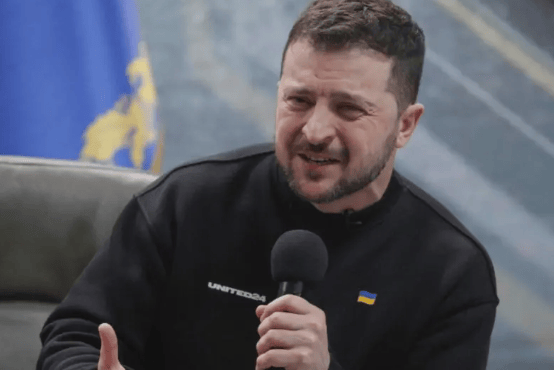
Group 1 - The core issue revolves around the EU's proposal to use approximately €210 billion of frozen Russian central bank assets as collateral to provide financing to Ukraine, aiming to alleviate budget pressures while maintaining support for Ukraine [2][3] - EU Commission President Ursula von der Leyen emphasized the necessity of this plan for Ukraine's survival and European security, expressing concerns about potential Russian countermeasures that could destabilize European financial stability [2][3] - Hungarian Prime Minister Viktor Orbán stated that Hungary and several member states oppose the plan, stressing the importance of EU neutrality and the need for close communication among member states [3][4] Group 2 - There is a growing divergence between the US and the EU regarding the use of frozen Russian assets, with the US favoring the use of these assets for its own reconstruction efforts in Ukraine, while the EU aims to keep the benefits internal [3][4] - The EU's strategy appears to be focused on binding member states' positions, avoiding legal risks, and transferring the burden of aid through the "using Russian assets for Ukraine" plan, which has faced legal and moral controversies [4][5] - The internal divisions within the EU are hindering the progress of the financing plan, as some member states have clearly opposed the initiative, highlighting the challenges of finding alternative aid routes without relying on Russian assets [5]

“不想得罪美国”,日本被爆拒绝加入欧盟“动用被冻结俄资产援乌”方案
Huan Qiu Wang· 2025-12-10 05:36
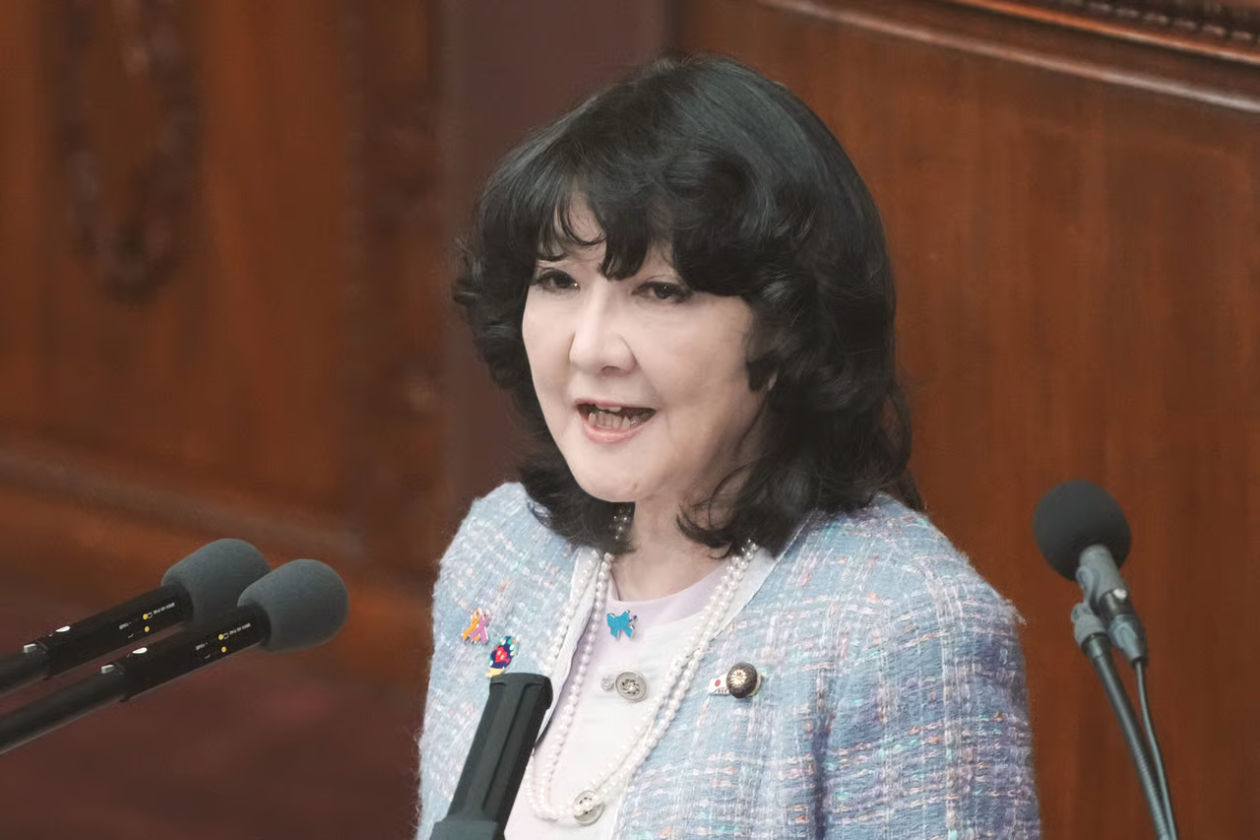
Group 1 - Japan has refused to join the EU's proposal to use frozen Russian assets to fund Ukraine, aligning its stance with the United States' opposition to the use of these assets [1][3] - The Japanese government has approximately $30 billion in frozen Russian assets within its territory, which it deems cannot be used for loans to Ukraine [1] - Japan's Finance Minister, Shunichi Suzuki, cited legal considerations as a reason for rejecting the proposal, indicating a cautious approach to the situation [1] Group 2 - The U.S. has suggested using some of the frozen Russian assets to encourage Russia to return to negotiations, rather than sending funds directly to Ukraine [3] - Since the escalation of the Ukraine crisis in February 2022, Western countries have frozen around $300 billion in Russian overseas assets, with the EU freezing approximately €200 billion of that amount [3] - Belgium has strongly opposed the "using Russian assets for Ukraine" proposal, arguing that it constitutes confiscation and violates international law, which could lead to legal disputes [3]
热点问答|英法德乌领导人伦敦会谈谈了啥
Xin Hua She· 2025-12-10 00:41
Group 1 - The core discussion during the meeting among UK, France, Germany, and Ukraine leaders focused on the US-driven peace plan for the Russia-Ukraine conflict, emphasizing the need for strong security guarantees for Ukraine [1] - Leaders agreed on the necessity for Europe to stand with Ukraine and enhance the defense capabilities of its energy infrastructure, as well as the positive progress made regarding the use of frozen Russian assets to support Ukraine's reconstruction [1] - Ukrainian President Zelensky highlighted the importance of unity between Europe and Ukraine, as well as between Europe, Ukraine, and the US, in addressing security guarantees and post-war reconstruction [1] Group 2 - Concerns were raised regarding the US peace plan, particularly about sensitive issues such as security guarantees for Ukraine and control over eastern regions, indicating a need for further discussions [2] - Analysts noted that there are significant differences in negotiation positions among the US, Ukraine, and Russia, suggesting that a purely transactional approach to the peace agreement may be unrealistic and ineffective [2] - European leaders expressed skepticism about some documents from the US, indicating a desire for a more active role in the peace process to enhance their presence in crisis resolution [2][3] Group 3 - There are ongoing divisions within the EU and between the UK and the EU regarding achieving a ceasefire, as evidenced by the failure to reach consensus on a loan scheme involving Russian assets during the EU summit in late October [3] - Experts pointed out that European leaders lack both the determination and military capabilities needed to compensate for the US withdrawal, making it increasingly difficult to achieve satisfactory outcomes in the Ukraine issue as the conflict drags on [4] - The ongoing pressure from the US on Ukraine to make concessions complicates efforts by Europe to strengthen Ukraine's negotiating position in the peace process, with existing disagreements on various issues further hindering progress [4]
乌克兰能源设施遭空袭 法英乌德会谈将评估乌克兰局势
Xin Hua She· 2025-12-07 01:45
Group 1 - Ukrainian President Zelensky reported that Russian forces launched airstrikes targeting Ukraine's energy infrastructure on the night of December 5 to 6, resulting in injuries and damage across multiple regions [1][3] - The Ukrainian Interior Minister stated that 10 regions experienced attacks on residential buildings, energy, and railway facilities, with at least 8 people injured and significant rescue operations underway involving nearly 500 rescuers and 200 police [3] - The Ukrainian Air Force confirmed that Russian forces fired 653 drones and 51 missiles during the recent attacks [3] Group 2 - French President Macron announced plans to meet with Zelensky, UK Prime Minister Starmer, and German Chancellor Merz to assess the current situation in Ukraine and discuss peace negotiations facilitated by the US [1][5] - The EU is facing divisions regarding the proposal to use frozen Russian assets to fund Ukraine, with discussions ongoing among EU leaders to reach a consensus by the upcoming European Council meeting on December 18 [5][6] - Belgium has expressed concerns that utilizing frozen Russian assets would violate international law and has requested that other EU member states share the legal costs associated with potential lawsuits from Russia [6]
欧盟对“以俄资乌”方案仍存分歧 俄罗斯警告“后果”
Xin Hua She· 2025-12-06 07:55
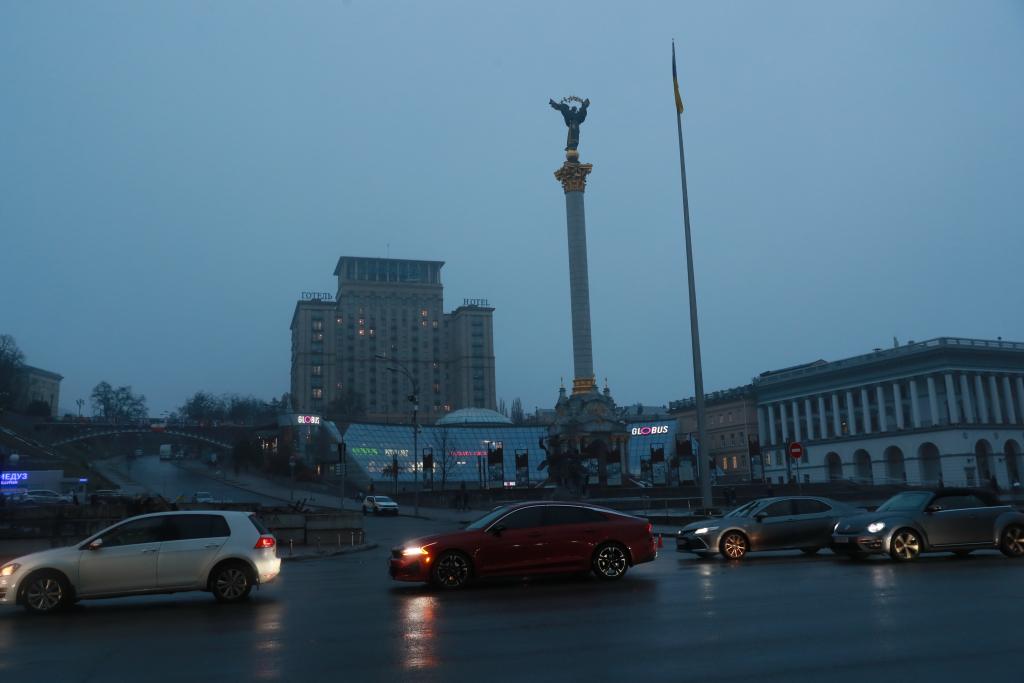
Group 1 - The European Commission President Ursula von der Leyen held a meeting with German Chancellor Merz and Belgian Prime Minister De Wever regarding the proposal to use frozen Russian assets to fund Ukraine, but no agreement was reached, and discussions will continue [1] - Von der Leyen emphasized the importance of timely discussions given the current geopolitical situation and stated that financial support for Ukraine is of "core importance" to European security [1] - Belgium expressed significant concerns about the proposal, insisting that any solution must ensure equal risk-sharing among all European countries [1][2] Group 2 - Belgium has consistently argued that using frozen Russian assets amounts to expropriation, violating international law, and could lead to a series of legal lawsuits [2] - The revised proposal by von der Leyen reduced the amount from a maximum of $186 billion to approximately $105 billion, with alternative options involving EU budget-backed loans to Ukraine [2] - Russian Ambassador to Germany, Sergey Nechayev, warned that any unauthorized actions regarding Russian sovereign assets would be considered theft and could severely damage the EU's commercial reputation [3]