地产退潮

Search documents
别再说春晚没趣了!它曾是普通人了解互联网的唯一窗口!
Sou Hu Cai Jing· 2026-02-19 05:38
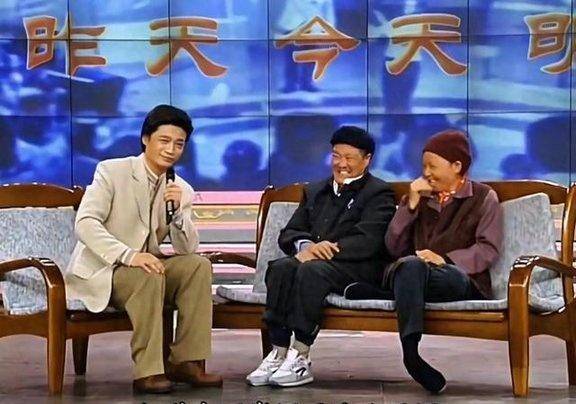
Core Viewpoint - The evolution of the Spring Festival Gala (SFG) reflects the socio-economic changes in China over the decades, transitioning from a platform for grassroots representation to a commercialized stage for corporate branding. Group 1: Historical Context - The SFG has served as a cultural mirror, capturing the essence of Chinese life and economic transformation since the 1980s, with each performance resonating with the audience's experiences [1][3]. - In the 1980s, the SFG featured simple performances that highlighted the lives of newly urbanized workers and small business owners, symbolizing the early days of economic reform [1][3]. - The 1990s saw a shift as economic challenges emerged, with performances reflecting public concerns over rising prices and unemployment, particularly after the economic resurgence following Deng Xiaoping's Southern Tour [3]. Group 2: Economic Reflections - The SFG's content evolved alongside China's economic landscape, with the 2000s showcasing rapid growth and globalization, including China's entry into the WTO, which led to increased corporate participation [3][5]. - Recent years have seen a decline in relatable content, with the SFG becoming more of a corporate showcase rather than a reflection of everyday life, as evidenced by the inclusion of companies that later faced regulatory challenges [5][7]. Group 3: Cultural Significance - The SFG has historically been a platform where audiences could see their lives represented, fostering a sense of community and shared experience, which has diminished in recent iterations [5][7]. - The essence of successful artistic works lies in their ability to intertwine reality with performance, making them relatable to the audience, a quality that has become less prevalent in recent SFGs [7][8].