地方政府隐性债务清零

Search documents
陕西韩城市被点名化债不力…
Xin Lang Cai Jing· 2025-12-08 05:55
Core Insights - The article discusses the ongoing efforts of Shaanxi Province in China to address the issue of hidden local government debt, focusing on the "zero clearance" pilot program aimed at sustainable economic development [2][8]. Group 1: Hidden Debt "Zero Clearance" Pilot - Shaanxi Province has shifted its focus from a province-wide "zero clearance" approach to targeting specific cities and counties for achieving hidden debt clearance, reflecting a more precise and operational strategy [10]. - The county-level practices, such as those in Qishan County, demonstrate significant progress with clear repayment plans and successful debt resolution through bond funding, alleviating local debt burdens and fostering economic growth [10][12]. Group 2: Debt Clearance Challenges in Han City - Han City faces significant challenges in debt clearance, with ongoing issues of unpaid debts to private enterprises, raising concerns about the effectiveness of debt resolution efforts [11][12]. - The Han City Investment Group has reportedly defaulted on nearly 10 billion yuan in payments, including substantial debts related to the pepper industry park project, leading to accusations of fraudulent agreements and fund misappropriation [12]. Group 3: Comprehensive Measures for Debt Resolution - Shaanxi Province employs a multi-faceted approach to achieve debt clearance, including debt replacement and resolution through the issuance of special local government bonds to reduce interest burdens and optimize debt structures [12][13]. - A differentiated handling mechanism for various types of debts and arrears has been established, promoting amicable negotiations for disputed debts and guiding unresolved cases through judicial channels [13]. - The province is also pushing for the market-oriented transformation of financing platform companies to prevent the accumulation of new hidden debts, which is crucial for sustainable economic development [13][5].

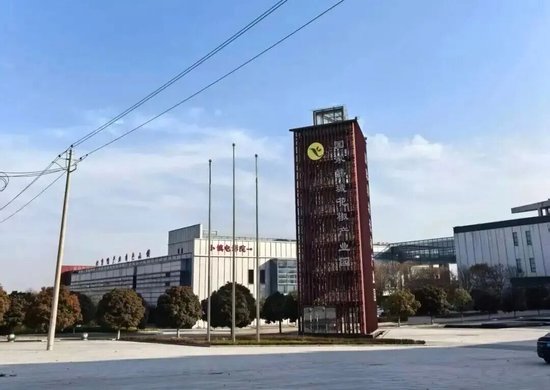
陕西隐性债务清零:精准施策,稳步推进 韩城市被点名化债不力
Zhong Guo Fa Zhan Wang· 2025-12-05 08:29
Core Viewpoint - The article discusses the efforts of Shaanxi Province in China to address the issue of hidden local government debt, highlighting the shift in strategy towards targeted debt clearance in specific counties to promote sustainable economic development [3][7]. Group 1: Debt Clearance Strategy - Shaanxi Province has transitioned from a broad "zeroing" approach to focusing on specific cities and counties to achieve hidden debt clearance, reflecting a more targeted and operational strategy [3]. - The county-level practices, such as those in Qishan County, demonstrate effective debt repayment plans and significant progress expected by mid-2025, showcasing that clear goals and proactive actions can lead to successful debt resolution [3]. Group 2: Challenges in Debt Clearance - The Han City pepper industry park faces significant challenges in debt clearance, with ongoing issues of unpaid debts to private enterprises, raising concerns about the effectiveness of debt resolution efforts [4]. - Despite the establishment of a special action plan for debt clearance in Han City, issues such as false agreements and fund misappropriation have been reported, indicating a gap between policy execution and actual outcomes [5]. Group 3: Comprehensive Measures for Debt Management - Shaanxi Province employs a multi-faceted approach to achieve debt clearance, including debt replacement and resolution through the issuance of special local government bonds to alleviate interest burdens [6]. - A classification disposal mechanism is in place to manage different types of debts, promoting amicable negotiations for disputed debts and guiding unresolved cases through judicial channels [6]. - The province is also working to separate government financing functions from financing platform companies to prevent the accumulation of new hidden debts, aiming for a market-oriented transformation [6].

时报观察丨完善机制强化协同 政府债务治理升维正当时
Zheng Quan Shi Bao· 2025-11-05 00:32
Core Insights - The establishment of the "Debt Management Department" by the Ministry of Finance signifies a dedicated approach to managing government debt, addressing the previous fragmented oversight of national and local debts [1] - China's government debt has been increasing, necessitating enhanced management practices, despite the country's debt-to-GDP ratio being lower than that of major economies and emerging markets [1] - The total government debt is projected to reach 82.1 trillion yuan by the end of 2024, with local government hidden debt at 10.5 trillion yuan, highlighting the need for improved regulatory frameworks [1] - Government debt is a crucial driver of economic development, and the Ministry of Finance aims to utilize a unified approach to manage various debt instruments effectively [1] - The establishment of the Debt Management Department indicates a commitment to ongoing risk control of local government debt, with a focus on creating a long-term regulatory mechanism [2] Summary by Sections - **Debt Management Structure** - The new department will centralize the management of various government debt instruments, enhancing policy coordination and effectiveness [1] - The previous system involved multiple departments, which is now replaced by a specialized agency [1] - **Debt Levels and Economic Context** - China's total government debt is set to reach 82.1 trillion yuan, with local hidden debt at 10.5 trillion yuan, indicating significant debt levels [1] - The government aims to leverage its relatively healthy balance sheet to stimulate effective demand through increased fiscal spending [1] - **Regulatory Improvements** - The establishment of the Debt Management Department is part of a broader initiative to create a sustainable debt management mechanism aligned with high-quality development goals [2] - The department will focus on reducing hidden local government debt, reforming financing platforms, and enhancing monitoring systems for local debt [2]
城投“退平台”风暴来袭,万亿城投债何去何从?
经济观察报· 2025-10-25 02:59
Core Viewpoint - Since 2025, an increasing number of government financing platforms have announced their separation from government credit, indicating a significant shift in the operational landscape of local government financing platforms [2][3][4]. Group 1: Policy Changes and Timeline - The "150 Document" issued in August 2025 mandates that local government financing platforms must be cleared by June 2027, aiming to eliminate hidden local government debt [3][4]. - As of October 2025, over 15 financing platforms have announced their exit from government financing, with a total of 114 platforms officially disclosing their exit in 2025 alone [3][5]. - The exit trend is particularly pronounced in provinces like Shandong, Jiangsu, and Zhejiang, which have seen the highest numbers of platforms withdrawing [5][6]. Group 2: Market Transition and Challenges - The transition from government-backed financing to market-oriented operations is essential for financing platforms to enhance their self-sustaining capabilities [14][15]. - The restructuring process is driven by both policy enforcement and the platforms' internal needs to adapt to a market-driven environment [5][13]. - Financing platforms are encouraged to focus on market-oriented business models, moving away from traditional infrastructure projects to sectors like renewable energy and urban services [15][16]. Group 3: Financial Implications and Debt Management - The exit from government financing does not equate to a complete severance of ties with local governments; rather, it necessitates a clear delineation of responsibilities and collaboration [9][11]. - Financial institutions are advised to manage existing debts carefully, ensuring that platforms can meet their obligations without relying on government support [7][11]. - The successful issuance of bonds by entities like Chongqing Urban Investment post-exit indicates a potential recovery of market confidence in these platforms [9][10]. Group 4: Future Directions and Strategic Focus - Financing platforms must enhance their operational efficiency and focus on core business areas to ensure stable cash flows [15][16]. - There is a need for platforms to actively engage in market opportunities that align with local economic development, such as smart city initiatives and industrial park operations [16]. - The transformation of financing platforms is not merely a regulatory requirement but a strategic necessity to adapt to changing economic conditions and stakeholder expectations [12][14].