地空联运

Search documents
视频丨低空物流城市乡村“两端发力” 解决传统物流难题
Yang Shi Xin Wen Ke Hu Duan· 2025-12-03 01:12
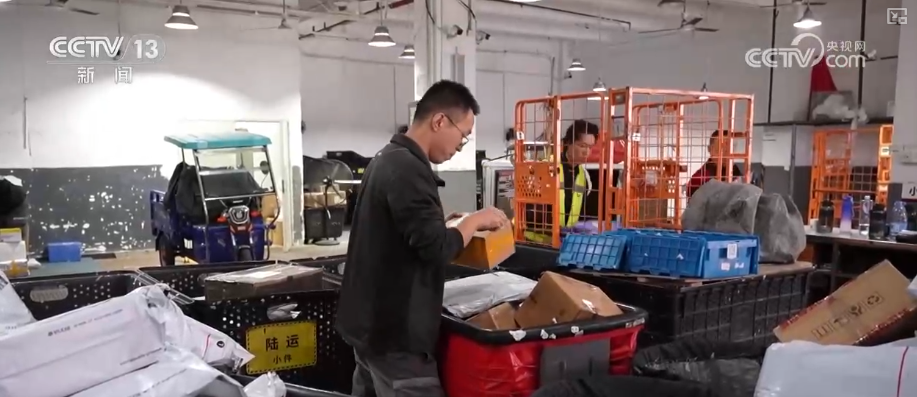
Group 1 - The core point of the article highlights that China's express delivery business volume has exceeded 180 billion packages as of November 30, marking a historical high, driven by the expansion of service networks and the application of smart logistics technologies [1][2]. - The successful delivery of the 180 billionth package in Shenzhen demonstrates the full automation of the delivery process, showcasing advancements in smart logistics and the normalization of low-altitude logistics operations in major urban areas [2][4]. - The implementation of drone delivery services is gaining traction, with consumers actively choosing this option for its efficiency, as evidenced by the experiences of local residents who utilize drone services for both personal and business needs [6][12]. Group 2 - In rural areas, drones are not only enhancing delivery speed but also providing essential services, such as delivering meals to elderly residents, thereby contributing to rural revitalization efforts [17][19]. - The establishment of standardized drone takeoff and landing points in rural regions has significantly improved the transportation of agricultural products, allowing farmers to efficiently reach markets [27][29]. - The expansion of drone delivery routes in Zhejiang province, with over 60 operational lines, indicates a growing trend towards integrating drone logistics into various sectors, including medical delivery and emergency services [29][30]. Group 3 - The development of a dual approach in drone logistics is evident, with urban areas focusing on high-efficiency delivery and rural regions addressing logistical challenges posed by geography [30][34]. - The current landscape shows that over 300 drones are in operation across the country, having delivered more than 3 million packages, reflecting the increasing adoption of drone technology in logistics [32][34]. - Experts suggest that the future of drone logistics will involve a more integrated "ground-air" transportation system, requiring advancements in regulations, technology, and public acceptance to fully realize its potential [38][40].

从民生服务到产业赋能多视角观察1800亿件快递背后“含金量”“含智量”
Yang Shi Wang· 2025-12-02 03:06
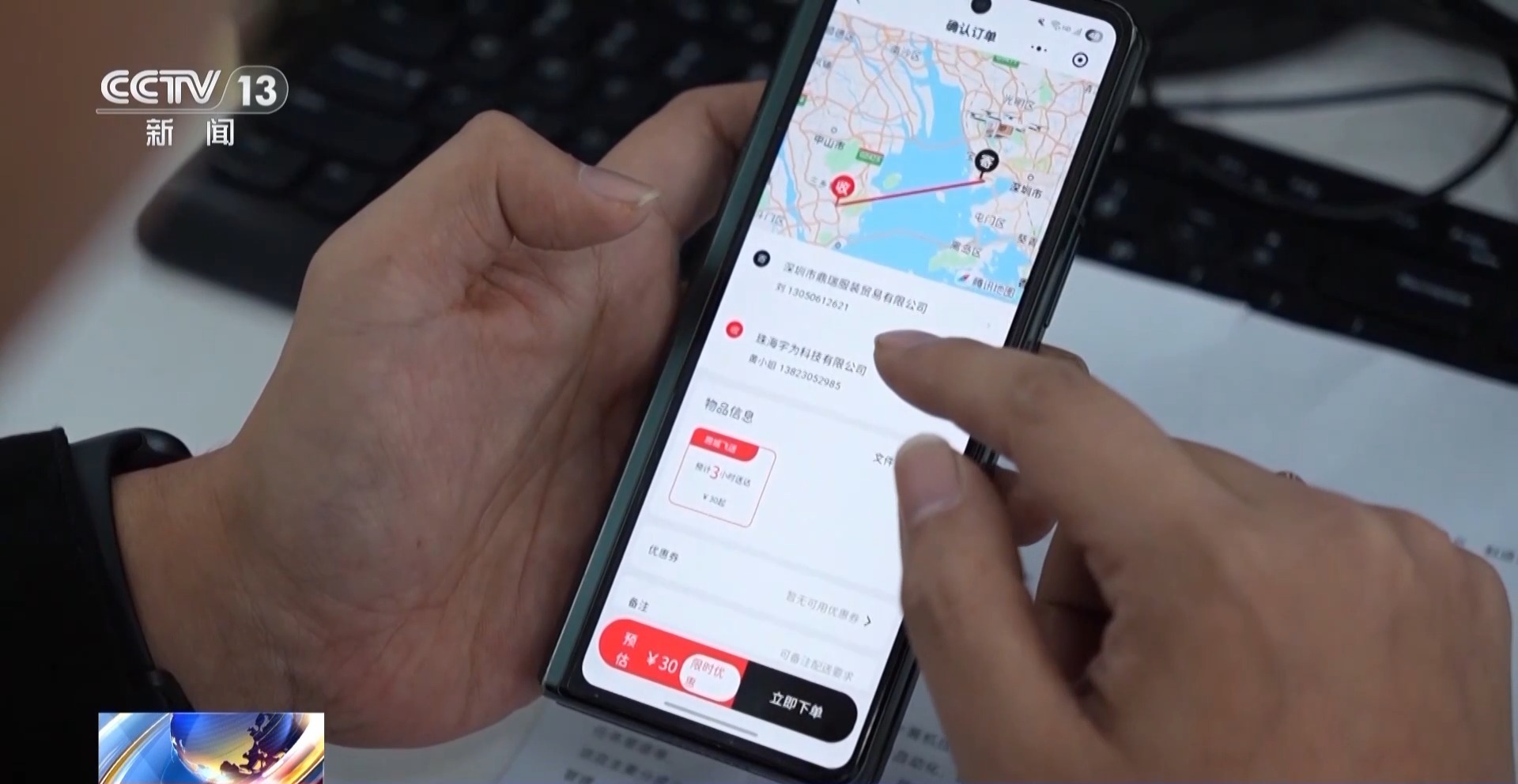
Core Viewpoint - The successful delivery of the 1.8 billionth express package in Shenzhen marks a significant milestone in the automation of logistics, showcasing the capabilities of smart technology in China's express delivery sector and the normalization of low-altitude logistics operations in large urban areas [1] Group 1: Urban Logistics Development - Shenzhen has launched multiple drone routes connecting the Guangdong-Hong Kong-Macao Greater Bay Area, enhancing regional connectivity [1] - The integration of drones in urban logistics includes not only express delivery but also applications in food delivery and medical logistics, with a reported 46.9% year-on-year increase in civilian drone production in Shenzhen by the third quarter of 2025 [6][19] - Consumers in Shenzhen can choose drone delivery services, indicating a growing acceptance and demand for this technology in urban settings [5] Group 2: Rural Logistics and Community Impact - In rural areas, drones serve as a vital link, providing essential services such as meal delivery to elderly residents and transporting fresh produce to markets, thus contributing to rural revitalization [7][9] - The establishment of standardized drone takeoff and landing points in remote villages has significantly improved the efficiency of agricultural product transportation, leading to increased online orders [15] - Zhejiang province has opened over 60 drone delivery routes, with plans to expand applications in medical delivery, emergency rescue, and agricultural transport [17] Group 3: Challenges and Future Directions - The development of a comprehensive "ground-air combined transport" system is essential for the deep integration of drone logistics, facing challenges such as endurance, airspace management, and regulatory frameworks [17][25] - Experts suggest that future logistics networks will require collaboration between drones and autonomous vehicles to create a multi-modal delivery system, enhancing service personalization and efficiency [24][25] - The current drone delivery model requires consumers to wait at designated locations, indicating a need for further development in last-mile delivery solutions [25]